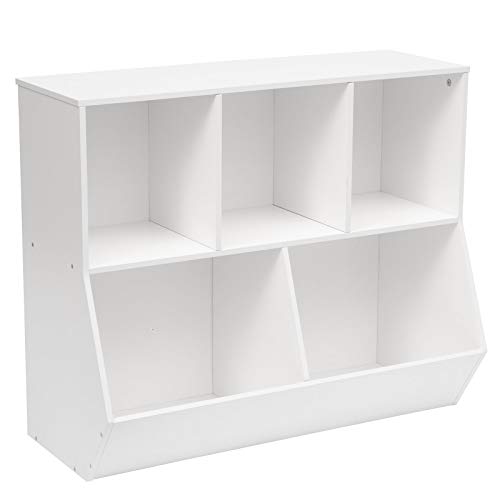
Children's Bookcase and Toy Storage: The Complete Buying Guide
Create a tidy, inspiring, and safe space for your child with the right bookcase and toy storage solution. Learn what to look for, compare options, and make a confident decision.
Explore Buying CriteriaWhy this guide matters: A well-chosen children's bookcase and toy storage system does more than keep the floor clear. It encourages reading habits, teaches organizational skills, reduces clutter-related stress, and helps create a calm environment for play and rest. This guide walks you through every decision point so you can choose a solution that fits your child's age, your room layout, and your family's daily routine.
Why a Dedicated Bookcase and Toy Storage Matters
Children thrive in environments that are predictable and accessible. When books and toys have a defined home, children learn where to find their favorite items and where to return them. This simple structure supports independence, reduces frustration, and makes cleanup a shared activity rather than a daily battle. A children's bookcase paired with thoughtful toy storage also protects books from being crushed underfoot and keeps small parts contained, which is especially important in households with younger siblings or pets.
Beyond organization, the right storage furniture contributes to room safety. Low, stable shelving prevents climbing accidents, while open bins and forward-facing book displays encourage children to choose items independently. If you are simultaneously setting up other areas of the room, our guide to changing tables with storage can help you coordinate furniture and maintain a cohesive layout.
Key Buying Criteria for Children's Bookcases and Toy Storage
Before comparing specific models, anchor your decision around these core criteria. They will help you filter options quickly and avoid purchases that look appealing but underperform in daily use.
Safety and Stability
Look for anti-tip hardware, rounded edges, and non-toxic finishes. Furniture should meet relevant safety standards and be stable when fully loaded. Wall-anchoring is essential for any bookcase taller than 30 inches.
Age-Appropriate Height
For toddlers, shelving should sit low enough that books and bins are reachable without climbing. For older children, a mid-height bookcase with adjustable shelves can grow with their collection.
Material Durability
Solid wood, high-grade engineered wood, and reinforced joinery offer the best longevity. Consider moisture-resistant finishes if the furniture will be near windows or in humid climates.
Storage Versatility
Combination units with open shelves, closed cubbies, and removable bins offer flexibility. Forward-facing book displays encourage reading, while deep bins handle bulky toys.
Footprint and Layout
Measure your available wall space and door clearances. Corner units maximize tight spaces, while low horizontal bookcases work well under windows or alongside a children's desk with storage.
Style and Finish
Choose finishes that resist fingerprints and clean easily. Neutral tones offer longevity, while playful colors or themed accents can make the storage feel like part of the play experience.
Types of Children's Bookcase and Toy Storage
There is no single best configuration. The right choice depends on the room, the child's age, and the volume of books and toys you need to accommodate. Below is a comparison of the most common configurations to help you narrow your options.
| Type | Best For | Key Advantages | Considerations |
|---|---|---|---|
| Low Forward-Facing Bookcase | Toddlers and early readers | Encourages independent book selection; compact footprint | Limited storage capacity; best paired with separate toy bins |
| Cube Organizer with Bins | Multi-age shared rooms | Modular and versatile; easy to label and sort | Bins can wear over time; requires regular sorting |
| Tall Bookcase with Wall Anchor | Older children with growing collections | Maximum vertical storage; adjustable shelves | Must be anchored; upper shelves require adult access |
| Corner Storage Unit | Small bedrooms and playrooms | Uses otherwise dead space; often combines shelves and bins | Limited configurations; measure corner angles carefully |
| Combination Bookcase and Toy Organizer | Families wanting a single cohesive unit | Integrated design; reduces furniture count | May be heavier; less flexible if needs change |
If your child's room also includes a dedicated activity area, consider how the storage integrates with other furniture. A children's activity table with storage can complement a bookcase by keeping art supplies and small toys contained in the same zone. For rooms with a desk setup, a children's desk with hutch adds vertical storage without consuming additional floor space.
Material and Build Quality: What to Look For
Children's furniture endures heavy use. Books are stacked, bins are pulled, and shelves occasionally become impromptu step stools. Prioritize construction quality over decorative details. Solid wood and high-grade engineered wood with reinforced joinery offer the best durability. Look for dovetail or dowel joints rather than staples, and check that shelf supports are rated for the weight you plan to store.
Finish quality matters as well. Water-based, low-VOC finishes are preferable for indoor air quality. Edges should be rounded and smooth, and any painted surfaces should be free of chipping or peeling. If the bookcase will sit near a changing table dresser or other shared furniture, choose a finish that coordinates and resists everyday wear.
Safety Checklist Before You Buy
Safety should never be an afterthought. Use this checklist to evaluate any bookcase or toy storage unit before bringing it into your home:
Anti-Tip Hardware Included
The unit should ship with wall-anchoring brackets. If it does not, plan to purchase a compatible anchor kit separately.
Stable Base and Weight Distribution
A wide base and even weight distribution reduce tipping risk. Avoid top-heavy designs, especially in rooms where children play actively.
Rounded Corners and Smooth Edges
Inspect all exposed edges. Rounded corners and sanded surfaces reduce the risk of cuts and bruises during play.
Non-Toxic, Low-VOC Finishes
Choose finishes that are safe for indoor use and free from harsh odors. Allow adequate ventilation after assembly.
No Small Detachable Parts
Check that handles, knobs, and decorative elements are securely attached and not small enough to pose a choking hazard for younger siblings.
Age-Appropriate Design
For children under three, prioritize low units with soft-close or open bins. Taller shelving should be reserved for supervised areas or anchored securely.
Organization Strategies That Actually Work
Even the best bookcase becomes chaotic without a simple system. The most effective approach is to organize by frequency of use and size of item. Place favorite books and toys at the child's eye level, and rotate seasonal or less-used items to higher shelves or closed bins. Label bins with pictures for pre-readers and with words for early readers. This dual approach supports language development and independent cleanup.
In shared rooms, assign each child a dedicated shelf or bin color. This reduces disputes and makes cleanup faster. If the room also serves as a study area, coordinate storage with a children's desk with chair so that school supplies and books share a logical zone. For families who prefer a cohesive look, a child's table with storage can double as an activity surface and a hiding place for art materials.
Matching Storage to Your Room Layout
Before purchasing, sketch your room and mark doors, windows, outlets, and heating vents. A low bookcase can sit beneath a window without blocking light, while a tall unit works best on a solid interior wall. In small rooms, corner units and vertical storage maximize every square foot. If the room also includes a sleeping area, consider how the bookcase relates to the crib or bed. Our guide to changing table ideas for small spaces offers additional strategies for compact rooms that need to serve multiple functions.
For rooms that double as playrooms, ensure there is clear floor space for movement. Wall-mounted or low-profile storage keeps the center of the room open. If you are also furnishing a seating area, a children's wooden rocking chair can create a cozy reading corner beside the bookcase.
Maintenance Tips for Long-Lasting Storage
Regular maintenance extends the life of children's furniture and keeps it safe. Tighten screws and anchors every few months, especially in households with active children. Wipe surfaces with a damp cloth and mild soap, avoiding abrasive cleaners that can dull finishes. Inspect bins and shelves for cracks or loose edges, and replace damaged components promptly. If the bookcase is near a changing table with drawers or other frequently used furniture, check that items are not being pulled or leaned on in ways that stress the joints.
Ready to Organize Your Child's Space?
Explore our recommended children's bookcases and toy storage solutions. Compare features, check availability, and find the right fit for your home.
View Recommended ProductsFrequently Asked Questions
What is the ideal height for a toddler's bookcase?
For toddlers, the top shelf should be within comfortable reach—typically no higher than 30 inches from the floor. Forward-facing displays at 12 to 24 inches encourage independent selection. Any unit taller than 30 inches should be anchored to the wall.
How do I prevent a bookcase from tipping over?
Always use the anti-tip hardware that comes with the unit. If none is included, purchase a wall-anchoring kit rated for the furniture's weight. Anchor into a stud or use appropriate drywall anchors, and never place heavy items on the top shelf of an unanchored unit.
Should I choose open shelves or closed bins for toy storage?
Both have merits. Open shelves and forward-facing displays encourage book access and make cleanup intuitive. Closed bins hide clutter and contain small parts. A combination unit with both options offers the most flexibility as your child grows.
What materials are best for children's bookcases?
Solid wood and high-grade engineered wood with reinforced joinery offer the best durability. Look for low-VOC, water-based finishes and rounded edges. Avoid particleboard units with stapled joints, which tend to loosen over time.
How can I make toy storage more appealing to my child?
Use picture labels for pre-readers, assign bin colors, and keep favorite items at eye level. Involve your child in organizing and rotating toys. A reading corner with a children's wooden rocking chair can make the storage area feel like a destination rather than a chore.