Cherry Wood Crib with Changing Table: The Complete Nursery Buying Guide
A cherry wood crib with changing table combines two nursery essentials into one elegant, space-saving piece. In this guide, you will learn how these combo units work, what to look for in wood quality and safety features, and how to choose the right model for your home and parenting style.
Why Parents Choose a Cherry Wood Crib with Changing Table
If you have been researching nursery furniture, you already know that a crib and a changing table are two of the most important purchases for a new baby. A combined unit brings them together in a single footprint, which is especially valuable in smaller rooms or apartments. Cherry wood adds a warm, reddish-brown tone that many families find timeless, and it tends to develop a richer patina over the years.
This page is written for parents who are past the initial browsing stage. You know you want a crib-and-changer combo, and now you need clear, trustworthy information before you commit. Below we break down wood grades, safety standards, layout considerations, and the practical details that separate a well-built unit from a mediocre one.
What Exactly Is a Cherry Wood Crib with Changing Table?
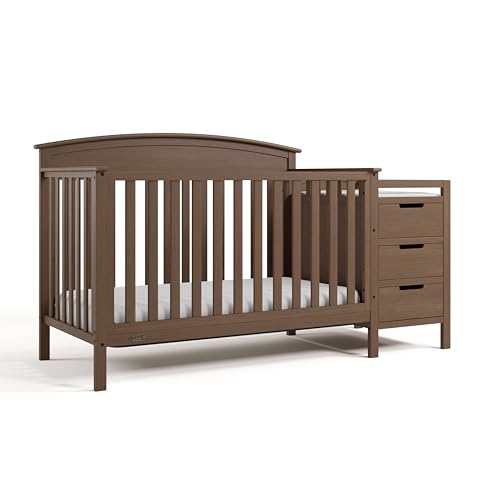
A cherry wood crib with changing table is a convertible nursery furniture piece that pairs a full-size crib with an attached or adjacent changing surface. Most models fall into two categories:
- Attached combo units: The changer is built directly onto the side of the crib, often with a shared frame and matching cherry wood finish. These are common in changing table crib combos designed for compact nurseries.
- Convertible crib-and-changer sets: The crib converts into a toddler bed or daybed later, while the changer remains a separate but matching piece. Many of these are marketed as changing table and changing pad bundles.
Both styles usually include a removable changing tray or a dedicated changing pad area. The key difference is footprint and long-term flexibility. Attached units save space but may be outgrown sooner; convertible sets last longer but take up more room.
Understanding Cherry Wood Quality and Finish
Not all cherry wood is equal. The term can describe solid cherry hardwood, cherry veneer over engineered wood, or a stained finish that imitates cherry color. Here is how to tell them apart:
- Solid cherry hardwood: The top-tier option. Dense, durable, and naturally resistant to warping. Solid cherry develops a deeper color over time and is often found in premium and luxury tier furniture.
- Cherry veneer: A thin layer of real cherry over plywood or MDF. It looks similar and is more stable in humid climates, but the edges require careful inspection. This is common in mid-range and mid-tier models.
- Cherry-stained wood: A less costly wood stained to mimic cherry. It can look attractive but will not develop the same patina. These are typically entry-level and starter tier pieces.
When evaluating finish, look for non-toxic, low-VOC stains and sealed edges. A well-finished cherry wood crib with changing table should feel smooth to the touch, with no exposed screws or rough joints near the baby's reach.
Safety Standards You Must Verify
Safety is non-negotiable for any crib. Before buying a cherry wood crib with changing table, confirm the following:
- Crib safety certification: In the United States, look for CPSC and ASTM F1169 compliance. In the EU, check for EN 716. These standards cover slat spacing, mattress support, and hardware integrity.
- Changing surface safety: The changing area should have a raised edge or a restraint strap. If the unit uses a changing pad for newborn use, ensure it fits snugly with no gaps.
- Stability and tip-over resistance: Attached changers add weight and leverage. Check that the unit includes anti-tip straps or wall-anchoring hardware, especially for taller models.
- Non-toxic materials: Verify that paints, stains, and glues are free from lead and harmful VOCs, particularly on surfaces the baby may mouth or touch.
Also check for recalls before purchasing any specific model. A reputable retailer or manufacturer will list compliance information clearly.
Space Planning: Does a Combo Unit Fit Your Nursery?
One of the main reasons parents choose a cherry wood crib with changing table is space efficiency. However, combo units still require careful measurement. Consider these points:
- Footprint: Measure your available wall space and account for clearance on all sides. You need room to lower the crib rail and to stand safely at the changing station.
- Door and hallway access: Combo units are heavy and wide. Confirm they can pass through doorways and stairwells during delivery.
- Small-space alternatives: If your room is very tight, explore changing table ideas for small spaces or a changing table that attaches to crib without a full combo footprint.
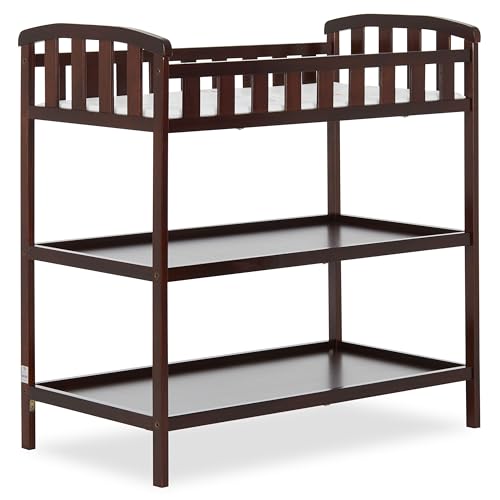
For families who prefer a dresser-based setup instead, a changing table dresser or a changing table to go on top of dresser can be a flexible alternative that still pairs well with cherry wood cribs.
Key Features to Evaluate Before You Buy
Beyond wood and safety, the day-to-day usability of a cherry wood crib with changing table depends on several design details:
- Storage: Models with drawers or shelves keep diapers, wipes, and clothing within reach. Look at changing table with drawers and shelves configurations if organization matters to you.
- Changing surface depth: A deeper tray feels more secure but takes more space. Standard pads fit most units, but confirm the dimensions before buying a changing pad that attaches to dresser style if you plan to convert later.
- Convertibility: Many cribs convert to toddler beds. Check whether the changer can be removed or repurposed once the child outgrows diapering.
- Assembly and hardware: Solid wood units are heavier and may require two people. Look for clearly labeled hardware and pre-drilled holes.
- Finish durability: Cherry wood scratches more visibly than painted finishes. A protective topcoat helps, especially around the changing area.
Comparing Tiers: Entry-Level to Luxury
Cherry wood crib with changing table options span a wide range of quality tiers. Use this comparison to set expectations relative to your priorities.
| Tier | Typical Materials | Best For |
|---|---|---|
| Entry-level / starter tier | Cherry-stained engineered wood, basic hardware | Short-term use, tight spaces, first-time parents testing a combo layout |
| Mid-range / balanced tier | Cherry veneer over sturdy core, reinforced joints | Families wanting a long-lasting look without solid hardwood weight |
| Premium / high-end tier | Solid cherry hardwood, non-toxic finish, convertible design | Long-term nursery investment, heirloom potential, frequent daily use |
| Luxury / flagship tier | Select-grade solid cherry, hand-finished details, premium hardware | Design-focused nurseries, families planning multiple children |
Mid-range models often offer a smoother rail mechanism and better stability than entry-level units, while premium and luxury tiers focus on wood grade, finish quality, and convertibility.
Caring for Your Cherry Wood Crib and Changing Table
Cherry wood ages beautifully but needs basic care to stay in good condition:
- Dust with a soft, dry cloth weekly. Avoid abrasive cleaners that can dull the finish.
- Wipe spills immediately, especially around the changing area, to prevent moisture damage.
- Keep the unit out of direct sunlight if possible; UV exposure can cause uneven color changes in cherry wood.
- Check hardware and anchoring straps every few months, particularly if the unit is used daily.
- Use a fitted changing pads cover or a changing pad pad liner to protect the surface from diaper cream and moisture.
Who Should Buy a Cherry Wood Crib with Changing Table?
This type of furniture works well for:
- Small to medium nurseries where consolidating furniture matters.
- Parents who value warm wood tones and want a cohesive, traditional or transitional nursery look.
- Families planning a long-term nursery setup who will use the crib through the toddler years.
It may be less ideal for very tight rooms where even combo units feel bulky, or for parents who prefer separate pieces they can rearrange later. In those cases, consider a standalone changing table with storage or a changing table with drawers paired with a standard crib.
Frequently Asked Questions
Is a cherry wood crib with changing table safe for newborns?
Yes, provided the crib meets current safety standards (CPSC/ASTM in the US, EN 716 in the EU) and the changing surface includes a restraint or raised edges. Always use a properly fitted changing table newborn pad and never leave a baby unattended on the changer.
Can I use the changing table after my baby outgrows diapers?
Many combo units have a removable changing tray. Once removed, the surface can serve as a shelf or storage area. Some convertible models allow the crib to become a toddler bed while the changer is repurposed.
How do I know if the cherry wood is solid or veneer?
Check the product specifications and look at edges for a consistent grain pattern. Solid cherry will show end grain at joints; veneer will show a thin layer over a different core material. Both can be durable, but solid cherry is generally a longer-term investment.
Do I need a separate changing pad?
Most combo units include or recommend a standard contoured pad. If not, choose a changing pad to put on top of dresser or a fitted pad that matches the tray dimensions. Always confirm the pad fits without gaps.
What if my nursery is very small?
Measure carefully and consider a crib-and-changer combo with a narrow profile. Alternatively, explore changing table ideas for small spaces or a changing table that attaches to crib without a large footprint.
Ready to Compare Cherry Wood Crib and Changing Table Options?
Now that you understand the materials, safety standards, and layout considerations, you can evaluate specific models with confidence. Browse our recommended picks below to compare features and find the right fit for your nursery.
Compare Features