Changing Table Crib Combo: The Complete Guide
Everything you need to know about space-saving changing table crib combos — designs, safety, setup, and how to choose the right one for your nursery.
START EXPLORINGWhy consider a changing table crib combo? For parents working with limited nursery space, a changing table crib combo offers a practical two-in-one solution. This guide walks you through everything you need to know — from design types and safety considerations to setup tips and long-term value — so you can make an informed decision with confidence.
What Is a Changing Table Crib Combo?
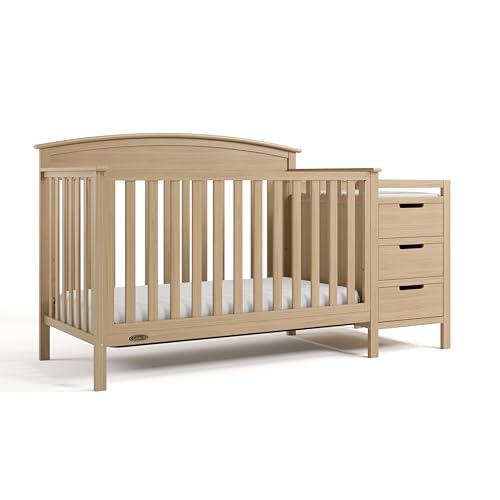
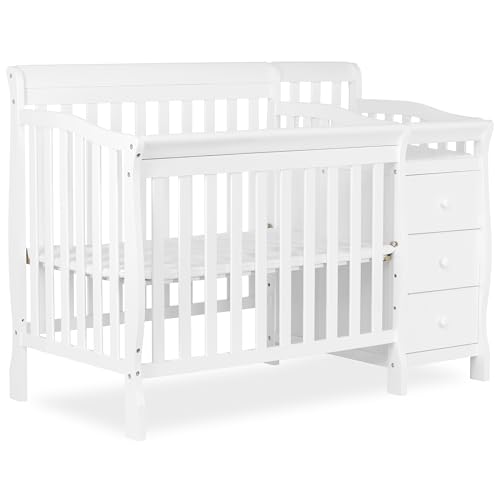
A changing table crib combo is a nursery furniture piece that integrates a crib with an attached or removable changing station. Instead of purchasing two separate items — a changing table and a crib — parents get a single unit that serves both functions. These combos are especially popular in smaller nurseries, apartments, and multi-purpose rooms where floor space is at a premium.
Most combos fall into two broad categories: units where the changing area is built directly onto the crib frame (often a removable top section), and convertible designs where a separate changing table attaches to the side of the crib. Understanding these distinctions is key to choosing the right fit for your room layout and daily routine.
Beyond space savings, these combos can simplify your nursery setup. Everything you need for diaper changes and sleep is within arm's reach, which matters during those middle-of-the-night changes when efficiency and safety are paramount. For parents who value a streamlined nursery, a combo unit often becomes the centerpiece of the room.
Types of Changing Table Crib Combos
Not all combos are built the same. The right choice depends on your nursery dimensions, your long-term plans, and how you intend to use the furniture as your baby grows.
Attached Changing Station Combo
In this design, the changing area is integrated into the crib structure — typically as a removable top section that sits over one end of the crib. Once your baby outgrows the changing station, the top comes off and the crib remains a standalone sleep space. These are ideal for entry-level and mid-range nursery setups where simplicity and a compact footprint are priorities.
Side-Attached Changing Table Combo
Here, a separate changing table unit attaches to the side of the crib. This design often provides more storage — drawers, shelves, or both — and can sometimes be detached and used independently later. If you're considering a changing table with drawers and shelves, a side-attached combo gives you that functionality without occupying a separate wall.
Convertible Crib with Changing Top
Convertible cribs are designed to transition from crib to toddler bed and sometimes to a daybed or full-size bed. When paired with a changing top, these become long-term investments. The changing section is typically a removable topper that converts the crib into a temporary changing station. This is the most future-proof option and suits parents planning for multiple stages of childhood.
Corner and L-Shaped Combos
For unusually shaped rooms, corner combos maximize every inch. These designs place the crib and changing area at an angle, freeing up central floor space. They're less common but can be a smart fit for attic nurseries or rooms with awkward window and door placements. If you're exploring small-space solutions, our guide on changing table ideas for small spaces offers additional layout inspiration.
Key Features to Evaluate Before You Buy
When comparing changing table crib combos, focus on the features that affect safety, durability, and daily usability. These are the factors that separate a well-designed unit from one that frustrates you within weeks.
Safety Rails and Barrier Height
The changing surface must have raised sides or safety rails on all four sides (or at least three, with the fourth against a wall or crib side). A depth of at least two inches is a common benchmark. Never rely on a flat surface without a barrier — babies roll unexpectedly, even before they can crawl.
Sturdy Construction and Materials
Look for solid wood or high-grade engineered wood with reinforced joinery. Avoid units with thin particle board or wobbly legs. The crib portion should meet current safety standards, and the changing attachment should feel solid when pressure is applied. Heavy-duty hardware and rust-proof finishes are signs of durable construction.
Storage and Accessibility
Drawers, open shelves, and side pockets keep diapers, wipes, and creams within reach. A changing table with storage is especially valuable in a combo because you won't have a separate dresser nearby. Consider whether the storage is accessible while standing at the changing station — drawers that open toward the crib can be awkward.
Convertibility and Longevity
If you plan to use the crib for years, prioritize a convertible design. The changing top should be easily removable without tools, and the crib should function normally once removed. Check whether the manufacturer offers conversion kits for toddler beds or full-size beds — these extend the furniture's lifespan significantly.
Assembly and Footprint
Measure your nursery carefully before ordering. Combos are wider than standard cribs, and you need clearance for the changing station, drawers, and your own movement. Assembly complexity varies; some units require two people and a few hours. Read reviews for assembly feedback before committing.
Safety Considerations for Changing Table Crib Combos
Safety is non-negotiable when it comes to infant furniture. A combo unit introduces a few specific considerations beyond those of a standalone crib or changing table.
Stability and Anchoring
Always anchor the crib to the wall using the included anti-tip kit. Combos can be heavier and taller than standard cribs, making anchoring even more important. Never place the changing station near blind cords, heaters, or windows that open easily.
Changing Surface Depth and Restraint
The changing area should have a contoured pad or a flat pad with a safety strap. Even with a strap, never leave a baby unattended for a moment. Keep one hand on your baby at all times. The surface should be at a comfortable height for the caregiver — too low strains your back, too high risks tipping.
Crib Slat Spacing and Mattress Fit
The crib portion must meet current safety standards: slats no more than 2⅜ inches apart, a snug-fitting mattress, and no drop-side rails. If you're buying a used combo, verify the model hasn't been recalled. For more on choosing the right mattress and pad, see our guide on changing table and changing pad combinations.
Avoiding Entrapment and Sharp Edges
Inspect all edges, corners, and joints for sharpness or gaps that could trap fingers. The transition between the crib and changing station should be smooth, with no exposed bolts or hardware at baby level. Check that the changing top locks securely into place and cannot shift during use.
Setup Tips and Nursery Integration
Once you've chosen a combo, how you set it up affects both safety and day-to-day convenience. A few thoughtful decisions now save time and frustration later.
Placement Within the Room
Position the changing station so you can stand comfortably with room to move. Avoid placing it in a corner where you'd have to twist awkwardly. Keep the crib away from drafts, direct sunlight, and heat sources. If the combo is near a dresser or wardrobe, ensure drawers can open fully without blocking the changing area.
Lighting and Nighttime Use
A dim, warm light near the changing station makes nighttime changes calmer for both you and your baby. Consider a small clip-on light or a smart nursery lamp. Avoid bright overhead lights during night changes to help your baby stay sleepy.
Organizing Essentials
Stock the changing station with diapers, wipes, a changing pad, diaper cream, and a spare outfit — all within arm's reach. Use small bins or a caddy to keep items organized. A changing pad to put on top of dresser can supplement the combo if you need a secondary changing spot downstairs.
Creating a Safe Sleep Zone
The crib portion should be free of bumpers, pillows, blankets, and toys. Use a firm mattress with a fitted sheet only. If the combo includes a changing top that overhangs the crib, ensure it's removed before your baby begins to push up or roll — typically around four to five months. For newborn-specific guidance, see our changing table newborn resource.
Who Should Choose a Changing Table Crib Combo?
Combos aren't for everyone, but they excel in specific situations. Consider your space, budget philosophy, and long-term plans before deciding.
Ideal for Small Nurseries
If your nursery is under 100 square feet or shared with a guest bed or office, a combo is often the smartest choice. It consolidates two large pieces of furniture into one footprint, freeing up floor space for a rocking chair or play area. Many parents in apartments find combos indispensable.
Great for Minimalist Setups
Parents who prefer a clean, uncluttered nursery appreciate the integrated look of a combo. There's no visual mismatch between crib and changing table, and fewer pieces to coordinate. A changing table with drawers built into the combo also reduces the need for a separate dresser.
When a Separate Crib and Changing Table Might Be Better
If you have a spacious nursery or plan to use the changing table beyond the crib years, separate pieces offer more flexibility. You can choose a dedicated changing table dresser that converts to a standard dresser later, and a crib that fits your exact style. Separate pieces also make it easier to replace one item without the other.
Multi-Child Families
If you plan to have children close in age, a convertible combo can serve multiple children over time. The changing top works for the newborn while the crib transitions to a toddler bed for the older child. However, if two children will need cribs simultaneously, separate cribs plus a dedicated changing table may be more practical.
Changing Table Crib Combo Comparison by Tier
Use this table to compare combo categories by market tier and intended use. Descriptors are relative and reflect positioning within the category, not absolute figures.
| Tier | Best For | Key Characteristics |
|---|---|---|
| Entry-level | First-time parents, short-term use | Basic attached changing top, simpler assembly, lighter materials |
| Mid-range | Everyday use, small to medium nurseries | Solid wood construction, drawers or shelves, smooth finish |
| Premium | Long-term investment, design-conscious parents | Convertible crib design, premium materials, generous storage |
| Luxury | Heirloom-quality, spacious nurseries | Handcrafted joinery, multi-stage conversion, designer finishes |
Maintenance and Long-Term Care
A well-maintained combo can last through multiple children. Simple habits keep the furniture safe and looking good for years.
Routine Checks
Every few weeks, check all screws, bolts, and locking mechanisms. Tighten anything that has loosened — vibration from daily use and occasional bumps can work hardware loose. Inspect the changing top's locking mechanism to ensure it still clicks securely into place.
Cleaning and Surface Care
Wipe surfaces with a mild, baby-safe cleaner. Avoid harsh chemicals that can degrade finishes or leave residue near your baby's sleep area. For the changing pad, use a waterproof cover and wash it regularly. Wood surfaces benefit from occasional conditioning to prevent drying and cracking.
Transitioning as Baby Grows
Remove the changing top once your baby can roll or push up — typically by four to five months. Store the top and hardware safely for future use. If the crib converts to a toddler bed, follow the manufacturer's instructions for conversion and always use the correct conversion kit. For guidance on transitioning to a toddler setup, see our changing table that attaches to crib resource for related configurations.
Frequently Asked Questions
Is a changing table crib combo safe?
Yes, when properly assembled, anchored to the wall, and used according to the manufacturer's instructions. Always use the anti-tip kit, keep the changing surface free of gaps, and never leave your baby unattended on the changing station. Verify the crib meets current safety standards and check for recalls if buying used.
At what age should I remove the changing top?
Most parents remove the changing top when their baby begins to roll or push up — usually between four and five months. Once your baby is mobile, the changing surface becomes a fall risk. Always follow the manufacturer's weight and age recommendations for the changing attachment.
Can I use a standard changing pad on a combo?
Most combos are designed to fit standard contoured or flat changing pads. Check the interior dimensions of the changing area before purchasing a pad. A changing pad for newborn with a safety strap and raised edges is a good starting point. Ensure the pad fits snugly with no gaps around the edges.
How much space does a combo save compared to separate pieces?
A combo typically saves the footprint of a standalone changing table — often around two to three feet of wall space. That can make the difference between fitting a rocking chair in the nursery or not. Measure your room and compare the combo's dimensions against a separate crib and changing table that attaches to crib setup before deciding.
Do combo cribs convert to toddler beds?
Many mid-range and premium combos are built on convertible crib frames. Once the changing top is removed, the crib can transition to a toddler bed using a conversion kit, and some convert further to a daybed or full-size bed. Check the product specifications for the specific conversion stages supported.
What should I look for in a used combo?
Check for recalls by model number, inspect all joints and hardware for damage, and verify the changing top locks securely. Avoid any unit with missing parts or a drop-side rail. If the crib has been disassembled, ensure all original hardware is included. For broader nursery furniture guidance, see our changing pad that attaches to dresser article on alternative setups.