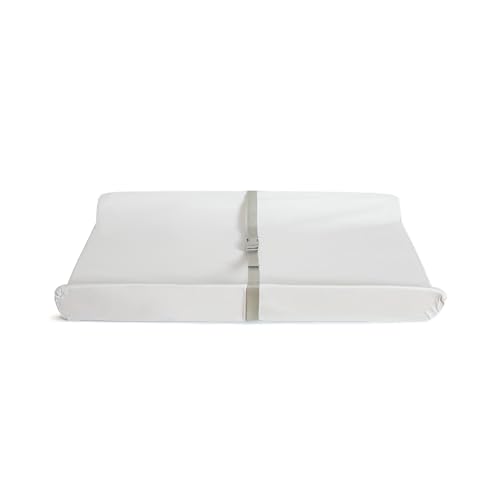
Changing Pad Buying Guide
Everything you need to know to choose the safest, most comfortable, and durable changing pad for your nursery. Compare materials, safety features, and top picks.
A changing pad is one of the most-used baby items in the first two years. It provides a clean, cushioned surface for diaper changes, helping keep your baby comfortable and your nursery organized. But with so many options – contoured, flat, waterproof, portable, organic – choosing the right one can feel overwhelming.
This guide breaks down everything you need to know, from materials and safety to size and extra features. By the end, you'll know exactly which type suits your lifestyle and budget.
What to Look for in a Changing Pad
Waterproof Surface
Essential for easy cleanup. Look for PVC-free, waterproof materials that resist stains and odors.
Safety Strap
A 3‑point or 5‑point safety strap keeps your baby secure during changes, especially when they start to roll.
Contoured Design
Raised edges help cradle your baby and prevent rolling. Some have a slight incline for extra comfort.
Easy-to-Clean Cover
Removable, machine‑washable covers save you time and keep the pad fresh. Look for wipeable surfaces too.
Beyond these basics, consider size (standard vs. portable), weight capacity, and whether you want extra storage pockets or a built‑in scale. If you're setting up a nursery, a contoured pad that fits a standard portable crib or dresser top is a popular choice.
Materials Matter: Foam, Gel, or Organic?
The core material affects comfort, durability, and safety. Here's what you need to know:
- Polyurethane foam: Lightweight and affordable. Provides good cushioning but may degrade over time. Look for CertiPUR‑US certified foam to avoid harmful chemicals.
- Gel-infused memory foam: Offers superior pressure relief and stays cool. Often more expensive but great for long-term comfort.
- Organic cotton / natural fill: Hypoallergenic and breathable. Ideal for babies with sensitive skin. Check for GOTS or Oeko‑Tex certification.
Regardless of material, ensure the pad has a waterproof, wipeable outer layer. Many parents prefer a pad with a removable, washable crib sheet‑style cover for extra hygiene.
Size, Shape, and Placement
Changing pads come in two main sizes: standard (approx. 16″ x 32″) and portable/mini (approx. 12″ x 24″). Standard pads fit on most dressers or changing tables, while portable pads are great for on‑the‑go or small spaces.
Consider where you'll change your baby most often. If you plan to use a dresser, measure the top surface to ensure the pad fits securely. For travel, a lightweight, foldable pad with a carrying handle is ideal. Some parents also keep a second pad in the living room or a playpen for convenience.
Pro Tip: Always place the changing pad on a stable, flat surface. Never use it on an elevated surface without supervision, and always fasten the safety strap.
Extra Features Worth Considering
- Built‑in scale: Helps you track your baby's weight at home. Convenient but adds cost.
- Storage compartments: Side pockets or organizers for diapers, wipes, and cream. Keeps everything within reach.
- Non‑slip bottom: Prevents the pad from sliding on smooth surfaces. Essential for safety.
- Travel bag: Some portable pads come with a matching bag for easy transport.
While extra features are nice, don't sacrifice core safety and comfort for bells and whistles. A simple, well‑made pad often outperforms a feature‑packed one that skimps on materials.
Cleaning and Maintenance
Because changing pads see daily use, easy cleaning is paramount. Look for:
- Wipeable surface: A quick wipe with a gentle cleaner or water wipes handles most messes.
- Machine‑washable covers: Removable covers that can be tossed in the washer save time and keep the pad looking new.
- Antimicrobial properties: Some pads are treated to resist bacteria and mold – a bonus for humid climates.
Always follow the manufacturer's care instructions. Avoid harsh chemicals that could irritate your baby's skin. If the pad has a foam core, air it out regularly to prevent odors.
Budget and Value
Changing pads range from $25 for basic models to over $100 for premium organic or gel‑infused options. Here's a rough breakdown:
- $25–$50: Basic contoured pads with waterproof covers. Good for most families.
- $50–$80: Mid‑range pads with memory foam, better materials, and extra features like storage pockets.
- $80+: Premium organic, gel‑infused, or smart pads (with scale). Best for long‑term use and sensitive skin.
Remember, a changing pad is a long‑term purchase – it will be used daily for at least 2 years. Investing in quality materials and a comfortable design pays off in convenience and durability.
Final Thoughts
Choosing the right changing pad is about balancing safety, comfort, convenience, and budget. Start by measuring your changing area and deciding whether you need a standard or portable size. Then prioritize materials (waterproof, non‑toxic, easy to clean) and safety features like a secure strap and non‑slip base.
Remember, a good changing pad not only makes diaper changes easier but also gives you peace of mind. Whether you're preparing your nursery for a newborn or upgrading for a growing toddler, the right pad is a small investment that makes a big difference in your daily routine.
Ready to buy? Check out our top recommendations below – all products are hand‑picked based on safety, quality, and real parent reviews.