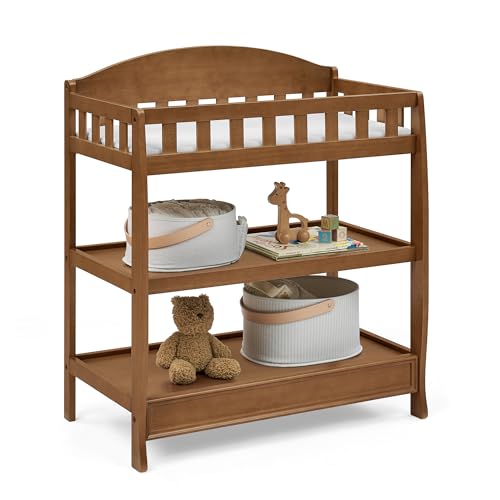
Choosing the Perfect Changing Table for Your Newborn
Discover everything you need to know to select a safe, functional, and stylish changing table for your nursery. From types and features to safety tips, this guide covers it all.
A changing table for newborns is one of the most essential pieces of nursery furniture. It provides a dedicated, safe, and comfortable space for diaper changes, which can happen up to 10-12 times a day in the early weeks. But with so many options available—from basic portable pads to elaborate dresser combos—how do you choose the best changing table for your needs?
This guide will walk you through the different types, key features to look for, safety considerations, and practical tips to make your changing routine smooth and enjoyable. Whether you're a first-time parent or looking to upgrade your nursery setup, we've got you covered.
Types of Changing Tables for Newborns
Before you start shopping, it's helpful to understand the main types of changing tables available. Each has its own set of advantages depending on your space, budget, and lifestyle.
Standard Changing Table
A dedicated piece of furniture with open shelves below. It's affordable, lightweight, and easy to move. Ideal for nurseries with extra floor space.
Changing Table Dresser
A versatile combination of a dresser and a changing table. This is a popular choice because it grows with your child, offering ample storage for clothes and diapers.
Portable Changing Pad
A simple pad that can be placed on any flat surface, such as a bed or dresser top. Perfect for small spaces or as a travel-friendly alternative. See also changing pad for newborn for more details.
Wall-Mounted Changing Table
Space-saving option that folds down from the wall. Great for tiny nurseries, but requires proper installation and may have weight limits.
For those looking for a long-term solution, a changing table dresser offers the best value, while a standard changing table is excellent for a dedicated changing station.
Key Features to Consider
Not all changing tables are created equal. Here are the most important features to evaluate before making a purchase.
- Safety Rails: At least one inch of railing on all sides to prevent your baby from rolling off.
- Changing Pad: A contoured, waterproof pad with a safety strap. Make sure it fits securely on the table's surface.
- Storage: Consider your storage needs. Open shelves are great for baskets of diapers and wipes, while drawers keep items hidden and organized.
- Height: The table should be at a comfortable height for you to change your baby without straining your back. A typical height is around 36 inches.
- Material and Construction: Solid wood is durable and sturdy, while engineered wood is more affordable. Ensure the table is stable and won't wobble.
- Ease of Cleaning: A smooth, non-porous surface that can be easily wiped down is essential for hygiene.
When selecting a changing table, also consider its weight capacity to ensure it's safe for your growing baby. For a convenient and safe setup, many parents pair their changing table with a baby changing table that includes these features by default.
Essential Safety Tips for Using a Changing Table
Safety is the number one priority when using any baby product. Follow these guidelines to ensure your changing table is used safely.
- Always Use the Safety Strap: Even for a moment, never leave your baby unattended on the changing table. The strap is a critical safety feature.
- Keep Supplies Within Arm's Reach: Store diapers, wipes, and creams on shelves or in a caddy attached to the table. Never turn your back on your baby to reach for something.
- Check for Stability: Regularly inspect the table for loose screws, wobbly legs, or any signs of damage.
- Anchor to the Wall: If you have a tall dresser or changing table combination, it's recommended to anchor it to the wall to prevent tipping.
- Use a Non-Slip Mat: Place a non-slip mat under the changing pad to keep it from sliding.
- Choose a Solid Surface: Ensure the changing pad fits snugly against the table's edges to eliminate gaps where a baby could get wedged.
For additional peace of mind, consider using a humidifier for newborn in the nursery to maintain a comfortable environment for your baby during changing times.
How to Choose the Right Changing Table: A Step-by-Step Guide
Choosing the right changing table can feel overwhelming, but by following these steps, you'll make a confident decision.
- Measure Your Space: Start by measuring the area where you plan to place the changing table. Consider the table's width, depth, and height, and ensure there's enough room to move around comfortably.
- Assess Your Storage Needs: Think about how many diapers, wipes, clothes, and other items you need to store. This will help you decide between open shelves, drawers, or a combination.
- Choose a Style That Matches Your Nursery: A changing table is a significant piece of furniture. Pick a design and color that complements your nursery decor.
- Set a Budget: Prices can range from under $100 for a basic portable pad to over $500 for a high-end dresser combo. Determine your budget before you start shopping.
- Read Reviews and Compare: Look for reviews from other parents to gauge the quality and durability of the table. Pay attention to comments about assembly, stability, and ease of cleaning.
- Test for Stability: If possible, visit a store and test the table. Give it a gentle shake to check for stability and see if the height is comfortable for you.
If you're also setting up other nursery furniture, check out our guide on nursery rocking chair for a complete nursery setup.
Caring for Your Changing Table
Proper maintenance will keep your changing table looking great and ensure it remains safe for years to come.
- Clean Spills Immediately: Wipe up any messes with a mild soap and water solution. Avoid harsh chemicals that can damage the finish.
- Protect the Surface: Use a changing pad liner or a waterproof cover to protect the pad and the table itself.
- Check Hardware Regularly: Tighten any loose screws or bolts to maintain stability.
- Consider a Dresser Combo: If you bought a convertible model, as your child grows, you can remove the changing tray and use it as a standard dresser for years.
Frequently Asked Questions (FAQ)
Is a changing table necessary for a newborn?
While not strictly necessary, a changing table provides a designated, safe space for diaper changes and can save your back from unnecessary strain. It's a highly recommended nursery investment.
What is the best height for a changing table?
The ideal height is one that allows you to change your baby without bending over uncomfortably. Most changing tables are around 36 inches tall, but you should also consider your own height.
Are changing table dressers safe?
Yes, they are safe when used correctly. Always use the safety strap, anchor the dresser to the wall, and never leave your baby unattended.
Can I use a changing pad on a dresser?
Absolutely. A changing pad for newborn can be placed on a stable dresser to create a practical and space-saving changing station.
What should I keep near the changing table?
Keep diapers, wipes, diaper rash cream, a clean change of clothes, and a small toy or mobile to keep your baby distracted. A toy storage organizer can also help keep the area tidy.
Conclusion
Choosing the right changing table for your newborn is a crucial decision that impacts your daily routine and your baby's safety. By considering the different types, key features, and safety guidelines outlined in this guide, you're well-equipped to make an informed choice. Remember to measure your space, set a budget, and select a style that fits your nursery's aesthetic.
Whether you opt for a standard model, a versatile dresser combo, or a space-saving wall-mounted option, the best changing table is one that meets your specific needs and provides a safe, comfortable place for those precious moments with your little one.