Best Breast Pumps 2026: Complete Buying Guide
Choosing the right breast pump can feel overwhelming. From electric to manual, wearable to hospital-grade, we break down everything you need to know to find the perfect pump for your lifestyle and budget.
Why trust us? Our team of parents and lactation consultants have tested and reviewed dozens of pumps. We update this guide regularly to reflect the latest models and user feedback.
On this page:
Types of Breast Pumps: Which One is Right for You?
🔌 Electric Breast Pumps
Best for: Regular pumping, returning to work, or building a milk stash.
Electric pumps are the most popular choice. They use a motor to create suction, allowing you to pump both breasts simultaneously (double electric) or one at a time (single electric). Hospital-grade pumps are available for rent and offer the highest suction power.
Price Range: $150–$500 (hospital-grade rental: $50–$100/month)
- Efficient, saves time
- Adjustable suction and speed
- Often comes with a carrying bag and accessories
🤱 Manual Breast Pumps
Best for: Occasional use, travel, or as a backup pump.
Manual pumps are hand-operated and require you to squeeze a lever or bulb to create suction. They are quiet, lightweight, and don't require electricity or batteries.
Price Range: $25–$70
- Affordable and portable
- Good for quick relief or occasional pumping
- Easy to clean and maintain
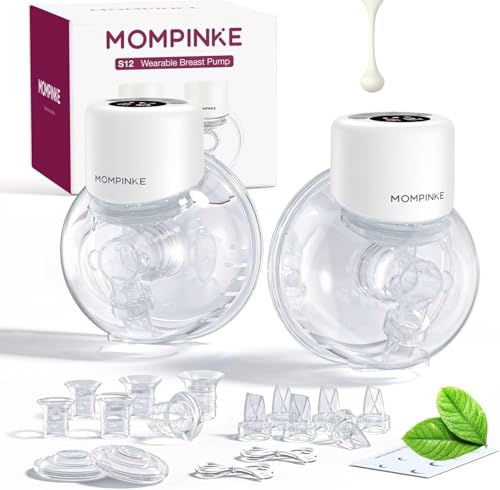
💨 Wearable / Hands-Free Pumps
Best for: Moms who need to multitask or pump discreetly.
Wearable pumps fit inside your bra and allow you to move around freely. They are usually electric and powered by a small motor. The latest models are app-connected and offer advanced features.
Price Range: $200–$600
- Hands-free pumping
- Discreet and quiet
- App connectivity for tracking
🏥 Hospital-Grade (Rental)
Best for: Low milk supply, preterm babies, or medical needs.
These are powerful, closed-system pumps designed for frequent, heavy use. They are typically rented from hospitals or lactation clinics.
Price Range: $50–$100/month (rental)
- Superior suction power
- Closed system prevents contamination
- Ideal for establishing or increasing milk supply
Key Features to Consider Before Buying
🔹 Suction Strength & Adjustability
Look for pumps with adjustable suction levels. This allows you to find the most comfortable and effective setting for your body.
🔹 Portability & Battery Life
If you plan to pump on the go, consider the weight, size, and battery life of the pump. Some models come with rechargeable batteries.
🔹 Noise Level
Some pumps are quieter than others. If discretion is important, look for "whisper-quiet" models.
🔹 Closed vs. Open System
Closed-system pumps have a barrier that prevents milk from entering the tubing, making them more hygienic and easier to clean.
🔹 Flange Size & Comfort
Using the correct flange size is crucial for comfort and milk output. Many pumps come with multiple flange sizes or allow you to purchase them separately.
🔹 Accessories & Cleaning
Consider the included accessories (bottles, storage bags, cooler bag) and how easy the pump is to disassemble and clean.
How to Choose the Perfect Breast Pump for Your Lifestyle
Ask yourself these questions:
- 1. How often will I pump? If you're returning to work, invest in a double electric pump. For occasional use, a manual pump may suffice.
- 2. Where will I pump? If you'll be pumping in a private office, noise may not matter. If you'll be in shared spaces, a quieter pump is better.
- 3. What's my budget? Prices range from $25 for manual pumps to $600+ for high-end wearables. Consider your needs and frequency of use.
- 4. Do I need portability? If you're always on the move, a wearable or battery-operated pump is a game-changer.
Pro Tips for Successful Pumping
- 💡 Pump after nursing: To build a stash, pump for 10–15 minutes after each feeding, especially in the morning when milk supply is highest.
- 💡 Stay hydrated and relaxed: Drink plenty of water and try relaxation techniques before pumping to increase milk flow.
- 💡 Use the right flange size: A properly fitted flange prevents pain and maximizes output. Most pumps come with a sizing guide.
- 💡 Keep a log: Track your pumping sessions, output, and how you feel. This helps you identify patterns and optimize your routine.
Frequently Asked Questions About Breast Pumps
Can I use a breast pump if I have sore nipples?
Yes, but make sure to use the correct flange size and start with a low suction setting. You may also want to apply a nipple cream before pumping. If pain persists, consult a lactation consultant.
How do I clean my breast pump?
Most parts that come into contact with milk should be washed with warm, soapy water and sterilized according to the manufacturer's instructions. Many pumps are dishwasher-safe (top rack).
Is it safe to share a breast pump?
It is not recommended to share a pump unless it is a hospital-grade closed-system pump. For personal pumps, always use your own accessories and flanges to avoid contamination.
How much milk should I expect to pump?
This varies widely. Some moms pump 2–4 ounces per session, while others may pump less or more. Focus on consistency and your baby's feeding cues rather than the numbers.
Related guides: If you're new to pumping, you might also find our guides on storing breast milk, nursing pads, and increasing milk supply helpful. For a complete list of baby essentials, visit our baby registry guide.