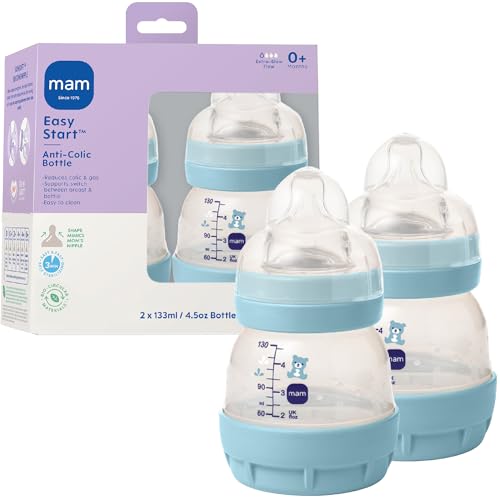
Bottles Most Similar to Breast Nipple: A Complete Guide for Breastfed Babies
Find the bottle that feels like mom. Understand nipple shapes, flow rates, and materials to make the transition between breast and bottle smooth and stress-free for your baby.
Why this matters: For breastfeeding mothers, introducing a bottle can be a delicate balancing act. Babies who are used to the breast may resist artificial nipples that feel unfamiliar, leading to feeding struggles and wasted expressed milk. Choosing a bottle most similar to the breast nipple helps preserve your breastfeeding relationship while giving caregivers a reliable way to feed your baby.
What Makes a Bottle Nipple Feel Like the Breast?
Not all bottle nipples are created equal. For breastfed babies, the following characteristics are the most important when evaluating similarity to the breast:
Nipple Shape
A rounded, bulbous nipple with a gradual slope mimics the breast's natural contour. Wide-base nipples encourage a wider latch, similar to how babies latch onto the breast.
Nipple Texture
Textured or matte silicone surfaces provide sensory feedback that feels more like breast tissue. Smooth, glossy nipples can feel unfamiliar and slippery to breastfed babies.
Flexibility
Soft, flexible nipples that yield under suction simulate the way breast tissue responds during nursing. Rigid nipples feel unnatural and may cause frustration.
Flow Control
Slow-flow nipples allow babies to control the pace of feeding, just as they do at the breast. This reduces the risk of overfeeding and nipple confusion.
Key Considerations When Choosing a Breast-Like Bottle
Nipple Shape and Latch
The shape of the nipple is the single most important factor for breastfed babies. Wide-neck bottles with a broad nipple base allow your baby to open wide and latch deeply, mirroring the breastfeeding mechanics. Narrow-neck bottles, while sometimes preferred for older babies, often require a tighter latch that can confuse newborns. Look for nipples with a defined tip and a wide, gradual transition from tip to base.
Material Matters: Silicone vs. Latex
Most breast-like bottles use silicone nipples, which are durable, odor-resistant, and free from the allergens found in latex. Silicone tends to be firmer than latex, but high-grade silicone can be remarkably soft. Latex nipples are softer but degrade faster and are not suitable for babies with latex allergies. For most families, medical-grade silicone is the preferred choice for its balance of softness, durability, and safety.
Venting and Anti-Colic Design
Many breastfed babies are sensitive to air intake, which can lead to colic and discomfort. Bottles with internal venting systems or anti-colic valves reduce air swallowing and help maintain a steady flow. However, the venting design should not interfere with the natural feeding rhythm that breastfed babies are used to.
Bottle Neck Width and Cleaning
Wide-neck bottles are easier to clean and fill, and their broader openings accommodate larger bottle brushes. They also tend to have wider nipples that better mimic the breast. The trade-off is that wide bottles can be bulkier in diaper bags, so consider how you plan to use the bottle — at home, on the go, or both.
The Importance of Paced Feeding
Even the most breast-like bottle is only part of the equation. Paced feeding is a technique that replicates the breastfeeding experience by holding the bottle horizontally, allowing the baby to actively suck and pause as they would at the breast. This approach prevents overfeeding, supports self-regulation, and reduces the risk of nipple confusion. Combine a breast-like nipple with paced feeding for the best results when introducing a bottle to a breastfed baby.
Bottle Categories by Market Position
To help you navigate the options, here is how breast-like bottles generally fall into market tiers. These descriptors reflect overall construction, design complexity, and feature sets rather than specific figures.
| Tier | Best For | Typical Characteristics |
|---|---|---|
| Starter Tier | Newborns and early bottle introduction | Simple wide-neck design, soft silicone nipple, single vent, basic anti-colic features |
| Mid-Tier | Breastfed babies with sensitive digestion | Textured nipple, advanced venting, multiple flow rates, ergonomic bottle shape |
| High-End Tier | Families wanting maximum breast similarity | Ultra-soft silicone, breast-like texture, responsive flow, premium venting, full system compatibility |
| Professional-Grade | Preemies and babies with feeding challenges | Specialty nipples, controlled flow, hospital-grade materials, often recommended by feeding specialists |
Tips for Transitioning a Breastfed Baby to a Bottle
- Timing is everything. Introduce the bottle between 3 and 6 weeks of age, once breastfeeding is well established but before the baby becomes strongly habituated to the breast.
- Use expressed breast milk. The familiar taste and smell ease the transition and reduce resistance.
- Let someone else offer the bottle. Babies often associate mom with the breast; having a partner or caregiver offer the bottle can reduce confusion.
- Warm the nipple. Running the nipple under warm water before feeding can make it feel more like the breast.
- Start with a slow flow. A slow-flow nipple gives the baby control and prevents them from being overwhelmed by a fast flow.
- Try different positions. Hold the baby in a semi-upright position, similar to breastfeeding, and avoid feeding them lying flat.
- Be patient. It may take several attempts before your baby accepts a bottle. Stay calm and offer the bottle when the baby is relaxed but not overly hungry.
For additional support on feeding transitions and choosing the right breast pump to express milk, explore our guide on the double electric breast pump and our comprehensive cordless breast pump coverage options.
Signs of Nipple Confusion and What to Do
Nipple confusion occurs when a baby becomes accustomed to an artificial nipple and struggles to latch onto the breast. Signs include pulling away from the breast, refusing to latch, frustration during breastfeeding, and a shallow latch. If you notice these signs, pause bottle feeding for a few days and focus on breastfeeding. When you reintroduce the bottle, use a slower-flow nipple and paced feeding techniques. If difficulties persist, consult a lactation consultant for personalized guidance.
Related Guides for Feeding and Baby Care
Once you have chosen a breast-like bottle, you may also need a reliable bottle sterilizer to keep feeding equipment clean and safe. Our bottle sterilizer guide covers the different sterilization methods and features to look for. For families exploring alternative feeding options, our resources on formula for infants with milk allergy and amino acid-based formula provide detailed comparisons. New parents can also find practical feeding tools such as baby spoons and starter spoon sets to support the transition to solids when the time comes.
Frequently Asked Questions
What bottle nipple is closest to a mother's breast?
Wide-neck bottles with soft, silicone nipples that feature a rounded, breast-like shape and a gradual slope tend to be closest to a mother's breast. Nipples with a textured surface and flexible base often encourage a natural latch similar to breastfeeding.
How do I transition a breastfed baby to a bottle?
Introduce the bottle gradually, ideally with expressed breast milk, and use paced feeding techniques. Choose a bottle with a slow-flow nipple and a wide, breast-like shape. Let another caregiver offer the first bottle while the mother is out of sight, and warm the nipple slightly for familiarity.
Are wide-neck bottles better for breastfed babies?
Wide-neck bottles are often recommended for breastfed babies because their broader nipple base mimics the breast, promoting a wider latch. This can reduce nipple confusion and support a smoother transition between breast and bottle.
What flow rate should I choose for a breastfed baby?
Start with a slow-flow or newborn nipple, especially for breastfed babies. A slower flow allows the baby to control the pace, similar to breastfeeding, and reduces the risk of overfeeding. Step up to a medium flow only when the baby shows signs of frustration with the slower rate.
Final Thoughts
Finding the bottle most similar to the breast nipple can transform the feeding experience for breastfed babies and their caregivers. Prioritize wide-neck designs, soft and textured silicone nipples, slow flow rates, and effective venting. Combine your chosen bottle with paced feeding techniques, and be patient during the transition. Every baby is different, so it may take a few tries to find the perfect match. With the right bottle and a thoughtful approach, you can maintain your breastfeeding relationship while giving your baby the flexibility of bottle feeding.