
Newborn Flat Head: Prevention & Treatment Guide
Understand positional plagiocephaly, learn proven prevention strategies, and discover the best baby products to support healthy head shape development.
Did you know? Up to 47% of infants may develop some degree of flat head syndrome (positional plagiocephaly) in their first few months. The good news: with the right knowledge and tools, it's often preventable and treatable. This guide covers everything you need to know.
What Is Newborn Flat Head (Plagiocephaly)?
Newborn flat head, medically known as positional plagiocephaly, is a condition where a baby's head develops a flattened spot on one side or the back. It occurs most commonly because babies spend a lot of time lying on their backs—which is the safest sleep position to reduce the risk of SIDS. While it's not usually harmful to brain development, early intervention can help correct the shape and prevent long-term cosmetic concerns.
There are two main types:
- Plagiocephaly: Flattening on one side of the head, causing asymmetry.
- Brachycephaly: Symmetrical flattening across the back of the head.
Understanding these distinctions helps you choose the right prevention and treatment strategies for your baby.
Causes & Risk Factors
Positional plagiocephaly is usually mechanical, not medical. It happens when external pressure repeatedly rests on the same spot of your baby's skull. The bones of a newborn's skull are soft and malleable to allow for brain growth and passage through the birth canal, making them susceptible to molding from outside forces.
🔹 Back Sleeping
While back sleeping is essential for SIDS prevention, it increases the time your baby's head rests on a flat surface. Always place your baby on their back to sleep, but use supervised tummy time during waking hours to relieve pressure.
🔹 Torticollis
Muscular torticollis (tight neck muscles) can cause your baby to prefer turning their head to one side, leading to uneven pressure and flat spots. Gentle stretches and positioning can help.
🔹 Container Use
Excessive time in car seats, bouncers, swings, and strollers can contribute to flat head. Limit time in these containers and prioritize floor play and tummy time.
🔹 Multiple Births
Twins and triplets may be more prone to positional plagiocephaly due to cramped space in the womb and limited movement after birth.
How to Prevent Flat Head Syndrome
Prevention is the most effective approach. These simple strategies can make a significant difference in your baby's head shape:
- Supervised Tummy Time: Start tummy time from day one. Aim for 2–3 sessions daily, gradually increasing duration. Tummy time strengthens neck and shoulder muscles.
- Alternate Head Position: When your baby is sleeping, gently alternate the direction they face in the crib. Place interesting toys or a mobile on both sides to encourage head turning.
- Carry and Hold Your Baby: Reduce the time your baby spends lying on their back by carrying them in your arms or using a baby carrier during awake periods.
- Limit Container Time: Use car seats, swings, and bouncers only as needed. When at home, allow your baby to play and explore on a flat, safe surface on their tummy.
- Change Sleep Position: If your baby always turns their head to the same side in the crib, gently reposition their head (if they are in a safe sleep environment) after they fall asleep.
When to See a Doctor
While most cases of flat head are harmless and improve with repositioning, certain signs warrant a medical evaluation:
- Significant asymmetry that does not improve with repositioning by 4 months of age.
- Your baby consistently prefers turning their head to only one side.
- Noticeable flattening on one side of the forehead or ear displacement.
- Developmental delays or signs of torticollis.
Your pediatrician or a cranial specialist may recommend helmet therapy for moderate to severe cases. Helmets work by applying gentle, consistent pressure to encourage growth in the flat area while allowing the skull to expand naturally.
Baby Gear to Support Healthy Head Shape
Certain baby products can assist in prevention and treatment. Look for items that:
- Encourage tummy time and floor play.
- Provide proper support without creating pressure points.
- Promote active movement and muscle development.
Below are our recommended products selected to help you prevent and manage newborn flat head.
Recommended Baby Gear for Flat Head Prevention & Care
⚠️ AFFILIATE DISCLOSURE: This website contains affiliate links. As an Amazon Associate, we earn from qualifying purchases. If you make a purchase through these links, we may receive a small commission at no additional cost to you. Read our full affiliate policy.
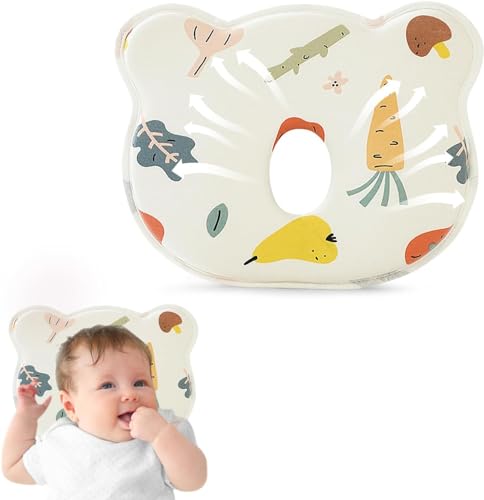
Memory Foam Baby Travel Pillow,Portable Cute Cartoon Bear Soft and Cozy Pillow,Breathable Bedding Set for Infants for Small Boys and Girls Prevent Flat Head

Cococu Baby Head Pillow, Soft Neck Support for Car Seat Stroller, White | Baby Head & Neck Support Pillow for Newborn, Car Seat Stroller & Bassinet, White

WelsLife Soft Hypoallergenic Head Support Organic Cotton Machine Washable

Memory Foam Baby Pillow,Cute Cartoon Bear Soft and Cozy Pillow, Breathable Bedding Set for Infants for Small Boys and Girls Prevent Flat Head

Memory Foam Baby Pillow,Cute Cartoon Bear Soft and Cozy Pillow, Breathable Bedding Set for Infants for Small Boys and Girls Prevent Flat Head
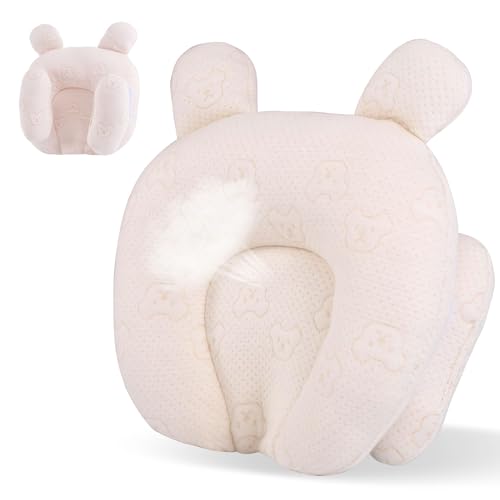
Foileon Portable Baby Pillow, Adjustable Cute Cartoon Bear Soft and Cozy Pillow, Ergonomic Design Soft Hypoallergenic Pillows for Newborn Babies Sleeping Prevent Flat Head

POWYS Torticollis Pillows for Infants Newborn Neck to Prevent Flat Head Travel Car Seat Neck Support Cushion Toddler Plagiocephaly Shaper Correction Positioner Soft Cotton Adjustable Length(White
Tummy Time: The #1 Prevention Tool
Tummy time is hands-down the most effective way to prevent and treat flat head. It strengthens your baby's neck, shoulder, and back muscles, promotes motor development, and relieves pressure from the back of the head.
0–1 Month
Start with 1–2 minutes, 2–3 times per day. Place your baby on your chest or a firm surface. Stay close and engage with them.
1–3 Months
Aim for 5–10 minutes, 3–4 times daily. Use a tummy time mat or rolled towel for support. Place toys within their line of sight.
3–6 Months
Encourage longer sessions (15–20 minutes, 4–5 times a day). Introduce mirrors and textured toys to keep them motivated.
6+ Months
Tummy time evolves into crawling practice. Continue to prioritize floor play to maintain muscle strength and head control.
Remember, tummy time should always be supervised. Never leave your baby unattended during tummy time.
Other Helpful Products
In addition to the specific gear above, consider these supportive items that can aid in preventing flat head:
- Nursing Pillows: A good nursing pillow can help you position your baby for feeding while keeping pressure off the head.
- Baby Carriers: Using a baby carrier during awake hours reduces time spent lying flat and promotes natural head movement.
- Play Mats & Gyms: Engaging activity centers and play mats encourage your baby to move their head to explore, strengthening neck muscles.
- Positioning Aids: Consult with your pediatrician before using any positioning wedges or pillows. Some products are approved for supervised use to relieve pressure.
FAQs About Newborn Flat Head
Will my baby's flat head correct itself?
In many mild cases, yes—with repositioning, tummy time, and growth, the head shape often improves naturally by 6–12 months. However, moderate to severe cases may benefit from helmet therapy.
Does flat head affect brain development?
No, positional plagiocephaly does not affect brain development or intelligence. It is a cosmetic concern that can be addressed with early intervention.
How long does helmet therapy last?
Helmet therapy typically lasts 2–6 months, depending on the severity and the baby's age. Most specialists recommend starting treatment between 4–6 months when skull growth is most rapid.
Can I use a special pillow to prevent flat head?
Most pediatricians advise against using pillows for infants under 1 year old due to SIDS risk. Instead, focus on tummy time and repositioning during supervised awake periods.
Ready to Take Action?
Explore our curated selection of baby gear designed to support healthy head shape. From tummy time mats to positioning aids, we've got you covered.
Shop Recommended Products