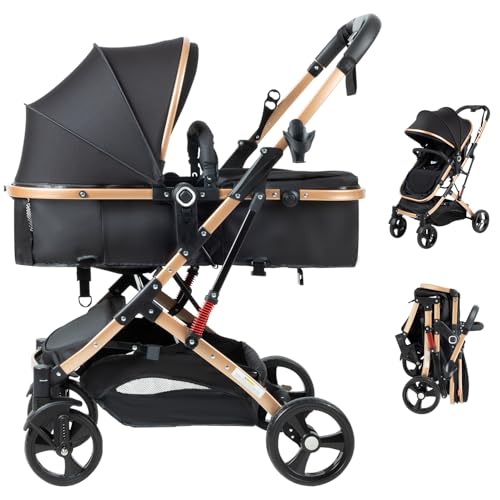
Bassinet Stroller Guide – The Best Travel System for Newborns
Discover the ultimate bassinet stroller for your baby. Safe, comfortable, and perfect for newborns. Our comprehensive guide helps you choose the best travel system for your family.
🛡️ Safety First
Flat, firm bassinet surfaces for safe newborn sleep during walks. Always follow safe sleep guidelines.
🔄 2-in-1 Versatility
Most bassinet strollers convert to a toddler seat, giving you years of use from one product.
🧸 Comfort & Convenience
Adjustable canopies, extra storage, and smooth-rolling wheels make outings a breeze.
What Is a Bassinet Stroller?
A bassinet stroller is a type of stroller that includes a flat, bassinet-style seat designed specifically for newborns. Unlike standard strollers that recline only partially, a bassinet stroller offers a completely flat surface, which is essential for healthy spine and hip development in the first few months. Many modern bassinet strollers are part of a travel system that also includes an infant car seat, allowing you to move your sleeping baby from car to stroller without waking them.
When choosing a bassinet stroller, you’ll want to consider factors like rotating car seat compatibility, overall weight, foldability, and suspension quality. A good bassinet stroller is an investment in your baby’s comfort and your daily convenience.
Why Choose a Bassinet Stroller?
Newborns spend up to 16 hours a day sleeping, so having a comfortable, safe place to rest during walks or errands is important. A bassinet stroller offers several benefits over a regular stroller or car seat attachment:
- ✅ Flat Sleeping Surface – Supports natural spine alignment and reduces the risk of positional plagiocephaly (flat head syndrome).
- ✅ Improved Airflow – Open bassinet design provides better ventilation for your baby compared to a car seat.
- ✅ Extra Storage – Most bassinet strollers include a large under-seat basket for diaper bags, groceries, and more.
- ✅ Seamless Transitions – Many bassinet strollers are compatible with infant car seats, making it easy to move from car to stroller without disturbing your baby.
If you’re looking for a stroller that grows with your child, consider a convertible travel system that includes a bassinet, toddler seat, and car seat adapter.
Key Features to Look For
| Feature | Why It Matters | What to Look For |
|---|---|---|
| Bassinet Depth | Deeper bassinets keep your baby secure and prevent rolling. | At least 6–8 inches deep with a 5-point harness. |
| Canopy Size | Protects baby from sun, wind, and rain. | Large, adjustable canopy with UPF 50+ fabric. |
| Wheel Suspension | Provides a smooth ride on bumpy sidewalks or grass. | All-wheel suspension with rubber or foam-filled tires. |
| Weight & Fold | Ease of lifting and storing the stroller. | Under 25 lbs with a one-hand, compact fold. |
| Storage Basket | Carry diaper bags, shopping, and baby essentials. | Large, easy-access basket with weight capacity. |
Our Top Bassinet Stroller Picks
After extensive research and testing, we’ve selected the following bassinet strollers based on safety, comfort, durability, and value. All recommended products meet or exceed CPSC safety standards and have received positive reviews from parents and experts alike.
For a more budget-friendly option, check out the compact stroller category or explore our umbrella stroller guide for lightweight travel.
| Product | Type | Weight | Price |
|---|---|---|---|
| Uppababy Vista V2 | Convertible Travel System | 27 lbs | $950 |
| Mockingbird Single-to-Double | Convertible Stroller | 25 lbs | $450 |
| Babyzen Yoyo2 | Compact Travel Stroller | 13.6 lbs | $600 |
| Graco Modes Pramette | 3-in-1 Pramette | 22 lbs | $230 |
| Nuna Mixx Next | Premium Travel System | 26.5 lbs | $1,100 |
* Prices are estimates and may vary based on retailer and sales.
Bassinet Stroller: Pros & Cons
✅ Pros
- Safe, flat sleeping surface for newborns
- Excellent ventilation and airflow
- Converts to toddler seat for long-term use
- Compatible with most infant car seats
- Large storage baskets for daily essentials
❌ Cons
- Heavier and bulkier than standard strollers
- Can be expensive (especially premium brands)
- Bassinet-only models are short-lived (up to 6 months)
- Not ideal for jogging or rough terrain
How to Choose the Right Bassinet Stroller
With so many options on the market, choosing the right bassinet stroller can feel overwhelming. Here are some practical tips to help you decide:
- 🔹 Consider Your Lifestyle: If you’re a city dweller who uses public transport, a lightweight, compact fold is essential. For suburban families, a larger, feature-rich stroller may be more suitable.
- 🔹 Check Car Seat Compatibility: If you plan to use the stroller as a travel system, ensure the bassinet stroller is compatible with your preferred newborn car seat.
- 🔹 Test the Fold & Weight: Visit a store to try folding the stroller and lifting it. You’ll be doing this multiple times a day, so it needs to work for you.
- 🔹 Budget Wisely: Bassinet strollers range from $200 to over $1,000. Determine your budget and prioritize features like suspension, storage, and canopy size.
- 🔹 Read Reviews: Look for real-parent reviews on stability, maneuverability, and durability over time.
If you’re also considering a bassinet for indoor use, check out our guide on bedside bassinets for safe sleep next to your bed.
Safety Tips for Bassinet Strollers
Safety is the most important consideration when using a bassinet stroller. Follow these guidelines to keep your baby safe:
- ⚠️ Always Use the Harness: Even for newborns, use the 5-point harness to prevent sliding or rolling.
- ⚠️ Check Weight Limits: Most bassinets are rated up to 20–25 lbs. Stop using the bassinet mode once your baby exceeds the limit.
- ⚠️ Keep the Canopy Up: Protect your baby from direct sunlight, wind, and rain.
- ⚠️ Engage the Brakes: Always engage the stroller brakes when parked, even on level surfaces.
- ⚠️ Follow the Manufacturer's Instructions: Each stroller has specific assembly, use, and maintenance guidelines – read them carefully.
For additional safety information, read our guides on baby proofing and baby monitor selection to create a safe environment at home.
Frequently Asked Questions
Can a bassinet stroller be used for overnight sleep?
No. Bassinet strollers are designed for supervised daytime use and strolling. They are not intended for overnight sleep. Always use a crib or bassinet that meets CPSC safety standards for overnight sleep.
How long can I use a bassinet stroller?
Most bassinet strollers can be used until your baby reaches 20–25 lbs or starts pushing up on hands and knees. This is typically around 6–8 months. Many models convert to a toddler seat for extended use.
What is the difference between a bassinet stroller and a pram?
A pram is a traditional carriage with a fixed bassinet, usually with smaller wheels and no convertible option. A bassinet stroller combines a bassinet with a stroller frame, often convertible to a toddler seat and with larger, more maneuverable wheels.
Are all bassinet strollers compatible with car seats?
Not all. Some bassinet strollers are standalone, while others are part of a travel system. Check compatibility before purchasing, especially if you plan to use it with an infant car seat. Many brands offer adapters for popular car seat models.
What should I look for in a bassinet stroller for travel?
For travel, look for a lightweight, compact fold, a carry handle or bag, and sturdy wheels for various terrains. The compact stroller category offers excellent options for frequent travelers.
Final Thoughts
A bassinet stroller is more than just a baby gear purchase—it’s an investment in your baby’s comfort, safety, and your own convenience. By choosing a model that fits your lifestyle, budget, and safety requirements, you’ll enjoy countless worry-free outings with your little one.
Remember to always inspect your stroller for wear and tear, keep it clean, and store it in a dry place. If you have questions or need further guidance, don’t hesitate to reach out or explore our other buying guides. Happy strolling!