Potty Training Boys: A Complete Guide
Expert advice, proven methods, and essential products to help your little boy master potty training with confidence and ease.
Potty training is a significant milestone in your child's development. For boys, this process can come with unique considerations, from standing versus sitting to understanding the cues and timing. This comprehensive guide is designed to help parents navigate the journey of potty training boys with confidence. We cover everything from recognizing readiness signs to choosing the right potty training tips and products that make the process smoother.
Is Your Boy Ready? Signs of Potty Training Readiness
Before you begin, it's essential to ensure your child is developmentally ready. Starting too early can lead to frustration for both you and your toddler. Look for these common signs of readiness:
- Stays dry for at least two hours at a time or wakes up from naps with a dry diaper.
- Shows interest in the bathroom habits of others or asks to wear "big boy" underwear.
- Can follow simple instructions and understands basic language related to potty use (e.g., "potty," "pee," "poop").
- Dislikes the feeling of a wet or dirty diaper and may tell you when they need a change.
- Can pull their pants up and down independently or with minimal help.
Remember, every child is different. While some boys may show readiness around 18 months, others may not be ready until they are 3 years old. Patience is key.
Effective Potty Training Methods for Boys
There's no one-size-fits-all approach, but several well-established methods have helped countless families succeed. Choose the one that best fits your child's personality and your family's lifestyle.
The 3-Day Method
A bootcamp-style approach where your child goes without diapers for a long weekend. It's an intensive method that requires your undivided attention but can produce rapid results for many boys.
Gradual Toilet Training
A slower, more gentle approach that involves introducing the potty, reading books about it, and gradually replacing diapers with underwear. This works well for children who need more time to adjust to new concepts.
Child-Led Training
Following your child's lead and waiting until they show a strong interest in using the potty. This method requires patience but often results in a smoother, power-struggle-free experience.
Reward-Based System
Using stickers, small toys, or a reward chart to motivate your child. Positive reinforcement can be incredibly effective, especially for boys who are responsive to immediate feedback.
Step-by-Step Guide to Potty Training Your Boy
Once you've identified your child's readiness and selected a method, follow these practical steps for a successful potty training journey:
- Prepare the Equipment: Choose a child-sized potty or a seat adapter that fits securely on your regular toilet. Let your son pick one out to increase his excitement. Consider also getting a step stool to help him reach the toilet and wash his hands independently.
- Introduce the Concept: Start talking about the potty in a positive and casual way. Read potty training books for boys and demonstrate the process. Let him see how other family members use the toilet.
- Dress for Success: Put your child in clothing that is easy to remove. During initial training, consider having him wear no pants or loose-fitting shorts to make it easier to reach the potty quickly.
- Establish a Routine: Take him to the potty at regular intervals—first thing in the morning, after meals, before naps, and before bath time. This helps establish a predictable routine. Even if he doesn't go, it's good practice.
- Celebrate Successes: Offer lots of praise for every success, no matter how small. A sticker chart or a small reward can be a great motivator. Avoid punishment for accidents, as they are a normal part of the learning process.
- Master Standing to Pee: Many boys prefer to stand to urinate. Start by having him sit on the potty for both pee and poop to ensure he can fully empty his bladder. Once he's comfortable, introduce the standing position, using a step stool and having him aim at targets like Cheerios or a sticker in the toilet bowl.
- Handle Nighttime Training: Nighttime dryness is a separate milestone that can take months or even years after daytime training is complete. Continue using pull-ups at night until he regularly wakes up dry or wakes up to use the potty.
Overcoming Common Potty Training Challenges
It's normal to encounter a few bumps along the road. Here are some common challenges and how to address them:
🚽 Fear of the Toilet
Some boys are afraid of falling in or the sound of flushing. Use a small, comfortable potty chair first, and let him flush the toilet himself to build familiarity and control.
💧 Accidents
Accidents are part of the process. Stay calm and reassuring. Remind him "pee goes in the potty" and help him clean up without making him feel ashamed.
🚶 Standing vs. Sitting
If he resists standing, let him sit. Sitting is actually more effective for emptying the bladder completely and is less messy for initial training. You can introduce standing later.
💩 Poop Problems
Constipation can make pooping painful and cause resistance. Ensure a diet rich in fiber and fluids. If he's holding his poop, a gentle approach to gas relief may help.
⏳ Regression
Regression is common during times of stress or change (a new sibling, starting preschool). Be patient, go back to basics, and provide extra reassurance and support.
👕 Choosing the Right Clothing
Opt for pants with elastic waistbands that are easy to pull up and down. Toddler boy clothes that are practical for potty training will minimize frustration and promote independence.
Essential Products for Successful Potty Training
The right products can make a world of difference. From the perfect potty chair to training pants and step stools, having the right tools at your disposal is crucial. Below are some key products to consider for your potty training journey. Remember, selecting comfortable and appealing items can boost your child's enthusiasm.
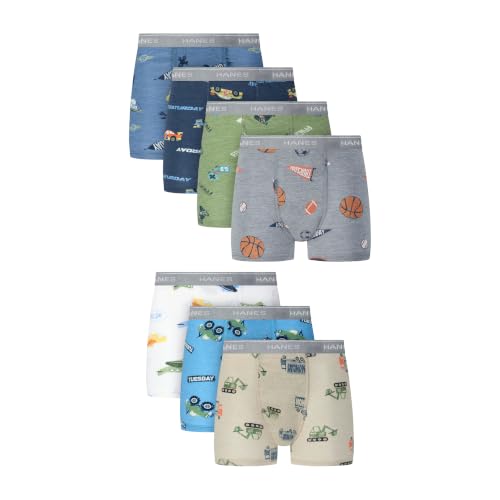
Tip: When transitioning to regular underwear, consider investing in comfortable and durable options. Clothes that are easy for a toddler to manage are essential for the process. You can find a great selection of toddler boy clothes and practical toddler boy shoes for when he's fully trained and on the go. Also, don't forget to plan for travel – having a portable option can be a lifesaver.
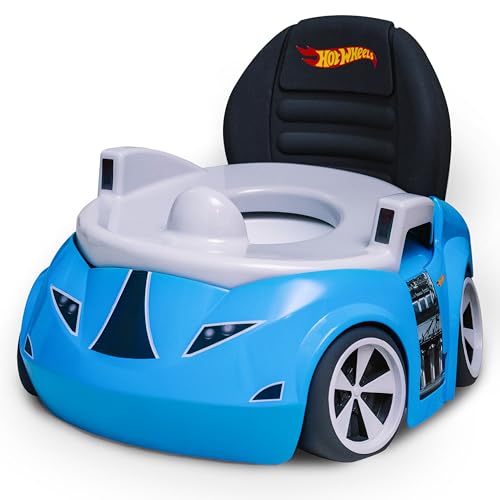
- Potty Chair or Seat Adapter: A standalone potty chair is often less intimidating, while a seat adapter with a step stool helps transition to the "big" toilet. Choose what feels right for your child.
- Training Pants / Pull-Ups: These are helpful for the transition period, especially for naps and outings. They allow your child to feel wetness while protecting furniture and floors.
- Reward Chart & Stickers: Visual motivation is a powerful tool for toddlers. A colorful chart where he can place a sticker after each successful attempt can be very encouraging.
- Step Stool: A sturdy step stool is essential for reaching the toilet and the sink, promoting hand-washing independence.
- Potty Training Books: Books that explain the process in a fun, engaging way can help demystify the concept and make it feel like an exciting adventure.
- Hand Sanitizer or Wipes: Keeping wipes and sanitizer near the potty makes clean-up easy and reinforces good hygiene habits.
- Travel Potty: For road trips and outings, a travel potty or disposable, portable potty chairs are incredibly convenient.
In addition to the items above, think about what will work best for your son's comfort and personality. For night-time, pull-ups are an excellent option, while during the day, allowing him to wear "big boy" underwear can be a proud moment. Check out a wide variety of toddler boy shoes and clothing that are easy to put on and take off, making the whole process smoother for both of you.
Extra Tips for a Smooth Potty Training Experience
🌟 Stay Positive
Your attitude sets the tone. Celebrate the small victories and treat accidents as normal learning opportunities. A positive, encouraging environment is key to reducing anxiety.
👨👦 Consistency is King
Try to maintain the same routine, even when you're out or away from home. Consistency helps reinforce the habit and prevents confusion.
🕰️ Patience and Timing
Choose a time to start when there are no major disruptions (e.g., a new sibling's arrival, moving house, or starting daycare). Avoiding stressful times can make the process smoother.
🗣️ Use the Right Language
Use clear, simple words for body parts and bodily functions. Avoid confusing terms and be direct, but keep it light and fun.
Final Thoughts: Remember, every child is unique and develops at their own pace. Potty training is a journey that requires patience, consistency, and lots of encouragement. By following the steps and tips in this guide, you'll be well-equipped to help your little boy achieve this important milestone with confidence. If you're looking for more general advice and support, explore our broader potty training tips for additional strategies.