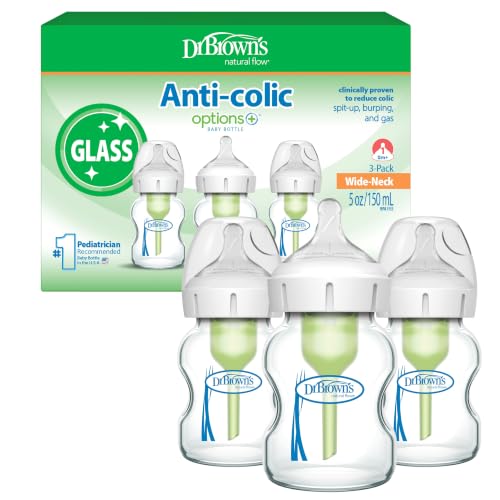
Glass Baby Bottles Buying Guide
Discover why glass baby bottles are a top choice for parents. Safe, eco-friendly, and easy to clean. Find the perfect bottle for your little one.
Shop Top Glass BottlesWhy Choose Glass Baby Bottles? Glass bottles are free from harmful chemicals like BPA, BPS, and phthalates. They are easy to sterilize, resistant to scratches, and maintain the purity of breast milk or formula. Perfect for health-conscious parents.
Key Benefits of Glass Baby Bottles
🧪 Chemical-Free Feeding
Glass bottles do not leach harmful chemicals, ensuring your baby's milk stays pure. Unlike plastic, they are free from BPA, BPS, and phthalates.
🧼 Easy to Clean
Glass surfaces do not absorb odors or stains. They can be sterilized in boiling water, steam, or a dishwasher without degrading.
♻️ Eco-Friendly
Glass is 100% recyclable and reusable. By choosing glass, you reduce plastic waste and contribute to a more sustainable planet.
🔥 Safe for Heating
Glass bottles can be safely placed in warmers or boiled without releasing toxins. Always check manufacturer guidelines for temperature limits.
Top Glass Baby Bottles Compared
Here is a quick comparison of the most popular glass baby bottles to help you choose the best one for your baby.
| Brand | Capacity | Material | Nipple Type | Price |
|---|---|---|---|---|
| Dr. Brown's Options | 5 oz / 9 oz | Borosilicate Glass | Silicone, Anti-Colic | $12.99 |
| Lansinoh Glass | 5 oz / 8 oz | Borosilicate Glass | Silicone, Natural Wave | $15.49 |
| Evenflo Classic | 4 oz / 8 oz | Soda-lime Glass | Silicone, Standard | $7.99 |
| LifeFactory Glass | 5 oz / 9 oz |
How to Choose the Right Glass Baby Bottle
- Size & Capacity: Start with smaller 4-5 oz bottles for newborns, then transition to 8-9 oz as your baby grows.
- Nipple Flow: Look for slow-flow nipples for younger babies and medium/fast flow for older ones. Many brands offer interchangeable nipples.
- Anti-Colic Features: Some glass bottles come with built-in venting systems to reduce air intake and minimize colic.
- Material Durability: Borosilicate glass is stronger and more heat-resistant than standard soda-lime glass.
- Ease of Cleaning: Wide-neck bottles are easier to fill and clean by hand or in a dishwasher.
Practical Tips for Using Glass Baby Bottles
🧊 Temperature Control
Glass retains heat longer than plastic. Always test milk temperature on your wrist before feeding.
🧽 Cleaning Routine
Use a bottle brush with warm, soapy water. For thorough sterilization, use a steam sterilizer or boil for 5 minutes.
🛡️ Safety First
Check for chips or cracks before each use. Replace if damaged to prevent injury.
🎒 On-the-Go
Use a protective silicone sleeve to prevent breakage when traveling. Consider a diaper bag backpack with insulated pockets.
For a complete feeding setup, pair your glass bottles with a reliable baby bottle warmer to heat milk safely. If you're preparing to return to work or need to store milk, invest in a high-quality manual breast pump. For easy cleaning, a bottle sterilizer is a great investment.
Also, consider breast milk storage solutions if you plan to pump. And don't forget to have plenty of newborn burp cloths on hand for feeding time.
Frequently Asked Questions
Are glass bottles safe for newborns?
Yes, glass bottles are safe and recommended for newborns as they are free from harmful chemicals and easy to sterilize.
How do I prevent glass bottles from breaking?
Use protective silicone sleeves, handle with care, and avoid sudden temperature changes.
Can I use glass bottles with a bottle warmer?
Yes, most glass bottles are safe for use with bottle warmers. Always check the manufacturer's guidelines.
Are glass bottles better than plastic?
Glass bottles are chemical-free, easy to clean, and more durable. They are an excellent choice for health-conscious parents.