Ultimate Baby Jumper Guide: Safety, Benefits & Top Picks
Jump into confidence with our complete guide to choosing the best baby jumper. Learn what to look for, how to use it safely, and which models are worth your investment.
SHOP TOP JUMPERSWhat Is a Baby Jumper & Is It Right for Your Child?
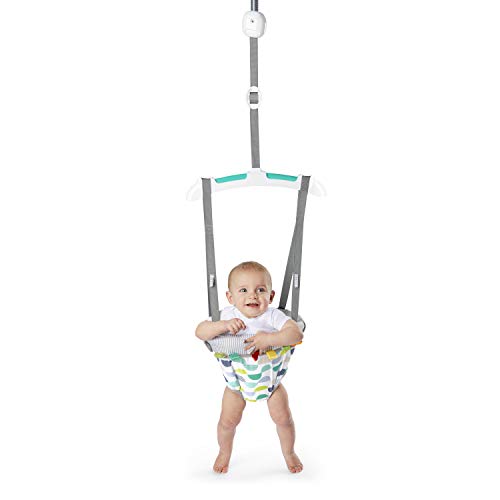
A baby jumper is an activity center designed to let your little one bounce, spin, and play while safely suspended in a supportive seat. Also known as a baby bouncer or activity jumper, it helps develop leg strength, coordination, and provides sensory stimulation. Unlike baby walkers, jumpers keep your baby in a stationary position, reducing the risk of falls down stairs or into dangerous areas.
Most babies love the freedom of movement a jumper provides. The combination of bouncing, turning, and playing with attached toys can keep them entertained for 15-20 minutes at a time, giving you a much-needed break while they exercise and explore.
Top Benefits of Using a Baby Jumper
🦵 Leg Strengthening
Bouncing helps build muscle tone in legs, preparing baby for crawling and walking. The repetitive motion improves coordination and balance.
🧠 Sensory Development
Most jumpers come with interactive toys, lights, and sounds that stimulate visual, auditory, and tactile senses, promoting cognitive growth.
🕒 Independent Play
Jumpers give babies a safe space to play independently, fostering self-confidence and giving parents a few moments to attend to other tasks.
⚖️ Spatial Awareness
Spinning and turning in a jumper helps babies understand their body in space, which is crucial for later developmental milestones like walking.
Baby Jumper Safety: Essential Tips for Parents
While baby jumpers are generally safe, following proper safety guidelines is crucial. Here are the most important safety tips to keep in mind:
- Wait for the Right Age: Only use a jumper when your baby can hold their head up unassisted (usually around 4-6 months). Never use a jumper for babies under 4 months.
- Check Weight Limits: Always follow the manufacturer's weight and height recommendations. Most jumpers support up to 25-30 pounds.
- Limit Session Time: Keep jumper sessions to 15-20 minutes, no more than twice a day. Prolonged use can put strain on developing hips and legs.
- Secure the Jumper Properly: If using a doorway jumper, ensure the clamp is securely attached to the door frame. For freestanding jumpers, make sure all locks and clips are engaged.
- Clear the Area: Ensure the jumping area is free of sharp objects, furniture edges, and other hazards. Keep a 3-foot clearance around the jumper.
- Always Supervise: Never leave your baby unattended in a jumper. Stay within arm's reach to intervene quickly if needed.
For additional safety practices, consider reading our guide on safe sleep practices and baby-proofing your home to create a comprehensive safe environment for your little one.
How to Choose the Best Baby Jumper: Key Features to Consider
With so many options on the market, choosing the right baby jumper can be overwhelming. Here are the key features to evaluate before making your purchase:
1. Type of Jumper
Freestanding Jumpers: These sit on the floor and include a frame with a suspended seat. They are stable, portable, and often include more toy stations. Ideal for homes with limited door frames.
Doorway Jumpers: These clamp onto a door frame and use a strong spring or bungee cord. They are space-saving and often cheaper, but require a sturdy door frame and proper installation.
2. Seat Design & Comfort
Look for a seat that is well-padded, breathable, and offers good support for your baby's back and head. A 360-degree rotating seat is a plus, allowing your baby to explore the toy stations from all angles. Removable and washable seat covers are essential for easy cleaning.
3. Height Adjustability
Your baby will grow quickly, so choose a jumper with multiple height settings. This ensures the jumper grows with your child and that their feet can rest flat on the floor (or just touch the ground) in the lowest setting.
4. Toy Stations & Activities
Interactive toys with lights, sounds, and textures keep babies engaged. Look for detachable toys that can be rotated or replaced for variety. Some jumpers even include teethers, rattles, and mirrors.
5. Portability & Storage
If you plan to move the jumper around the house or take it on trips, consider a lightweight, foldable model. Freestanding jumpers with wheels are easier to move from room to room.
6. Safety Certifications
Always check for safety certifications like JPMA (Juvenile Products Manufacturers Association) or ASTM (American Society for Testing and Materials). These ensure the product meets strict safety standards.
Comparison: Freestanding vs. Doorway Jumpers
| Feature | Freestanding Jumper | Doorway Jumper |
|---|---|---|
| Portability | ✅ Easy to move | ❌ Fixed to doorway |
| Space Required | 🟡 Moderate floor space | ✅ Minimal space (doorway) |
| Toy Stations | ✅ Usually 4+ activities | 🟡 Limited or none |
| Price Range | $80–$250 | $30–$70 |
| Installation | ✅ Simple assembly | 🟡 Requires sturdy door frame |
For families with limited space, a baby bouncer or baby rocker might be an alternative, but they don't offer the same bouncing action and developmental benefits for leg muscles.
When to Stop Using a Baby Jumper
Discontinuing use of a baby jumper is just as important as knowing when to start. Here are signs it's time to retire the jumper:
- Weight Limit Exceeded: Once your baby reaches the maximum weight (usually 25-30 lbs), stop using the jumper immediately.
- Head Height: If your baby's head is close to the top of the frame or they can easily reach the floor with flat feet in the lowest setting, it's time to stop.
- Signs of Readiness to Walk: If your baby is pulling up to stand and showing signs of walking, encourage floor play instead of jumping.
- Loss of Interest: If your baby seems frustrated or bored in the jumper, respect their cues and transition to other activities.
After stopping, consider introducing toys for 1-year-olds or toddler food options to support their next stage of development.
Frequently Asked Questions About Baby Jumpers
Q: Are baby jumpers bad for hips or development?
A: When used correctly and in moderation (15-20 minutes per session), jumpers are not harmful. However, prolonged or excessive use can stress developing hips and legs. Always follow the manufacturer's guidelines and consult your pediatrician if you have concerns.
Q: Can a baby sleep in a jumper?
A: No. Jumpers are not designed for sleep. Babies should never be left to sleep in a jumper or any other device that doesn't meet safe sleep standards. Always transfer your baby to a crib or bassinet for naps and nighttime sleep.
Q: Can jumpers be used for babies with colic?
A: Some parents find that the gentle bouncing motion can soothe a colicky baby. However, always consult your pediatrician and ensure the jumper is not used as a calming device for extended periods.
Q: Are doorway jumpers safe?
A: Yes, when properly installed and used with supervision. Ensure the door frame is sturdy and the clamp is tightly secured. Never use a doorway jumper in a doorway that leads to stairs or a hazardous area.
Final Verdict: Is a Baby Jumper Worth It?
A baby jumper can be a fantastic addition to your baby gear collection, offering developmental benefits, entertainment, and a safe space for independent play. By choosing a model that suits your space, budget, and your baby's needs, and by following all safety guidelines, you can maximize the value of this product.
Whether you opt for a freestanding activity center or a simple doorway jumper, prioritize safety, comfort, and your baby's enjoyment. As your little one grows and reaches new milestones, remember that no piece of baby gear replaces active floor play and parent interaction.
For more expert guidance on baby essentials, explore our comprehensive baby gear guides and registry checklists to ensure you're fully prepared for parenthood.