Best Baby Walker Guide
Find the perfect baby walker for your little one. Our expert guide covers safety tips, types, reviews, and essential buying advice to help you make the right choice.
Start ReadingWhat is a Baby Walker?
A baby walker is a device designed to help infants who are not yet able to walk on their own. It typically consists of a wheeled base with a suspended seat that allows the baby to sit and move around by pushing off the floor with their feet. Baby walkers are popular among parents as they can provide entertainment and mobility for babies, but they also come with important safety considerations that every parent should understand.
Choosing the right baby walker is not just about finding a product that looks fun or has attractive features. It's about ensuring your baby's safety while they explore their environment and develop their motor skills. This guide will walk you through everything you need to know to make an informed decision.
Important Note: Always prioritize safety when choosing a baby walker. Ensure the product meets current safety standards and is used under adult supervision. Refer to our Safe Sleep 7 guide for more on creating a safe environment for your baby.
Complete Baby Walker Buying Guide
This comprehensive buying guide will help you navigate the various options available in the market. From understanding the different types of baby walkers to recognizing key safety features, we've got you covered. We'll also share expert tips on how to choose the best walker for your baby's developmental stage and your lifestyle.
Types of Baby Walkers
Baby walkers come in several varieties, each designed to suit different needs and preferences. Here's a breakdown of the most common types:
Traditional Walkers
These are the classic wheeled walkers with a seat. They are great for babies who are ready to move around, but require careful supervision. Priced around $40–$100.
Activity Walkers
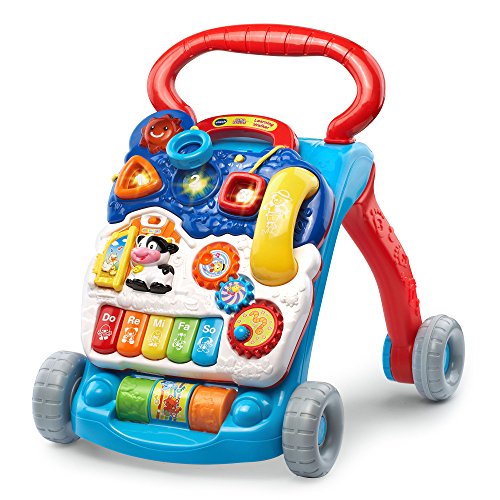
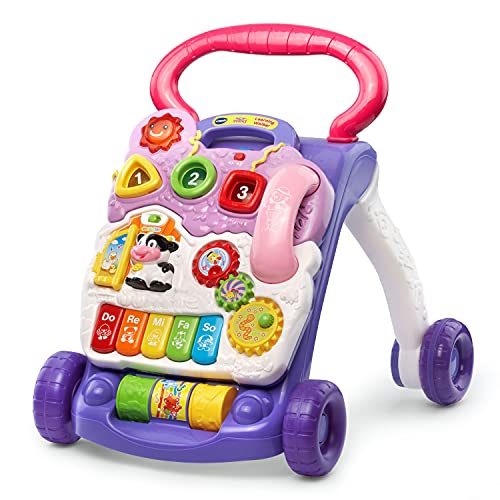
These walkers come with built-in toys, lights, and sounds to keep your baby entertained while they move. Prices range from $50–$150.
Convertible Walkers
These versatile walkers can be converted into a stationary activity center or a push walker, providing extended use as your baby grows. Typically priced around $80–$200.
Sit-to-Stand Walkers
Designed to encourage your baby to pull up and stand, these walkers often feature a handle bar for pushing. They are perfect for babies transitioning to walking. Price range: $30–$80.
Key Safety Features to Look For
When shopping for a baby walker, safety should be your top priority. Look for the following features to ensure your baby's well-being:
- Sturdy Construction: The walker should have a wide, stable base to prevent tipping.
- Safety Brakes: Some walkers come with brakes that stop the walker when it reaches the edge of a step.
- Weight Capacity: Ensure the walker can support your baby's weight safely.
- Non-slip Grips: The wheels should have a grip or be designed to slow down on smooth surfaces.
- Adjustable Height: The seat height should be adjustable to accommodate your baby's growth.
- Safe Materials: The walker should be made from non-toxic, BPA-free materials.
For more safety tips, check out our guide on Baby Proofing Tools to ensure your entire home is safe for your little explorer.
Top Features to Consider
Beyond safety, consider these additional features that can enhance your baby's experience and your convenience:
- Interactive Toys: Lights, sounds, and detachable toys can keep your baby engaged and help with their development.
- Easy to Clean: Look for a walker with a removable and washable seat cover for easy maintenance.
- Compact Design: If you have limited space, consider a walker that folds for easy storage.
- Height Adjustment: Multiple height settings ensure the walker grows with your baby.
Expert Tip: Combine your baby walker with other developmental toys like a baby jumper or baby bouncer for a well-rounded playtime experience.
Baby Walker Safety & Usage Tips
Using a baby walker safely is crucial to prevent accidents and injuries. Follow these expert tips to ensure your baby has a fun and safe experience:
- Supervision is Key: Never leave your baby unattended in a walker. Always keep them within your line of sight.
- Check the Environment: Clear the area of obstacles like cords, furniture with sharp corners, and small objects that could be tripping hazards.
- Block Stairs and Steps: Use baby gates to block access to stairs and other dangerous areas.
- Limit Usage Time: It's recommended to limit walker use to 15-20 minutes at a time to prevent overexertion.
- Check Weight Limits: Regularly check that your baby is within the walker's weight limit to ensure stability and safety.
- Inspect Regularly: Check the walker for any loose parts, worn-out wheels, or damage that could affect safety.
For more information on creating a safe home environment, read our guide on Baby Proofing Tools.
Types of Baby Walkers: A Detailed Comparison
Understanding the nuances between different types of baby walkers can help you make the best choice for your child. Here’s a closer look at the most popular types available:
Traditional Baby Walkers
These are the classic designs that feature a wheeled base with a suspended seat. They are simple, affordable, and effective at giving your baby mobility. However, they require the most supervision due to their speed and the potential for tipping. Prices typically range from $40 to $100.
Activity Center Walkers
These walkers combine mobility with a built-in activity center filled with toys, lights, and sounds. They are excellent for keeping your baby entertained while they develop motor skills. The interactive features can also aid in cognitive development. Expect to pay between $50 and $150.
Convertible Walkers
Convertible walkers offer the best value for money as they can transform from a walker to a stationary activity center or a push walker. This versatility extends the product's lifespan and provides different modes of play as your baby grows. These are usually priced between $80 and $200.
Sit-to-Stand Walkers
These walkers are designed to encourage your baby to pull up to a standing position and take their first steps. They often feature a handle bar for pushing and can be a great transition tool from crawling to walking. Prices range from $30 to $80.
If you're also looking for other mobility aids, consider our guide on Baby Carriers for hands-free parenting, or check out Strollers Guide for traveling with your little one.
Age and Developmental Milestones for Baby Walkers
Knowing when and how to introduce a baby walker is just as important as knowing which one to buy. Understanding your baby's developmental milestones will help you use the walker at the right time and in the right way.
When to Introduce a Baby Walker
Most experts recommend introducing a baby walker around the age of 6 to 7 months. At this age, babies typically have good head control and are starting to sit up with support. They are also beginning to show interest in their environment and have the leg strength to push off the floor.
However, it's crucial to ensure your baby is developmentally ready. Avoid using a walker before they can sit up independently, as this can hinder their natural development and increase the risk of accidents.
Developmental Milestones to Consider
- Head Control: Your baby should be able to hold their head up steadily without support.
- Trunk Strength: They should be able to sit up with minimal support, indicating good core strength.
- Leg Strength: Your baby should be actively kicking and pushing with their legs when held in a standing position.
- Interest in Movement: If your baby is showing curiosity about moving around and exploring, it's a good sign they are ready.
While using a baby walker, it's essential to incorporate other types of play to support your baby's overall development. Consider adding Baby Toys (6-12m) to encourage tummy time and crawling, which are crucial for muscle development and coordination.
Remember: A walker is a tool for fun and mobility, not a training device for walking. Walking is a complex skill that requires time and practice. Baby Milestones guide provides a comprehensive overview of what to expect in your baby's first year.
Benefits of Baby Walkers
Despite the controversy, baby walkers offer several developmental benefits when used safely and appropriately. Here are some of the key advantages:
- Enhanced Mobility: Walkers give babies the freedom to explore their surroundings, which can be both fun and educational.
- Motor Skill Development: Pushing off the floor and moving around helps build leg and core muscles.
- Spatial Awareness: Moving around in a walker helps babies develop a better understanding of space and distance.
- Hand-Eye Coordination: Many activity walkers come with toys that encourage reaching, grasping, and interacting, which improves hand-eye coordination.
- Visual Stimulation: The movement and interactive elements provide visual stimulation that can aid in cognitive development.
- Sense of Independence: Allowing babies to move independently can boost their confidence and sense of achievement.
To further support your baby's development, consider using a Activity Centers and other play equipment that encourages exploration and learning.
Potential Risks and Controversies
It's important to address the potential risks and controversies surrounding baby walkers to make a fully informed decision. While they offer benefits, there are also significant concerns that every parent should be aware of.
Common Risks
- Injuries from Falls: Walkers can move quickly, leading to falls down stairs or collisions with furniture.
- Delayed Development: Some studies suggest that prolonged walker use can delay motor development, as it allows babies to move before they are ready to sit or stand on their own.
- Limited Exploration: Walkers restrict a baby's ability to explore their environment in a natural way, potentially limiting their learning opportunities.
- Safety Hazards: Walkers can allow babies to access areas that are normally out of reach, exposing them to dangerous objects or substances.
Controversies and Recalls
Baby walkers have been a subject of controversy for decades, with some organizations even calling for a ban on their sale. In the U.S., the American Academy of Pediatrics (AAP) strongly discourages the use of baby walkers due to the high risk of injury. Several models have been recalled over the years for safety violations.
If you still choose to use a baby walker, it is imperative to follow all safety guidelines, use it in a safe environment, and never leave your baby unattended.
Important: Always check for product recalls and ensure your baby walker meets the latest safety standards. For alternative mobility aids, consider a baby playpen or a baby jumper that may offer safer play options.
Frequently Asked Questions (FAQs)
Are baby walkers safe?
When used correctly and with strict supervision, baby walkers can be safe. However, they are associated with high rates of injury, so it is crucial to follow safety guidelines, use them in a safe environment, and always supervise your baby.
What age is appropriate for a baby walker?
Most walkers are recommended for babies between 6 and 12 months of age. However, it's essential to check the manufacturer's recommendations and ensure your baby has good head control and can sit up with support.
Can baby walkers delay walking?
Some studies suggest that prolonged walker use can delay motor development. It's best to use walkers in moderation and encourage other activities like tummy time and crawling.
How long can a baby use a walker?
It is generally recommended to limit walker use to 15-20 minutes at a time. Regular breaks allow your baby to explore and develop motor skills in other ways.
What are the best alternatives to baby walkers?
Safer alternatives include stationary activity centers, baby playpens, baby jumpers, and push walkers or sit-to-stand walkers that encourage walking without wheels.
Ready to Choose the Perfect Baby Walker?
Browse our recommended products below and find the best walker for your little one. Always prioritize safety and choose a product that meets your baby's needs.
View Recommended Products