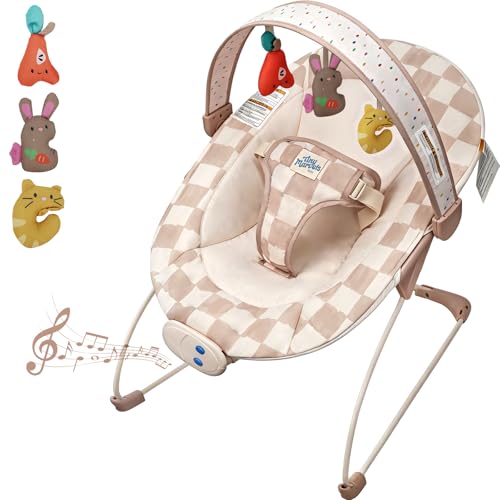
Best Baby Bouncer Guide – Reviews & Buying Tips
Discover the perfect baby bouncer for your little one. Expert reviews, safety tips, and top picks to keep your baby entertained and comfortable.
SHOP TOP BOUNCERSWhat Is a Baby Bouncer and Why Do You Need One?
A baby bouncer is a must-have piece of baby gear that provides a safe, comfortable, and entertaining space for your little one. Unlike a baby swing or baby rocker, a bouncer features a flexible frame that gently bounces in response to your baby's movements, helping to soothe and entertain them while giving you a much-needed break.
Baby bouncers are designed for infants from birth up to approximately 6-9 months (or until they can sit up unassisted). They are lightweight, portable, and take up minimal space, making them an excellent choice for parents who want to keep their baby close by during daily activities.
Did You Know? A good baby bouncer can help develop your baby's motor skills, provide sensory stimulation, and even assist with digestion. Many parents find that their baby falls asleep more easily in a bouncer thanks to the gentle rocking motion.
Key Benefits of Using a Baby Bouncer
Soothing Motion
The gentle bouncing motion mimics the rhythmic movement your baby experienced in the womb, providing comfort and helping to calm fussy babies.
Hands-Free Convenience
Keep your baby safely entertained while you cook, clean, or work. A bouncer allows you to be hands-free without compromising your baby's comfort.
Developmental Support
The upright position helps babies develop neck and core strength as they try to hold their head up and look around at their surroundings.
Portability
Most baby bouncers are lightweight and foldable, making it easy to move from room to room or take with you when traveling.
Types of Baby Bouncers
Understanding the different types of baby bouncers available will help you choose the best one for your needs:
Traditional Frame Bouncers
These are the most common type of bouncer, featuring a sturdy metal or plastic frame with a fabric seat. They often come with interactive toys or a toy bar to keep your baby entertained. Prices typically range from $40–$100.
Portable/Travel Bouncers
Designed for parents on the go, these bouncers are ultra-lightweight and fold flat for easy storage and transport. They are perfect for traveling or moving between rooms. Prices range from $30–$70.
Electronic/Vibrating Bouncers
These bouncers come with built-in vibration and sometimes music or nature sounds to help soothe your baby. Some models even have automatic rocking features. Prices range from $80–$150.
Convertible Bouncers
Some bouncers convert into toddler chairs or rockers, extending their usability as your baby grows. Prices range from $70–$130.
Baby Bouncer Comparison: Which One Is Right for You?
| Type | Best For | Key Feature | Price Range |
|---|---|---|---|
| Traditional Frame | Everyday home use | Interactive toys, stable frame | $40–$100 |
| Portable/Travel | Travel & small spaces | Lightweight, folds flat | $30–$70 |
| Electronic/Vibrating | Fussy or colicky babies | Vibration, music, automatic rocking | $80–$150 |
| Convertible | Long-term use | Converts to toddler chair | $70–$130 |
How to Choose the Best Baby Bouncer
When shopping for a baby bouncer, consider these important factors to ensure you make the right choice:
1. Safety Features
Safety should always come first. Look for a bouncer with a sturdy, stable base and a wide footprint to prevent tipping. Ensure the harness system is secure and easy to use. Always check the weight limit and age recommendations.
2. Comfort
Choose a bouncer with a padded, breathable seat that provides adequate head and neck support for newborns. Recline positions can also add to your baby's comfort.
3. Portability and Size
If you plan to move the bouncer around the house or take it with you, opt for a lightweight model that folds flat. Consider your available space and storage needs.
4. Entertainment Features
Many bouncers come with a toy bar with hanging toys, mirrors, or lights. These features can help stimulate your baby's senses and keep them engaged.
5. Ease of Cleaning
Babies can be messy. Choose a bouncer with a removable, machine-washable cover for easy cleaning.
Pro Tip: Always read customer reviews to learn about real-world experiences. Pay attention to comments about durability, ease of use, and how well the bouncer actually soothes babies.
Pros and Cons of Baby Bouncers
✅ Pros
- Provides soothing motion that calms babies
- Lightweight and portable
- Frees up your hands for other tasks
- Helps with sensory development
- Compact and easy to store
- More affordable than swings or rockers
❌ Cons
- Limited lifespan (up to 6-9 months)
- Some babies may not enjoy the bouncing motion
- Requires supervision at all times
- May not be suitable for babies with certain medical conditions
- Some models lack advanced features like vibration
Important Safety Guidelines
Your baby's safety is paramount. Follow these important safety guidelines when using a baby bouncer:
- Never leave your baby unattended in a bouncer, especially if they are very young.
- Always use the harness – even if your baby is sleeping. The harness prevents falls and keeps your baby secure.
- Place the bouncer on a flat, stable surface – never on an elevated surface like a table or couch.
- Follow the weight limit – check the manufacturer's guidelines and stop using the bouncer when your baby exceeds the recommended weight or can sit up unassisted.
- Check for safety recalls – regularly verify that your bouncer model hasn't been recalled.
Important: A baby bouncer is not a substitute for a safe sleep environment. Never let your baby sleep in a bouncer for extended periods or overnight. Always transfer your baby to a firm, flat surface like a crib or bassinet for sleep.
Frequently Asked Questions About Baby Bouncers
You can use a baby bouncer from birth (if it offers proper head and neck support) up until your baby reaches the weight limit or can sit up unassisted, typically around 6-9 months. Always check the manufacturer's guidelines for specific recommendations.
It's recommended to limit bouncer sessions to 20-30 minutes at a time, up to 2-3 times per day. Prolonged use can put pressure on your baby's spine and hips. Always supervise your baby while they are in the bouncer.
Some parents find that the gentle bouncing motion of a baby bouncer helps soothe colicky babies. The upright position may also aid with digestion and reduce gas. However, every baby is different, and results may vary. If your baby has severe colic, always consult with your pediatrician.
Yes, baby bouncers are generally safe for newborns, provided that the model offers adequate head and neck support. The recline angle should be suitable for a newborn's developing spine and head control. Always follow the manufacturer's guidelines and never leave your newborn unattended.
Extended periods in any container (bouncer, swing, car seat) can contribute to flat head syndrome. To prevent this, limit bouncer sessions to 20-30 minutes, provide plenty of tummy time when your baby is awake, and alternate the direction you place your baby in the bouncer to encourage head movement.
Final Thoughts: Is a Baby Bouncer Right for You?
A baby bouncer is a valuable addition to your baby gear collection, offering a safe and comfortable space for your little one while giving you the freedom to multitask. Whether you choose a traditional frame bouncer, a portable travel model, or an electronic version with extra features, the right bouncer can make a world of difference in your daily routine.
When selecting a bouncer, prioritize safety, comfort, and features that suit your lifestyle. Consider the space you have available, your budget, and how you plan to use the bouncer. By making an informed choice, you'll ensure both you and your baby enjoy the benefits of this versatile baby gear essential.
Ready to find the perfect baby bouncer? Browse the recommended products below, curated by our experts to help you make the best choice for your family.