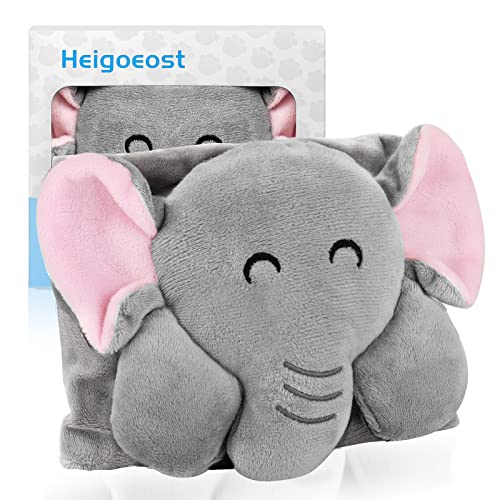
Colic Baby: Causes, Symptoms & Effective Relief
Discover proven strategies and the best products to soothe your colicky baby. Find comfort and peace of mind with our comprehensive guide.
SHOP SOOTHING PRODUCTS💡 Understanding Colic: Colic is defined as excessive, inconsolable crying in an otherwise healthy baby, typically lasting for more than three hours a day, three days a week, for three weeks or more. While the exact cause is unknown, we're here to help you navigate this challenging phase with expert advice and the right products.
What is Colic in Babies?
Colic is a common condition that affects up to 20% of infants, characterized by frequent, prolonged, and intense crying or fussiness. It usually starts around the second or third week of life, peaks at about six weeks, and typically resolves on its own by three to four months of age. While the crying can be distressing for parents, it's important to remember that colic is not a sign of illness or a reflection of your parenting. It's a temporary phase that most babies outgrow.
Common Signs and Symptoms
- Intense Crying: Crying that is louder and more high-pitched than usual, often occurring in the late afternoon or evening.
- Inconsolable: Crying that doesn't seem to stop, even after feeding, burping, or changing diapers.
- Physical Signs: Your baby may clench their fists, arch their back, pull their legs up to their tummy, or pass gas.
- Predictable Timing: The crying often starts at the same time each day, frequently in the early evening.
What Causes Colic?
The exact cause of colic remains a mystery, but several theories exist. It may be related to gastrointestinal discomfort, such as gas or an immature digestive system. Some experts believe it's linked to a baby's developing nervous system or sensitivity to external stimuli like light and sound. Food allergies or intolerances (especially in formula-fed babies) could also play a role. Although the cause is uncertain, there are many effective ways to soothe your baby and manage the symptoms.
Effective Colic Relief Strategies
While there's no single "cure" for colic, a combination of soothing techniques and the right products can make a significant difference. Here are some of the most recommended strategies:
Swaddling & Motion
Swaddling mimics the snugness of the womb, while gentle rocking or swinging can be incredibly calming for a fussy baby.
White Noise
Continuous, soothing sounds like white noise or a vacuum cleaner can help drown out other stimuli and lull your baby to sleep.
Warm Baths
A warm bath can relax your baby's muscles and provide a soothing distraction from discomfort.
Burping & Tummy Massage
Frequent burping during and after feedings and gentle tummy massages can help relieve gas and digestive pressure.
Choosing the Right Products for Colic Relief
When it comes to managing colic, the right baby products can be a game-changer. From specialized bottles designed to reduce gas to baby bouncers that provide soothing vibrations, there are many options to explore. Some parents find that using a baby pillow for proper positioning or a baby wrap to keep their little one close helps. Our curated list below features some of the best-rated products on the market specifically aimed at providing colic relief. For more information on general baby care, you might also find our guides on baby sleep and diaper rash helpful.
Expert Tips for Coping with Colic
Dealing with a colicky baby is emotionally and physically exhausting. Here are some expert tips to help you cope:
- Take Breaks: It's okay to put your baby in a safe place and step away for a few minutes to collect yourself. Your well-being is just as important.
- Ask for Help: Don't hesitate to ask your partner, family, or friends for support. Even a short break can make a world of difference.
- Trust Your Instincts: If something doesn't feel right, or if your baby is crying more intensely than usual, always consult your pediatrician to rule out any underlying medical issues.
- Remember, This is Temporary: Colic rarely lasts longer than three to four months. Remind yourself that this challenging phase will pass, and you're doing a great job.
We hope this guide provides you with the knowledge and confidence to navigate the colic phase. For a more comprehensive look at baby care essentials, feel free to explore our other baby stuff guides.