Yeast Infection Diaper Rash Treatment: Complete Guide for Parents
Yeast diaper rash (candidal dermatitis) is a common fungal infection that causes bright red, persistent diaper rash. This comprehensive guide covers everything from identifying the symptoms to the most effective treatments, including prescription antifungal creams, natural remedies, and proven prevention strategies to keep your baby comfortable and rash-free.
What Is a Yeast Infection Diaper Rash?
Unlike a standard diaper rash caused by friction or moisture, a yeast infection diaper rash (also called Candida diaper dermatitis) is caused by an overgrowth of the fungus Candida albicans. This fungus thrives in warm, moist environments—making the diaper area a perfect breeding ground. The rash typically appears as bright red, slightly raised patches with small red satellite bumps (pustules) around the edges. It can be painful and persistent, often not responding to regular diaper rash creams.
If your baby has been on antibiotics, or if you're breastfeeding and taking antibiotics, the risk of yeast diaper rash increases. Also, babies with frequent stools or those who wear diapers for extended periods are more susceptible. Recognizing the signs early is key to effective yeast infection diaper rash treatment and preventing complications.
How to Identify Yeast Diaper Rash
- Color & Texture: Bright red, shiny, or slightly scaly skin. The rash often starts in the creases (skin folds) and spreads outward.
- Satellite Lesions: Small red bumps or pustules that appear at the edges of the main rash—a hallmark of fungal infection.
- Persistence: Does not improve with standard diaper rash creams containing zinc oxide or petroleum.
- Location: Primarily in the diaper area, including the genitals, buttocks, and upper thighs.
- Discomfort: Baby may be fussier during diaper changes, and the skin may feel warm to the touch.
If you notice these symptoms, it's important to start appropriate treatment promptly. Many parents find that traditional diaper rash creams are ineffective, which is why understanding the specific yeast infection diaper rash treatment options is crucial.
Most Effective Yeast Infection Diaper Rash Treatments
Treating a yeast diaper rash requires antifungal medication, along with good diaper hygiene. Here are the most recommended approaches:
1. Over-the-Counter Antifungal Creams
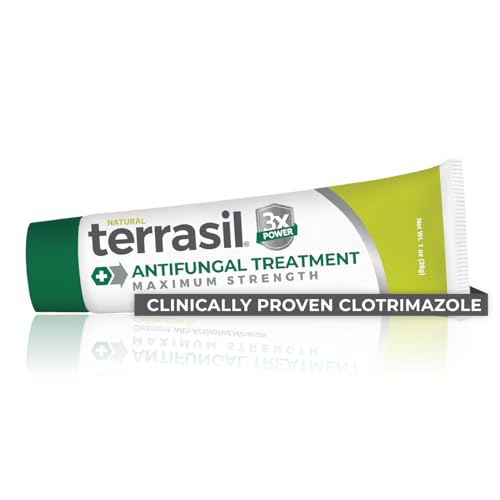
For mild to moderate yeast diaper rashes, OTC antifungal creams are often the first line of defense. Look for active ingredients like clotrimazole (1%) or miconazole (2%). Apply a thin layer to the affected area 2–3 times daily. These creams are effective and safe for babies when used as directed. For a comprehensive overview of antifungal options, see our OTC Diaper Rash Treatment Guide.
2. Prescription Antifungal Medications
In more severe or persistent cases, a pediatrician may prescribe stronger antifungal creams like nystatin or oral fluconazole. Nystatin is often the first-choice prescription for babies because it's well-tolerated and specifically targets Candida. Always consult your pediatrician before starting any prescription treatment.
3. Natural and Home Remedies
Many parents seek natural remedies to complement medical treatment. While not a substitute for antifungals, the following can help soothe the skin and create an environment less favorable for yeast growth:
- Coconut Oil: Contains caprylic acid, which has natural antifungal properties. Use pure, unrefined coconut oil as a barrier.
- Apple Cider Vinegar Bath: Add 1–2 tablespoons to lukewarm bath water to help restore skin pH (always dilute well).
- Yogurt (plain, unsweetened): Contains probiotics that can help fight yeast. Apply a thin layer to the rash or add to baby's diet (if over 6 months).
For a deeper dive into natural options, read our article on Natural Remedies for Yeast Diaper Rash.
4. Antifungal Diaper Rash Creams
Some creams combine antifungal agents with skin protectants. These are particularly useful because they treat the infection while also providing a barrier against moisture. Look for products specifically formulated for babies. Our Diaper Rash Cream for Yeast Infection guide can help you choose the best option.
Preventing Yeast Diaper Rash: Tips for Parents
Prevention is always better than cure. Here are practical steps to reduce the likelihood of a yeast diaper rash:
- Change Diapers Frequently: Aim to change wet or soiled diapers every 2–3 hours, or as soon as possible.
- Keep the Area Dry: After cleaning, pat the skin dry with a soft cloth or allow it to air-dry before putting on a fresh diaper.
- Use Barrier Creams: Apply a thin layer of diaper cream with zinc oxide or petroleum jelly at every change to protect the skin.
- Choose Breathable Diapers: Opt for diapers with good absorbency and breathability. Avoid tight-fitting diapers or plastic pants.
- Probiotics for Baby: If your baby is old enough, consider probiotic supplements to help maintain a healthy balance of gut flora.
For additional tips on managing diaper rash, you might find our article on Fastest Way to Get Rid of Diaper Rash helpful.
When to Consult a Pediatrician
While most yeast diaper rashes can be managed at home, there are situations where professional medical advice is necessary:
- The rash doesn't improve after 3 days of antifungal treatment.
- The rash is severe, with widespread blisters, open sores, or bleeding.
- Your baby develops a fever or appears lethargic.
- The rash spreads beyond the diaper area (to the tummy, back, or face).
- Your baby is under 6 weeks old.
Your pediatrician may prescribe a stronger antifungal or recommend additional testing if they suspect a bacterial superinfection. Remember, proper diagnosis is essential for effective yeast infection diaper rash treatment.
Shop Top-Rated Yeast Diaper Rash Treatments
Find the most effective antifungal creams, natural remedies, and prevention products recommended by pediatricians and parents.
Explore Recommended Products ↓Frequently Asked Questions (FAQs)
Q: Can I use Monistat for my baby's diaper rash?
A: Monistat (miconazole) is an antifungal that can be used for yeast diaper rash, but it's important to use the correct strength (2%) and apply sparingly. Always consult your pediatrician before using any medication on a baby under 2 months old.
Q: How long does it take for a yeast diaper rash to clear?
A: With proper antifungal treatment, you should see improvement within 2–3 days. The rash typically clears completely in 7–10 days. If not, see your doctor.
Q: Can breastfeeding cause yeast diaper rash?
A: Yes, if you're taking antibiotics, it can increase the risk. Also, if you have a yeast infection on your nipples, your baby may develop oral thrush, which can then cause a yeast diaper rash.
Q: Is a yeast diaper rash contagious?
A: The yeast that causes diaper rash is naturally present in the body. It's not highly contagious, but good hygiene (hand washing) is recommended to prevent spreading to other areas of the baby's skin or to other family members.