Diaper rash is one of the most common skin issues in infants—nearly every baby experiences it at some point. The good news: with the right approach, most cases clear up quickly. This guide explains the fastest way to get rid of diaper rash, from identifying the cause to choosing the right barrier cream and knowing when home care isn't enough.
What Diaper Rash Is and Why It Happens
Diaper rash (diaper dermatitis) is inflammation of the skin in the diaper area. It typically appears as red, irritated patches on the buttocks, thighs, or genitals. The skin may look shiny, feel warm, and in more severe cases develop small bumps or open spots.
The primary trigger is prolonged exposure to moisture, combined with friction from the diaper and irritation from urine and stool. When the skin's natural barrier breaks down, enzymes in waste can further irritate the surface—creating a cycle that worsens without intervention.
Quick fact: The single most effective first step is keeping the diaper area clean and dry. Many mild cases begin improving within 24–48 hours simply by increasing diaper-free time and applying a protective barrier at every change.
Common Causes and How to Identify Them
Not all diaper rashes are the same. Identifying the cause helps you choose the right treatment and speed up recovery.
| Type | Typical Appearance | Best First Response |
|---|---|---|
| Irritant contact dermatitis | Red, flat patches on the buttocks and thighs; concentrated where the diaper touches skin | Frequent changes, gentle cleansing, thick barrier cream |
| Yeast (candida) rash | Beefy-red rash with defined borders, satellite spots; often in skin folds | Antifungal cream recommended by a pediatrician; keep area dry |
| Bacterial infection | Pus-filled bumps, weeping, or honey-colored crusts | Pediatrician evaluation; may require prescription treatment |
| Allergic reaction | Rash appears after a new wipe, diaper brand, or cream; may be itchy | Stop the suspected product; switch to fragrance-free options |
| Teething-related rash | More frequent, looser stools leading to irritation | Extra diaper changes; protective ointment at every change |
The Fastest Diaper Rash Treatment Plan
When parents ask how to clear diaper rash quickly, the answer comes down to a consistent routine. Follow these steps at every diaper change until the skin is fully healed.
- Change diapers frequently. Check every 2 hours and change immediately after a bowel movement. Prolonged contact with stool is the fastest way to worsen irritation.
- Cleanse gently with plain water. Use a soft washcloth or fragrance-free wipes. Avoid rubbing; pat the skin dry rather than wiping. If wipes sting, rinse with lukewarm water instead.
- Let the skin air-dry completely. This is the most underrated step. Give your baby 5–10 minutes of diaper-free time at each change, or use a hair dryer on the cool setting held at a distance.
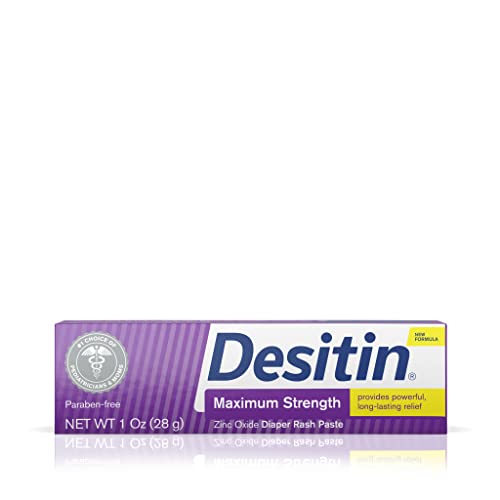
- Apply a thick barrier cream. Use a zinc oxide-based ointment generously—thick enough that you can still see it after the next change. The barrier protects skin from urine and stool while it heals.
- Avoid tight diapers and harsh products. Size up if the diaper leaves marks. Skip powders, fragranced lotions, and alcohol-based wipes until the skin recovers.
- Repeat at every change. Consistency matters more than any single product. Barrier protection should be reapplied at each diaper change, not just once or twice a day.
With this routine, mild irritant rashes often show noticeable improvement within 2–3 days. If you see no progress after 3–4 days of consistent care, reassess whether a yeast or bacterial cause may be involved.
Choosing the Right Barrier Cream
The market offers many options, but the most effective barrier creams share common traits: zinc oxide as the active ingredient, thick consistency, and minimal additives. Here's how the main categories compare.
| Tier | What to Expect | Best For |
|---|---|---|
| Essential tier | Simple petrolatum or basic zinc oxide ointment; fewer ingredients | Mild rashes, daily prevention, sensitive skin |
| Mid-tier | Higher zinc concentration; added soothing ingredients like panthenol or calendula | Moderate irritation, frequent changes, overnight protection |
| Top-tier | Maximum-strength zinc formulas; often thicker and more resistant to moisture | Stubborn rashes, overnight use, healing support |
| Specialty (antifungal) | Contains antifungal agents for yeast-related rash | Confirmed or suspected candida infection—use under pediatric guidance |
When in doubt, start with a fragrance-free, high-zinc ointment. Avoid combination products with added fragrance, essential oils, or alcohol, which can sting irritated skin. For babies with known eczema-prone skin, choose creams formulated for sensitive skin.
Home Remedies That Actually Help
Beyond standard barrier creams, several at-home approaches can speed healing:
- Oatmeal baths: A lukewarm colloidal oatmeal bath can calm inflammation. Keep baths short (5–10 minutes) and pat dry thoroughly afterward.
- Diaper-free time: The single most effective home remedy. Let your baby lie on a waterproof mat with no diaper for 10–15 minutes several times a day.
- Baking soda rinse: A diluted baking soda solution can help neutralize irritants; use sparingly and rinse well.
- Breast milk: Some parents report soothing effects from expressed breast milk applied to mild irritation; always pat dry afterward.
- Soft, breathable diapers: Cloth diapers with breathable covers, or disposable diapers labeled breathable, can reduce moisture buildup. Explore eco-friendly newborn diapers if skin sensitivity is a recurring concern.
Prevention Habits for Long-Term Skin Health
Once the rash clears, prevention keeps it from coming back:
- Change diapers promptly—every 2–3 hours and immediately after bowel movements.
- Apply a thin layer of barrier cream at every change, even when the skin looks healthy.
- Choose fragrance-free wipes or use plain water with soft cloths.
- Allow air-drying time before putting on a fresh diaper.
- Wash hands before and after every change to prevent introducing bacteria or yeast.
- Be cautious with new products—introduce one change at a time so you can identify triggers.
Ready to Build Your Diaper Care Kit?
Explore our curated selection of barrier creams, gentle wipes, and breathable diapers trusted by parents.
View Recommended ProductsWhen to See a Pediatrician
Most diaper rashes respond to home care, but some situations require professional evaluation:
- Rash has open sores, blisters, or pus-filled bumps
- Accompanied by fever or signs of discomfort beyond mild fussiness
- Spreads beyond the diaper area to the abdomen, back, or face
- Does not improve after 3–4 days of consistent treatment
- Recurs frequently, suggesting an underlying cause like a yeast imbalance or allergy
Your pediatrician can confirm whether a prescription antifungal or antibacterial treatment is needed and rule out conditions that mimic diaper rash.
Frequently Asked Questions
How long does it take to clear up diaper rash?
With consistent care—frequent diaper changes, air exposure, and a quality barrier cream—mild diaper rash typically improves within 2 to 3 days. More stubborn cases may take up to a week. If the rash persists beyond a week or worsens, consult your pediatrician.
Is diaper rash contagious?
Most diaper rash is not contagious. However, if the rash is caused by a yeast infection (candida) or a bacterial infection, it can spread to other areas of the skin. Proper handwashing and keeping the affected area clean and dry helps prevent spread.
Can I use baby powder for diaper rash?
Pediatricians generally advise against baby powder because of inhalation risks and the potential to worsen irritation by trapping moisture. Barrier creams and ointments are safer and more effective alternatives.
When should I call the doctor about diaper rash?
Contact your pediatrician if the rash has open sores, blisters, or pus-filled bumps, is accompanied by fever, spreads beyond the diaper area, or does not improve after several days of consistent home treatment.
Can teething cause diaper rash?
Teething itself doesn't directly cause diaper rash, but the increased saliva and changes in eating patterns can lead to looser, more frequent stools—which in turn irritate the skin. Extra diaper changes and barrier protection during teething periods help prevent flare-ups.
Diaper rash is uncomfortable for babies and stressful for parents, but it's also highly treatable. By following a consistent routine—frequent changes, gentle cleansing, thorough drying, and a thick barrier cream—you can resolve most cases quickly and keep your baby's skin healthy. For related guidance on skin-friendly products, see our eczema-friendly baby products and eco-friendly diaper options.