Diaper Rash Cream for Yeast Infection: Complete Buying Guide
Recognize the signs of a yeast diaper rash and learn how to choose the right antifungal cream. Compare ingredients, application tips, and tier-based recommendations to help your baby heal comfortably and safely.
Why this guide matters: A yeast infection diaper rash is not the same as ordinary diaper irritation. Standard barrier creams alone will not resolve it because the underlying cause is a fungal overgrowth, most commonly Candida albicans. Choosing a cream that combines an antifungal agent with a protective barrier is the key to effective treatment. This guide walks you through the differences, the ingredients to look for, and how to apply treatment correctly so you can make a confident purchase decision.
Understanding Yeast Infection Diaper Rash
Yeast diaper rash develops when the warm, moist environment inside a diaper allows Candida yeast to multiply. It often appears after a course of antibiotics, during teething, or when a baby has frequent loose stools. Unlike typical chafing or contact dermatitis, a yeast rash has distinct visual characteristics that set it apart.
Bright Red, Raised Patches
The rash typically presents as vivid red, slightly raised areas with sharply defined borders. The redness is often more intense than ordinary diaper irritation.
Satellite Lesions
Small red bumps or pimples scattered around the perimeter of the main rash are a hallmark sign of yeast overgrowth. These "satellite" spots help distinguish yeast rash from other types.
Persists Despite Barrier Cream
If a rash does not improve after two to three days of consistent zinc oxide barrier cream use, yeast is a likely culprit and an antifungal treatment is needed.
Warm, Moist Skin Folds
Yeast thrives in skin creases and folds. The rash often concentrates in the deepest parts of the diaper area where moisture is trapped.
Types of Diaper Rash Creams for Yeast Infections
Not all diaper creams are formulated to fight yeast. Understanding the three main categories helps you select the right product for your situation.
1. Antifungal Creams (Primary Treatment)
These creams contain active antifungal agents that target the Candida yeast directly. They are the cornerstone of yeast rash treatment. Common active ingredients include clotrimazole, miconazole, and nystatin. Some are available over the counter, while nystatin typically requires a prescription. Antifungal creams are available across the entry-level, mid-range, and premium tiers, with differences mainly in formulation elegance, scent, and additional skin-soothing ingredients.
2. Barrier Creams with Antifungal Properties
These dual-action products combine an antifungal agent with a protective barrier such as zinc oxide or petrolatum. They are convenient because they treat the infection while shielding the skin from further irritation. For moderate cases, a combined formula can simplify the routine. Many mid-range and high-end tier products fall into this category.
3. Plain Barrier Creams (Supportive Role)
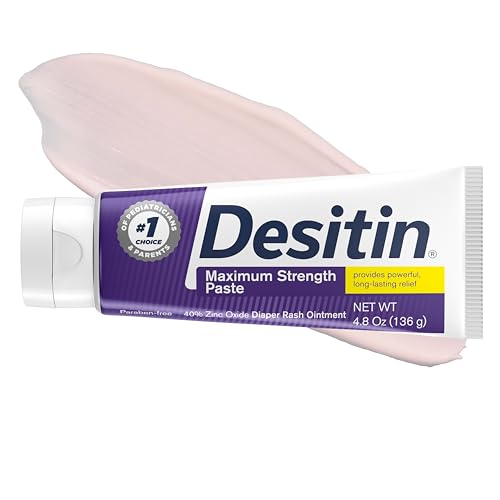
Standard zinc oxide creams do not treat yeast, but they play an important supportive role. Applying a thick barrier layer over the antifungal cream—or using a barrier cream during the maintenance phase after treatment—helps prevent recurrence. Keep in mind that a plain barrier cream alone will not resolve an active yeast infection.
Key Ingredients to Look For
When comparing products, check the active ingredients panel. The table below outlines the most common antifungal agents and their characteristics.
| Ingredient | Category | Best For | Notes |
|---|---|---|---|
| Clotrimazole | Antifungal (OTC) | Broad-spectrum yeast treatment | Widely available in entry-level and mid-range creams; typically applied two to three times daily. |
| Miconazole | Antifungal (OTC) | Yeast and fungal skin infections | Similar efficacy to clotrimazole; found in several mid-tier combination creams. |
| Nystatin | Antifungal (prescription) | Pediatric yeast infections | Requires a doctor's prescription; often recommended for infants and very sensitive skin. |
| Zinc Oxide | Barrier agent | Protection and moisture blocking | Not an antifungal on its own; best used in combination or as a protective layer over treatment. |
| Petrolatum | Barrier agent | Sealing and soothing | Creates a moisture-resistant film; common in premium-tier multi-purpose ointments. |
| Dimethicone | Skin protectant | Reducing friction and irritation | Silicone-based barrier that spreads easily; found in balanced-tier formulations. |
How to Choose the Right Cream
Use the following decision framework to narrow down your options based on your baby's situation and your caregiving preferences.
For First-Line Treatment
Start with a single-ingredient antifungal cream containing clotrimazole or miconazole. These entry-level to mid-range options are straightforward and effective for most mild to moderate yeast rashes.
For Sensitive Skin
Choose a fragrance-free, dye-free formula. Prescription nystatin is often preferred for very young infants or babies with highly reactive skin. Look for products labeled for sensitive skin.
For Convenience
A combination antifungal-plus-barrier cream reduces the number of steps in your diaper change routine. These mid-range to premium products are ideal for busy parents who want a single application.
For Maintenance After Treatment
Once the infection clears, switch to a plain zinc oxide barrier cream to protect the skin and reduce the chance of recurrence. High-end tier barrier creams with dimethicone offer elegant, non-greasy protection.
How to Apply Yeast Rash Cream Correctly
Proper application technique is just as important as product selection. Follow these steps for the best results.
- Clean gently: Use plain water or a fragrance-free wipe to clean the diaper area. Pat dry thoroughly—moisture encourages yeast growth.
- Let skin air-dry: Allow the area to dry completely for a minute or two before applying cream. A hair dryer on the cool setting can help.
- Apply a thin, even layer: Use a clean finger or cotton swab to apply the antifungal cream to the affected area, covering the rash and a small margin beyond the edges.
- Add a barrier layer (if using separate products): If your antifungal cream is not a combination product, apply a thick layer of zinc oxide barrier cream over it.
- Change diapers frequently: Aim for a change every two to three hours and immediately after bowel movements to minimize moisture exposure.
- Wash hands thoroughly: Yeast can spread, so wash your hands before and after each application.
- Complete the full course: Continue treatment for the full recommended duration—typically seven to ten days—even if the rash looks better after a few days.
Product Tier Overview
To help you compare options without focusing on specific figures, here is a tier-based framework you can use when browsing products.
| Tier | Category | Best For | Typical Characteristics |
|---|---|---|---|
| Entry-Level | Single-ingredient antifungal | Straightforward mild cases | Basic clotrimazole or miconazole formula; simple ingredient list; no added fragrances. |
| Mid-Range | Combination antifungal + barrier | Moderate rashes needing convenience | Dual-action formula; includes zinc oxide or petrolatum; often fragrance-free. |
| Premium | Enhanced combination cream | Sensitive skin and frequent recurrence | Antifungal plus multiple soothing agents; elegant texture; minimal ingredient list for sensitive skin. |
| Prescription Tier | Nystatin or specialized antifungal | Infants and stubborn cases | Physician-directed; often recommended when OTC options are insufficient. |
Related Guides on CradleCheck
Explore these related articles to build a complete diapering and baby care strategy:
- Learn about diaper rash cream for sensitive skin if your baby reacts easily to new products.
- Compare options with diaper rash cream with zinc oxide for barrier protection.
- Understand the broader picture with our diaper rash guide covering causes and prevention.
- For adults dealing with similar issues, see diaper rash cream for adults.
- Choose the right diapering supplies with our diapers for sensitive skin guide.
Frequently Asked Questions
How do I know if my baby's diaper rash is a yeast infection?
Yeast infection diaper rash typically appears as a bright red, raised rash with clearly defined borders. It often has satellite lesions—small red bumps surrounding the main rash area. Unlike standard irritation, it tends to worsen with regular barrier creams and may persist for more than three days.
Can I use regular diaper rash cream for a yeast infection?
Regular barrier creams containing zinc oxide are helpful for protecting the skin but will not treat the underlying yeast infection. You need a cream with an antifungal agent such as clotrimazole, nystatin, or miconazole. A combination approach—antifungal treatment plus a barrier layer—is often most effective.
How long does it take for yeast diaper rash to clear up?
With consistent antifungal treatment, yeast diaper rash usually begins improving within two to three days. A full course of treatment typically lasts seven to ten days. Continue applying the cream for the full recommended duration even after symptoms improve, to prevent recurrence.
When should I call the doctor for a yeast diaper rash?
Contact your pediatrician if the rash does not improve after three days of antifungal treatment, if it spreads significantly, if your baby develops a fever, or if there are signs of bacterial infection such as oozing pus or severe swelling. Very young infants under six weeks should be evaluated promptly.
Can I use the same cream for both treatment and prevention?
Antifungal creams are intended for active treatment. For prevention after the infection clears, switch to a plain zinc oxide barrier cream. Using an antifungal cream indefinitely is not recommended unless directed by your pediatrician.