Natural Remedies for Yeast Diaper Rash
Gentle, effective solutions using coconut oil, probiotics, and natural antifungals to soothe your baby’s skin and restore comfort.
Why natural remedies? Yeast diaper rash (caused by Candida) can be stubborn, but natural ingredients like coconut oil, apple cider vinegar, and probiotics offer gentle, antifungal support without harsh chemicals. Always consult your pediatrician before starting any new treatment.
Top Natural Remedies for Yeast Diaper Rash
🥥 Coconut Oil
Rich in caprylic acid and lauric acid, coconut oil has natural antifungal properties that can inhibit Candida growth. Apply a thin layer to clean, dry skin after each diaper change. It also moisturizes and protects the skin barrier.
🦠 Probiotics
Oral probiotics (especially Lactobacillus strains) can help balance your baby’s gut flora, which may reduce yeast overgrowth. You can also mix a probiotic powder with breast milk or formula (follow product instructions).
🍎 Apple Cider Vinegar Bath
Add 1–2 tablespoons of raw, unfiltered apple cider vinegar to a warm bath. The mild acidity helps restore the skin’s natural pH, making it less hospitable for yeast. Limit bath time to 10 minutes and pat dry gently.
🌿 Calendula & Chamomile
Calendula and chamomile have soothing and anti-inflammatory properties. Use a diaper rash cream or ointment containing these herbs, or make a gentle tea rinse (cooled) to apply during diaper changes.
Step-by-Step Care Routine
Consistency is key. Follow this routine to clear yeast diaper rash naturally:
- Frequent changes: Change diapers every 2–3 hours, even at night. Keep the area as dry as possible.
- Gentle cleansing: Use warm water and a soft cloth (avoid wipes with alcohol or fragrance). Pat dry – never rub.
- Apply natural antifungal: After drying, apply a thin layer of coconut oil or a yeast-specific diaper rash cream.
- Air time: Let your baby go without a diaper for 10–15 minutes several times a day to allow the skin to breathe.
- Boost probiotics: Consider a probiotic supplement or yogurt (if age-appropriate) to support internal balance.
If the rash persists after 3–4 days, consult your pediatrician. For more severe cases, you may need over-the-counter antifungal treatments.
When to See a Doctor
🚩 Red Flags
- Rash spreads beyond the diaper area
- Blisters, open sores, or oozing
- Fever or signs of infection
- No improvement after 3 days of natural treatment
If you notice any of these, seek medical advice promptly. Your pediatrician may recommend an antifungal cream or oral medication.
👶 Prevention Tips
- Change diapers frequently
- Use breathable diapers (cloth or super-absorbent disposables)
- Avoid tight-fitting diapers or clothing
- Introduce probiotics early (with pediatrician’s OK)
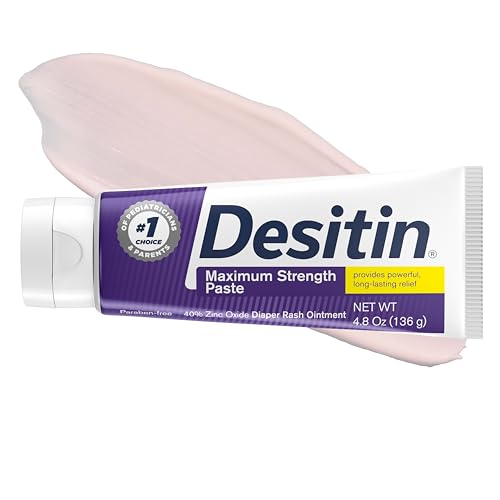
- Use a barrier cream with zinc oxide or natural oils
For more prevention strategies, read our guide on fast diaper rash relief.
Support Your Baby’s Skin Naturally
Beyond direct treatment, overall skin health plays a big role. Consider using breathable mattress protectors to reduce moisture, and choose soft, breathable onesies to prevent friction. For older babies, a comfortable, clean play area can help minimize skin irritation from crawling or sitting.
If you're also dealing with other skin issues, our articles on natural cradle cap remedies and gentle dandruff solutions offer additional insights.
Final Thoughts
Natural remedies for yeast diaper rash can be highly effective when used consistently and correctly. Coconut oil, probiotics, and apple cider vinegar are gentle, safe options that support your baby’s skin microbiome. However, every baby is unique – if natural remedies don't provide relief within a few days, don't hesitate to consult your pediatrician. They may recommend a stronger antifungal ointment or evaluate for other underlying conditions.
Remember, the goal is not just to treat the rash but to prevent future outbreaks. A holistic approach – including frequent diaper changes, air time, and a healthy diet (for breastfeeding moms or older babies) – will keep your little one comfortable and happy.