Proven Ways to Increase Breast Milk Production
Evidence-based strategies to naturally boost your milk supply. From nutrition and hydration to pumping techniques and galactagogues — here's what really works.
Understanding Milk Production
Breast milk production works on a simple principle: supply and demand. The more frequently and effectively milk is removed from the breasts, the more your body produces. However, many new mothers face challenges with low supply due to various factors including stress, improper latch, infrequent feeding, or underlying health conditions.
Fortunately, there are many proven ways to increase breast milk production that can help you build a robust supply. This guide covers the most effective, science-backed strategies — from dietary changes to pumping routines — so you can feed your baby with confidence.
1. Optimize Your Nutrition & Hydration
What you eat and drink directly impacts the quality and quantity of your breast milk. Focus on a balanced diet rich in whole foods, healthy fats, and adequate protein. Staying well-hydrated is essential — aim for at least 3–4 liters of fluids daily.
- Oats & whole grains: Rich in iron and fiber, oats are a traditional galactagogue. Oatmeal for breakfast is a great start.
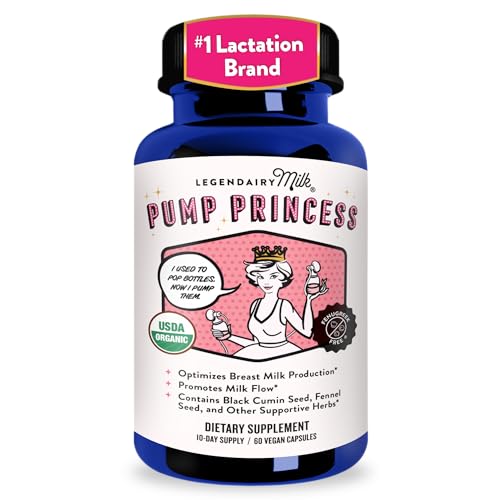
- Fenugreek & fennel: These herbs have been used for centuries to support lactation. They can be consumed as tea, capsules, or added to meals.
- Healthy fats: Include avocados, nuts, seeds, and olive oil to support hormone production and milk fat content.
- Protein-rich foods: Eggs, chicken, fish, legumes, and yogurt help build the building blocks for milk.
- Stay hydrated: Drink water, herbal teas, and milk. Keep a water bottle nearby during feeding sessions.
For a comprehensive list of supply-boosting foods, check out our guide on things to help produce more breast milk. You might also find our tips on healthy weight loss while breastfeeding helpful for maintaining balance.
2. Frequent Feeding & Effective Pumping
The most powerful signal for your body to produce more milk is frequent and thorough emptying of the breasts. Newborns typically feed 8–12 times in 24 hours — this is normal and essential for building supply.
- Feed on demand: Don't wait for a schedule. Watch for early hunger cues like rooting, lip-smacking, or hand-sucking.
- Switch sides: Let baby feed on the first side until they slow down, then offer the second side. This ensures both breasts are stimulated.
- Pump between feeds: If you're away from baby or want to boost supply, pump for 10–15 minutes after a feed or in between sessions.
- Power pumping: This mimics cluster feeding. Pump for 20 minutes, rest 10, pump 10, rest 10, pump 10 — over one hour. Do this once daily for a few days to stimulate a supply increase.
- Use a hospital-grade pump: If you have access, these are more effective at stimulating milk production.
Many mothers also benefit from using a wireless breast pump through insurance or a double electric breast pump hands-free to make pumping more convenient. For those with larger breasts, a portable breast pump for large breasts can be a game-changer.
To get the most out of your pumping sessions, learn about the most effective way to pump breast milk and consider using a electric breast pump through insurance if cost is a barrier.
3. Manage Stress & Prioritize Rest
Stress and fatigue are notorious milk supply killers. High cortisol levels can interfere with the hormones responsible for milk production. While sleep is often in short supply with a newborn, even short rest periods can help.
- Practice relaxation techniques: Deep breathing, meditation, or gentle yoga can lower stress hormones.
- Sleep when baby sleeps: Even a 20-minute nap can make a difference.
- Accept help: Let family and friends handle chores so you can focus on feeding and resting.
- Stay connected: Join a support group or talk to other nursing mothers. Shared experiences can relieve anxiety.
Remember, your mental health matters. If you're feeling overwhelmed, consider reading about self-care for moms or exploring finding mom groups for community support.
4. Natural Galactagogues & Supplements
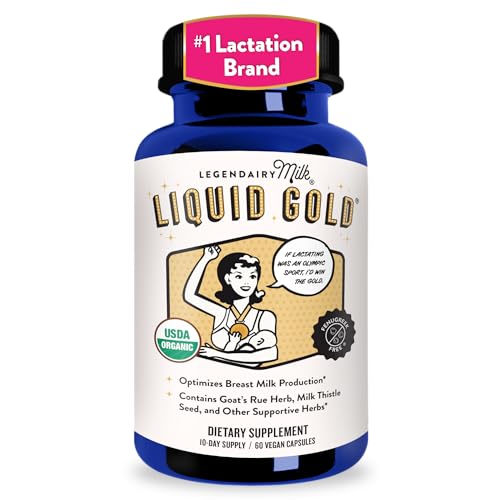
Galactagogues are substances that promote lactation. While some have strong scientific backing, others are based on tradition. Always consult your healthcare provider before starting new supplements.
- Fenugreek: One of the most studied herbs for milk supply. Typical dose is 2–3 capsules three times daily. May cause a maple syrup smell in sweat.
- Blessed thistle: Often used in combination with fenugreek. Can be taken as tea or capsules.
- Milk thistle: Supports liver function and may indirectly help with milk production.
- Moringa: A nutrient-dense plant that has shown promise in increasing milk volume.
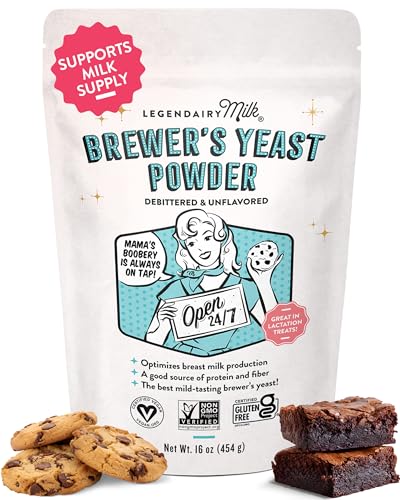
- Lactation cookies and teas: Convenient and tasty ways to get supportive herbs and oats into your diet.
For a detailed comparison, see our article on things to help produce more breast milk which covers supplements and foods in depth.
5. Skin-to-Skin Contact & Bonding
Skin-to-skin contact isn't just for bonding — it also stimulates the release of prolactin and oxytocin, the hormones responsible for milk production and let-down. Spend time with baby against your bare chest, especially during and between feeds.
- Practice kangaroo care: Hold baby skin-to-skin for at least 30 minutes several times a day.
- Nurse in a calm environment: Dim lights, comfortable seating, and peaceful surroundings help the let-down reflex.
- Baby wearing: Keeping baby close can increase feeding frequency and milk stimulation.
These moments also strengthen the emotional connection that makes breastfeeding a rewarding journey. If you're looking for cozy gear to enhance bonding, explore our recommendations for matching Christmas pajamas with newborn or a mommy and me matching robe and swaddle for those special moments.
When to Seek Professional Help
If you've tried these strategies for 2–3 weeks and still see no improvement, it may be time to consult a lactation consultant or your healthcare provider. They can assess for tongue-tie, latch issues, or underlying conditions like hormonal imbalances or insufficient glandular tissue.
Remember, fed is best. Whether you continue with breast milk, supplement with formula, or transition fully, your baby's health and your well-being are what matter most. If you need additional support, consider reaching out to local lactation support groups or online communities.
Continue Your Breastfeeding Journey
Explore more resources to support you through every stage of motherhood: