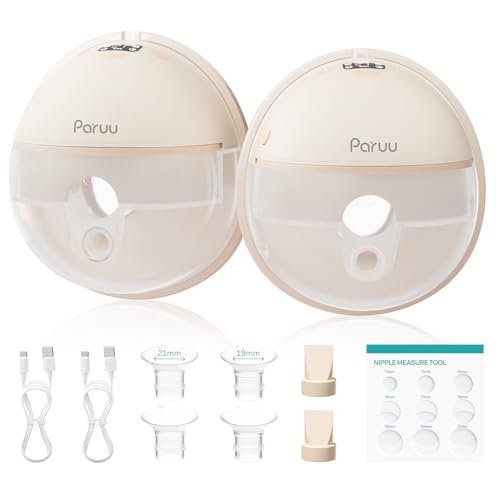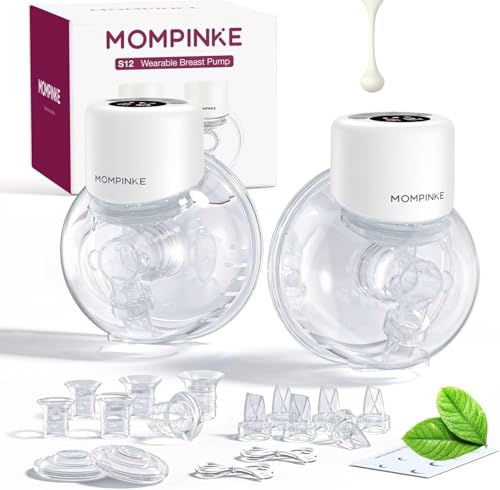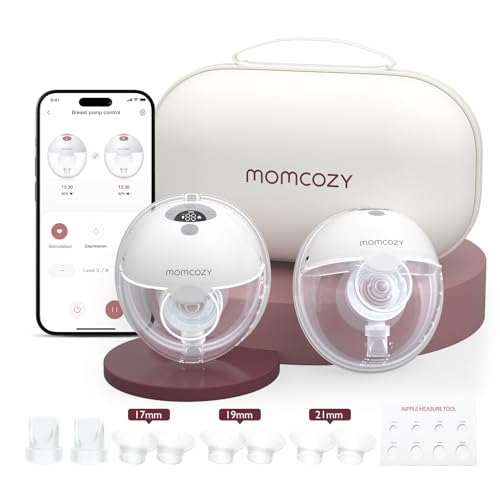
Hands-Free Double Electric Breast Pump: The Ultimate Guide for Modern Moms
Discover the freedom of pumping without being tethered to a wall. Our comprehensive guide covers the best wearable pumps, key features, price ranges, and tips to maximize your milk output — so you can pump anytime, anywhere.
Price range: $250–$550 for premium hands-free pumps.
What Is a Hands-Free Double Electric Breast Pump?
A hands-free double electric breast pump is a wearable device that fits inside your bra, allowing you to express milk from both breasts simultaneously without holding flanges or bottles. These pumps are powered by rechargeable batteries, feature quiet motors, and use app connectivity to track milk volume and session time. They are ideal for working moms, busy parents, or anyone who wants to maintain their pumping routine while moving freely.
Unlike traditional pumps, wearable models eliminate the need for a pumping bra and restrictive tubing. Many top-tier pumps now offer hospital-grade suction, customizable cycle speeds, and spill-proof designs. If you are returning to work or pumping on the go, a wireless double electric pump can be a game-changer.
For more breastfeeding support, check our guides on ways to increase breast milk production and things to help produce more breast milk.
Key Features to Compare
When choosing a hands-free double electric pump, focus on these critical factors:
Suction Strength & Cycle
Look for adjustable suction (≥ 250 mmHg) and multiple cycle speeds to mimic baby's natural feeding rhythm.
Battery Life & Charging
Most pumps offer 2–3 hours of runtime. USB-C charging and fast-charge capabilities are a plus.
Noise Level
Discreet pumping matters. Choose pumps with noise levels under 50 dB for office or public use.
App Connectivity
Bluetooth-enabled pumps let you track session data, adjust settings remotely, and store milk logs.
Comfort & Fit
Soft silicone flanges, multiple shield sizes, and ergonomic design prevent nipple discomfort.
Ease of Cleaning
Fewer parts and dishwasher-safe components save time. Closed-system design prevents milk backflow.
Many moms also consider wireless breast pump through insurance options to reduce out-of-pocket costs. If you have a larger bust, check our dedicated guide on wireless breast pump for large breasts.
Price & Value Comparison
Hands-free double electric pumps range from $250 to $550 depending on brand, features, and included accessories. Here's a breakdown:
- Entry-level (≈ $250–$350) – Basic wearable pumps with single motor, manual app control, and standard flanges. $250
- Mid-range (≈ $350–$450) – Dual motors, advanced cycle programs, better battery life, and carrying case included. $400
- Premium (≈ $450–$550) – Hospital-grade suction, smart sensors, personalized fit kits, and travel-friendly designs. $500
Insurance often covers a portion of the cost. Check with your provider about electric breast pump through insurance options. For more versatility, consider a portable breast pump through insurance as a backup.
Pro Tips for Maximizing Output
Using a hands-free pump is convenient, but to get the most milk, follow these evidence-based strategies:
- Massage before pumping: Gently massage your breasts for 2–3 minutes to stimulate let-down.
- Use the right flange size: A poor fit reduces output and causes pain. Most pumps include sizing guides.
- Pump both sides simultaneously: Double pumping increases prolactin response and saves time.
- Stay hydrated: Drink at least 8–10 glasses of water daily to maintain supply.
- Power pump if needed: Mimic cluster feeding by pumping for 10 min, resting 10 min, repeating for 1 hour.
For additional support, read our article on healthy weight loss while breastfeeding and discover the most effective way to pump breast milk.
Wearable vs. Traditional Pumps: Which One Is Right for You?
Choosing between a wearable hands-free pump and a traditional electric pump depends on your lifestyle and priorities.
- Wearable pumps – Best for multitasking, traveling, or pumping in public. They are discreet but generally have smaller milk collection capacity (≈ 5–8 oz per side) and may have slightly lower suction than hospital-grade pumps.
- Traditional pumps – Offer stronger suction, larger bottle capacity, and are often more affordable. However, they require a pumping bra and a power outlet, limiting mobility.
Many moms keep both – a primary wearable for daily use and a traditional pump for home sessions. For those seeking maximum portability, the hands-free double electric pump is the clear winner.
Essential Accessories for Hands-Free Pumping
To get the most out of your wearable pump, consider these add-ons:
- Extra milk storage bags – For freezer storage and easy organization.
- Pumping spray – Lubricates flanges to reduce friction and improve comfort.
- Wearable pump bra – Though many pumps are "hands-free," a supportive bra ensures a secure fit.
- Cooler bag with ice packs – For storing milk when you're away from home.
- Bottle adapters – To pump directly into your baby's favorite feeding bottles.
If you are new to pumping, you might also appreciate our guide on pregnancy gifts for first-time parents or gift ideas for wife after giving birth — perfect for baby showers or push presents.
Final Takeaway: Invest in Freedom
A hands-free double electric breast pump is more than a convenience — it's a tool that empowers you to balance breastfeeding with work, travel, and daily life. The right pump will give you confidence, save time, and support your milk supply journey. Whether you are a first-time mom or a seasoned parent, this investment pays off in freedom and peace of mind.
Ready to choose your pump? Browse the recommended products below, compare features, and pick the one that fits your needs and budget. Every purchase through our affiliate links supports our mission to provide honest, in-depth reviews for families like yours.
For more breastfeeding and postpartum resources, explore our articles on postpartum recovery essentials and hospital bag checklist to prepare for the arrival of your little one.