Electric Breast Pump Through Insurance
Your complete guide to getting a free or low-cost electric breast pump using your health insurance. Understand coverage, options, and the simple steps to order yours today.
GET STARTED NOWKey Fact: Under the Affordable Care Act, most health insurance plans in the U.S. are required to cover a breast pump at no cost to you. This includes electric breast pumps, hospital-grade rentals, and double electric pumps. You may be eligible even before your baby is born.
Understanding Your Insurance Coverage for Breast Pumps
Navigating health insurance can feel overwhelming, but getting your electric breast pump through insurance is a straightforward process. The key is knowing what your specific plan covers and how to access your benefit. Here's what you need to know:
Most plans cover a double electric breast pump, which is the most efficient option for working mothers. Some plans also cover accessories like breast milk storage bags and other maternity essentials. It's important to verify your coverage details, as some plans may have preferred providers or a specific network of medical equipment suppliers you must use.
Types of Electric Breast Pumps Covered
Double Electric
Most common, pumps both breasts simultaneously.
Cost: $0 with insurance
Hospital-Grade
Rental units with stronger suction. Ideal for NICU or low supply.
Cost: Fully covered
Wearable / Hands-Free
Discreet, in-bra pumps. Often an upgrade.
Cost: $0–$100 upgrade fee
Manual / Single
Less common, but covered by some plans.
Cost: $0 with insurance
How to Get Your Electric Breast Pump Through Insurance
Ordering your breast pump through insurance is easier than you might think. Follow this step-by-step guide to get your pump quickly and without stress. Many parents successfully order their pump during the third trimester, but you can also order after your baby is born.
Check Your Benefits
Call your insurance company or log in to your member portal. Ask if breast pumps are covered, what brands/models are in-network, and if you need a prescription. You can also use online tools from suppliers like Aeroflow or Byram to verify benefits instantly.
Get a Prescription
Request a prescription from your OB-GYN, midwife, or pediatrician. Most providers write prescriptions routinely. Some insurance plans require the prescription to include specific medical necessity terms, so ask your provider if they can note "double electric breast pump for lactation support".
Choose a Supplier
Select an in-network durable medical equipment (DME) supplier. Many parents use national providers like Aeroflow Breastpumps, Byram Healthcare, or 1 Natural Way. These companies handle insurance claims on your behalf and ship the pump directly to your home.
Submit Your Order
Fill out the supplier's online form with your insurance details and prescription. They will verify coverage and inform you of any upgrade fees. After approval, your pump is shipped—often within 2-5 business days. Most suppliers also send breast milk storage bags and other supplies automatically.
Pro Tip: If you need a pump urgently (e.g., for a NICU baby or to support a low milk supply), many suppliers offer expedited shipping. Contact their customer service to request rush delivery. You can also ask your hospital's lactation consultant for assistance.
Popular Electric Breast Pump Brands Covered by Insurance
Many top brands are included in insurance coverage. Below are some of the most popular, reliable options available through most DME suppliers. Prices reflect the out-of-pocket cost after insurance, with upgrades ranging from $0 to $150 depending on your plan.
Medela Pump in Style
Classic double electric with max flow technology.
After Insurance: $0
Spectra S2
Hospital-grade performance, quiet motor, closed system.
After Insurance: $0
Spectra S1 (Upgrade)
Same as S2 with built-in rechargeable battery.
After Insurance: $50–$100
Elvie Stride (Wearable)
Discreet hands-free pump with hospital-grade suction.
After Insurance: $100–$150
Willow 3.0 (Wearable)
Smart, app-connected pump with spill-proof design.
After Insurance: $100–$150
Evenflo Advanced
Affordable, simple-to-use double electric.
After Insurance: $0
Maximize Your Breast Pump Coverage & Save Money
Beyond the pump itself, your insurance may cover accessories and supplies that make pumping easier and more comfortable. Here's how to get the most out of your benefit:
- Breast Milk Storage Bags: Many plans cover a starter kit of 100–200 storage bags. Reorder every 3-6 months through your supplier.
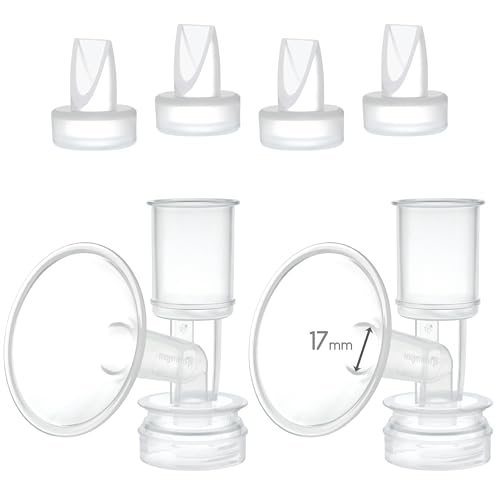
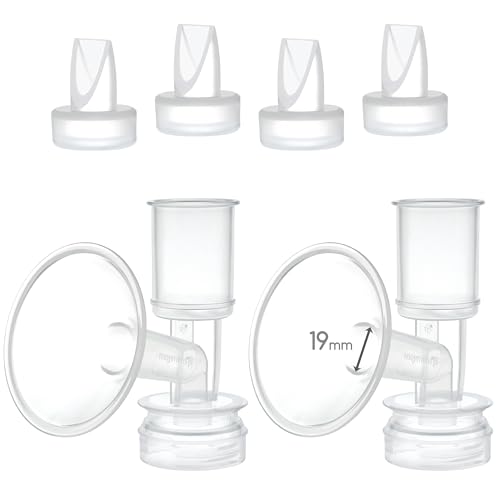
- Replacement Parts: Valves, membranes, and tubing wear out. Insurance often covers replacements every 3–6 months. Ask your supplier about a recurring schedule.
- Nipple Cream & Breast Therapy Pads: Some plans cover these as postpartum necessities. Check with your supplier.
- Pumping Bras: While not always covered, you can use FSA or HSA funds for these. Check if your plan includes nursing bras.
- Hospital-Grade Rentals: If you have a premature baby or low supply, your insurance may cover a hospital-grade rental for several months. Ask your lactation consultant to write a letter of medical necessity.
To save on out-of-pocket costs, always order through an in-network supplier. Out-of-network purchases may not be covered or could require a deductible. Use the supplier's online benefit check tool to confirm your costs before ordering. Also, remember that you can order your pump before or after delivery, but ordering before allows you to have it ready when your baby arrives.
Important: While most plans cover pumps, some have specific limitations. For example, some plans only cover wireless breast pumps through insurance as an upgrade, while others only cover manual pumps if you're on a high-deductible plan. Always verify your specific coverage.
Troubleshooting & Common Questions
Even with a straightforward process, questions and issues can arise. Here are answers to the most common concerns parents have when getting an electric breast pump through insurance.
- What if my insurance doesn't cover a breast pump? Most do under the ACA. If not, ask if you can use FSA/HSA funds or if they offer a discount for self-pay. Some suppliers provide cash-pay discounts.
- Can I get more than one pump? Generally, insurance covers one pump per pregnancy. However, if you have a high-risk pregnancy or NICU stay, you may qualify for a hospital-grade rental in addition to a standard pump.
- My pump arrived but doesn't work. What do I do? Contact the supplier immediately. Most offer free replacements or repairs under warranty. Keep the original packaging and accessories.
- Can I order a pump without a prescription? Most insurance plans require a prescription. Some online suppliers may facilitate getting a prescription through a telehealth consultation.
- What if I want a different brand than what's covered? You can often pay the difference if the supplier offers the brand you want. Use the "upgrade" option if available.
Get Your Electric Breast Pump With Confidence
Obtaining an electric breast pump through your insurance is a valuable benefit that supports your breastfeeding journey. The process is simpler than many expect, and with the right information, you can choose the best pump for your lifestyle. Whether you need a hospital-grade rental, a double electric pump, or a wireless breast pump through insurance, your coverage is there to help.
Remember to order well before your due date to ensure you have your pump ready. If you're reading this after your baby's arrival, you can still order—many suppliers process orders quickly for new parents. Start by contacting your insurance or a DME supplier today. For more guidance on breastfeeding and pumping, explore our related guides on breastfeeding essentials, breast milk storage, and pumping comfort.
Ready to order? Click below to find a recommended in-network supplier and get your electric breast pump through insurance today.