Most Effective Way to Pump Breast Milk
Expert-backed strategies to maximize milk output, reduce pumping time, and make every session more comfortable and productive.
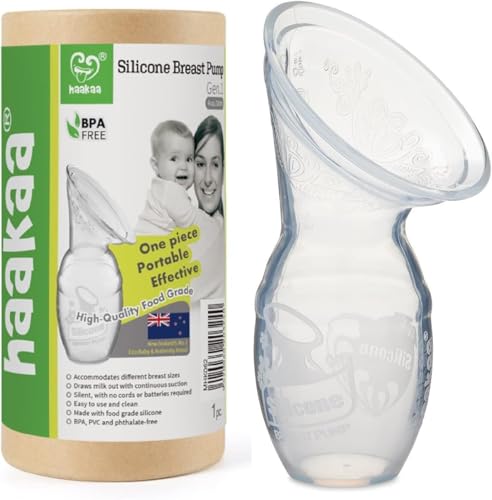
For nursing mothers, finding the most effective way to pump breast milk is a game-changer. Whether you're returning to work, building a freezer stash, or exclusively pumping, mastering your pumping routine can significantly impact your milk supply and overall confidence.
This comprehensive guide covers everything from flange fit and pump settings to hands-free pumping and milk storage. By the end, you'll have a clear, actionable plan to make each pumping session efficient and comfortable.
Key Factors for Effective Pumping
Many mothers wonder, "What is the most effective way to pump breast milk?" The answer lies in a combination of factors. Let's break them down.
- ✔ Flange Fit – Using the correct flange size is the single most important factor for milk output and comfort. A flange that is too small or too large can reduce yield and cause pain.
- ✔ Pump Settings – Start with a fast, light suction to stimulate let-down, then switch to a slower, deeper rhythm to express milk effectively.
- ✔ Hands-On Pumping – Gently massaging and compressing your breasts while pumping can increase milk flow and empty the breast more completely.
- ✔ Consistency & Schedule – Pumping at the same times each day signals your body to produce milk. Aim for 8–12 sessions per day in the early weeks.
- ✔ Relaxation & Comfort – Stress inhibits let-down. Create a calm environment, listen to relaxing music, or look at photos of your baby to boost oxytocin.
Step-by-Step Guide to Pumping Like a Pro
Follow these steps to ensure you're using the most effective way to pump breast milk every time.
- Wash hands – Always start with clean hands and sterile pump parts.
- Apply warm compress – A warm cloth or breast heat pad can help stimulate let-down.
- Use the right flange – Measure your nipple size (not the areola) and choose a flange that fits snugly without rubbing.
- Start with let-down mode – Most pumps have a stimulation mode with fast, shallow suction.
- Switch to expression mode – Once milk flows, change to a slower, deeper rhythm.
- Massage while pumping – Use your hands to gently compress and massage from the outer breast toward the nipple.
- Pump until empty – Continue until milk flow slows to a drip. This usually takes 10–15 minutes per breast.
- Store milk immediately – Use breast milk storage bags or bottles with date labels.
For exclusive pumpers, a power pumping session once a day can mimic cluster feeding and boost supply.
Common Pumping Mistakes & How to Fix Them
Even with the best intentions, small errors can reduce your yield. Here are the most common pitfalls and how to avoid them.
- ❌ Using the wrong flange size – Measure your nipple diameter and consider a sizing kit. A proper fit can increase output by 20-30%.
- ❌ Pumping for too long – Sessions longer than 20 minutes can cause nipple damage. Focus on efficiency, not duration.
- ❌ Not replacing pump parts – Valves, membranes, and tubing wear out. Replace them every 3-6 months for optimal suction.
- ❌ Skipping night pumps – Prolactin levels are highest at night. A 2-3 AM pump can significantly maintain supply.
- ❌ Stressing over output – Anxiety releases cortisol, which can inhibit let-down. Relax and trust the process.
Maximizing Your Milk Supply
Beyond the mechanics, your overall lifestyle plays a huge role in milk production. Consider these additional strategies to support your pumping journey.
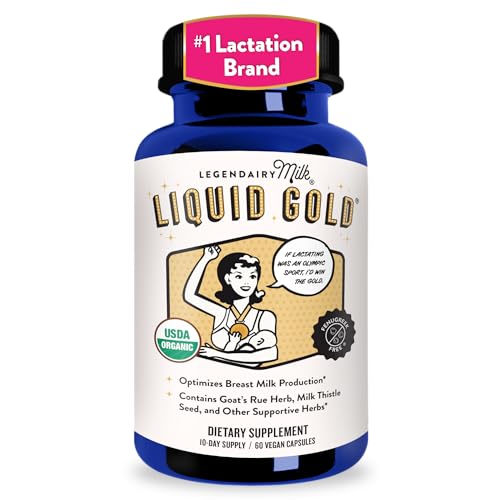
🔹 Hydration & Nutrition – Drink plenty of water and eat a balanced diet. Oats, flaxseed, and brewer's yeast are classic galactagogues.
🔹 Skin-to-Skin – Holding your baby or looking at their photo while pumping can boost oxytocin and milk flow.
🔹 Hands-Free Pumping – Using a wireless breast pump or pumping bra allows you to multitask, reducing stress and making sessions more manageable.
🔹 Track Your Output – Keep a simple log to identify patterns. If you notice a dip, check your flange fit, hydration, and sleep.
Remember, every mother's body is different. The most effective way to pump breast milk is the method that works for you, your baby, and your lifestyle. Be patient with yourself and celebrate every ounce.
More Resources for New Moms
Explore these related guides to support your breastfeeding and pumping journey: