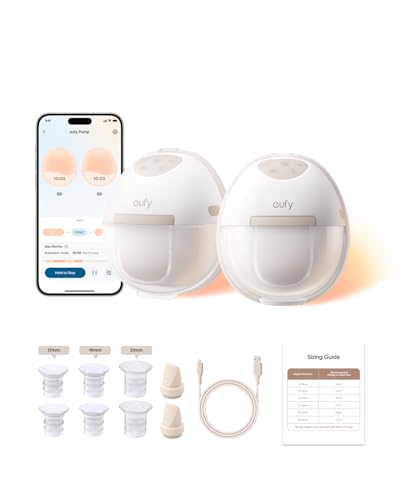
Portable Breast Pump for Large Breasts: A Complete Guide
Finding a portable pump that fits well and works efficiently with a fuller bust can feel challenging. This guide explains flange fit, suction needs, and the features that matter most so you can pump comfortably and confidently.
Why this matters: A portable breast pump for large breasts must do more than just be lightweight and rechargeable. The flange must match your nipple size, the suction must be strong and consistent, and the overall design must support comfortable pumping sessions. Many parents with fuller busts struggle with standard flange sizes, weak suction, or awkward fit — but the right pump and accessories can make a huge difference.
Understanding Your Pumping Needs with a Fuller Bust
Breast size and nipple size are two different things, and this distinction is central to choosing the right pump. A large breast does not automatically mean a large nipple, but many parents with fuller busts do require larger flanges — typically in the 24mm to 30mm range. The first step is always to measure your nipple diameter before selecting a pump or flange kit.
Key factors to evaluate
- Flange fit: The flange tunnel should comfortably accommodate your nipple without excessive areola being pulled in. Most pump brands offer flange sizes up to 30mm or 32mm, and some offer 36mm options.
- Suction strength and consistency: Fuller breasts often need stronger, more consistent suction to express milk efficiently. Look for pumps with adjustable suction levels and a strong motor.
- Cycle customization: A pump that lets you adjust the speed and suction independently can help you find a rhythm that works for your body.
- Portability and battery life: If you pump on the go, battery life and weight matter — but not at the expense of suction power.
- Bra compatibility: For wearable or hands-free pumping, a supportive pumping bra is essential to keep the flanges in place.
Tip: Many pump manufacturers sell flange size kits separately. If the standard 24mm flange that comes with your pump feels uncomfortable, try a 27mm or 30mm flange before assuming the pump itself is the problem. You can also explore our guide on portable breast pumps covered by insurance to understand your options.
Key Features to Look For in a Portable Pump
When evaluating portable breast pumps for large breasts, focus on these features:
Adjustable Suction
Look for pumps with multiple suction levels and the ability to fine-tune strength. Higher-end and professional-grade portable pumps often provide more granular control.
Flange Size Range
Ensure the brand offers flanges up to at least 30mm, and ideally 32mm. Some brands sell larger flanges separately, so check availability before committing.
Strong Motor
Portable does not have to mean weak. Mid-range and premium portable pumps now offer suction strength comparable to some hospital-grade pumps.
Comfort Features
Soft silicone flanges, massage modes, and quiet motors all contribute to a more comfortable and discreet pumping experience.
Battery Life
A battery that lasts through multiple sessions is essential for working parents or those who pump away from home frequently.
Closed System
A closed-system pump prevents milk from entering the tubing and motor, which is important for hygiene and motor longevity.
Portable Pump Tiers: What to Expect
Portable breast pumps fall into distinct quality tiers. Understanding these tiers helps you align your expectations with what each category delivers — without focusing on specific figures.
| Tier | Best For | Typical Characteristics |
|---|---|---|
| Entry-level | Occasional pumping, backup use | Basic suction settings, limited flange options, shorter battery life, louder motor |
| Mid-range | Regular daily pumping | Good suction strength, multiple flange sizes available, quieter operation, decent battery |
| Premium | Frequent or exclusive pumping | Strong, consistent suction, wide flange range, advanced comfort features, long battery life, quiet motor |
| Top-tier / Professional-grade | Exclusive pumping, workplace pumping | Hospital-grade suction, extensive customization, premium materials, ultra-quiet, designed for heavy use |
For parents with large breasts who pump regularly, a mid-range or premium tier pump is often the most practical choice. Entry-level pumps may lack the suction consistency and flange range needed for comfortable, efficient sessions.
Wearable vs. Traditional Portable Pumps
Wearable breast pumps have become increasingly popular, but they are not always the best fit for every body. Here is how the two styles compare for parents with large breasts:
Wearable pumps
- Pros: Hands-free, discreet, convenient for multitasking.
- Cons: Limited flange sizes (many max out at 27mm or 28mm), suction may be weaker than traditional portable pumps, fit can be less secure for fuller busts, collection cups may be smaller.
- Best for: Parents who need discretion and mobility, and whose nipple size fits within the available flange range.
Traditional portable pumps
- Pros: Stronger suction, wider flange range, larger collection bottles, often more customizable settings.
- Cons: Less discreet, requires more setup, not fully hands-free without a pumping bra.
- Best for: Parents who pump frequently, need strong suction, or require larger flange sizes.
Our take: If you have large breasts and need a reliable daily pump, a traditional portable pump with a strong motor and flanges up to 30mm or 32mm is often the safer choice. Wearable pumps can work well as a secondary pump for occasional use, provided the flange size is compatible.
Flange Fit: The Most Important Detail
An ill-fitting flange is the most common cause of discomfort, low milk output, and frustration with pumping. Here is how to get it right:
- Measure before you buy. Use a nipple ruler or a printable measuring tool to determine your nipple diameter. Measure both nipples, as they can differ.
- Add 2–4mm. Your flange tunnel should be 2–4mm larger than your nipple diameter. For example, a 20mm nipple typically needs a 24mm flange.
- Check the fit during pumping. Your nipple should move freely in the tunnel without rubbing against the sides. The areola should not be pulled into the tunnel.
- Size up if needed. If you experience pain, reduced output, or notice areola tissue in the tunnel, try a larger flange.
- Consider silicone flanges. Some parents with large breasts find silicone flanges more comfortable than rigid plastic ones.
If you are also preparing your nursing setup, you may find our guides on nursing bras and nursing covers helpful for building a comfortable pumping routine.
Tips for Comfortable Pumping with Large Breasts
- Use a supportive pumping bra. A bra that holds the flanges firmly in place reduces strain and improves milk flow.
- Apply warmth before pumping. A warm compress or gentle massage can help with let-down.
- Use nipple cream. A lanolin-based or plant-based nipple cream can soothe irritation from frequent pumping.
- Pump in a relaxed position. Stress can inhibit let-down, so create a calm environment.
- Replace valves and membranes regularly. Worn parts reduce suction efficiency.
- Consider a pumping pillow. A nursing pillow can support your arms and the pump during sessions.
Ready to Find Your Ideal Pump?
Explore our curated selection of portable breast pumps suited for larger breasts and fuller busts.
View Recommended PumpsFrequently Asked Questions
What flange size should I use for large breasts?
Flange size is determined by nipple diameter, not breast size. Many parents with large breasts need flanges between 24mm and 30mm, but you should always measure your nipple to confirm the correct fit. A flange that is too small can cause pain and reduce milk output.
Can a portable breast pump work well for large breasts?
Yes. Modern portable pumps offer strong suction and customizable cycle settings. The key is choosing a model with consistent suction and the correct flange size for your anatomy. Mid-range and premium portable pumps are generally better equipped for regular use with fuller busts.
How do I know if my flange is too small?
Signs of an undersized flange include nipple rubbing against the tunnel walls, discomfort during pumping, reduced milk output, and areola tissue being pulled into the tunnel. If you notice these signs, try a larger flange size.
Are wearable breast pumps suitable for large breasts?
Wearable pumps can work for large breasts, but fit and support are critical. Look for models with adjustable flanges, strong suction, and a secure bra fit. Some users with fuller busts prefer traditional portable pumps with separate collection bottles for better stability and suction.
How often should I replace pump parts?
Valves and membranes typically need replacement every 4–8 weeks with regular use, while flanges and tubing should be inspected regularly for wear. Worn parts can significantly reduce suction efficiency.