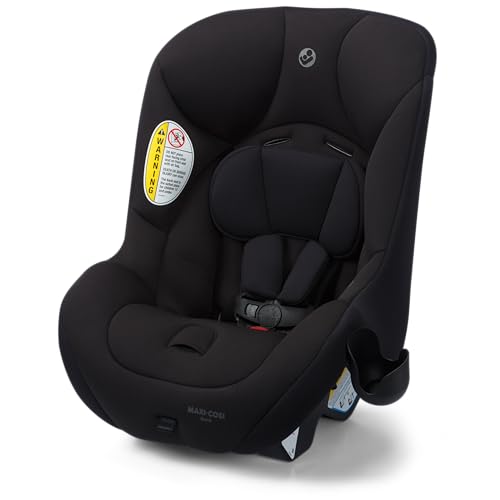
Travel Convertible Car Seat: The Complete Buying Guide
Everything you need to know about choosing a portable, versatile convertible car seat that keeps your child safe on every journey — from daily drives to cross-country adventures.
Why a travel convertible car seat matters: Families on the move need gear that adapts. A travel convertible car seat bridges the gap between a fixed everyday seat and the flexibility of a portable solution. It grows with your child from the rear-facing infant stage through forward-facing harness use, and often into booster mode — all while remaining practical to install, carry, and transfer between vehicles. This guide breaks down the features, trade-offs, and decision points so you can choose with confidence.
What Is a Travel Convertible Car Seat?
A travel convertible car seat is a multi-stage child restraint designed to serve your child across multiple developmental phases — typically rear-facing, forward-facing with a harness, and sometimes belt-positioning booster — while incorporating design elements that make it easier to use away from home. Unlike a dedicated infant carrier that clicks into a base, a convertible seat stays installed in the vehicle, but travel-oriented models reduce weight, simplify the installation process, or offer compact footprints that suit rental cars, taxis, and shared family vehicles.
The core appeal is versatility. Instead of purchasing separate seats for each stage and each vehicle, a single well-chosen convertible seat can cover years of growth and multiple travel scenarios. For families who frequently switch between cars, fly with children, or rely on ride-share services, a travel-friendly convertible car seat offers a practical middle ground between full-featured everyday seats and ultra-portable specialty seats.
Key Features to Evaluate
When comparing travel convertible car seats, focus on the features that directly affect safety, ease of use, and portability. The table below outlines the most important considerations and what to look for in each.
| Feature | Why It Matters | What to Look For |
|---|---|---|
| Weight & Portability | Easier to move between vehicles, carry through airports, or store when not in use. | Lighter builds in the mid-range and premium tiers; consider carry bags or backpack straps. |
| Installation Method | Correct installation is the single most important safety factor. Travel demands quick, reliable setups. | LATCH/UAS connectors, seat-belt lock-offs, and clear belt paths. Some models offer easy-recline or bubble-level indicators. |
| Rear-Facing Limits | Extended rear-facing is recommended for as long as possible for optimal head and neck protection. | Higher rear-facing height and weight limits; look for seats that accommodate toddlers comfortably. |
| Forward-Facing Harness | Harness mode provides the safest forward-facing configuration before transitioning to a booster. | Five-point harness with multiple height positions and easy tension adjustment. |
| FAA Approval | Determines whether the seat can be used on an airplane. | Explicit FAA approval labeling; verify the specific model before flying. |
| Compact Footprint | Fits better in smaller vehicles, rental cars, and three-across seating situations. | Narrow exterior width and a design that doesn't sacrifice legroom for front passengers. |
| Fabric & Cleanability | Travel means spills, snacks, and messes. Easy-clean materials save time and frustration. | Removable, machine-washable covers; wipeable surfaces; stain-resistant fabrics. |
| Safety Certifications | Confirms the seat meets federal motor vehicle safety standards. | FMVSS 213 compliance and clear labeling; check for recalls before purchase. |
Understanding the Tier Landscape
Travel convertible car seats span a range of market positions, from entry-level to premium. Understanding what each tier typically delivers helps you align your choice with your priorities — without relying on arbitrary numbers.
Entry-Level Tier
Essential safety features and straightforward installation. These seats meet all required standards and cover the core convertible stages, but may be heavier, have fewer recline options, and offer basic padding. A solid choice for occasional travel or secondary-vehicle use.
Mid-Range Tier
A balanced blend of portability and comfort. Expect lighter construction, smoother harness adjustments, easier LATCH connectors, and better padding. Many families find this tier the sweet spot for frequent travel and everyday use.
Premium Tier
Refined materials, advanced safety engineering, and thoughtful travel-oriented design. These seats often feature compact footprints, premium fabrics, and installation aids. A worthwhile investment for families who prioritize long-term durability and ease of use.
Specialty & Rotating Designs
Some seats incorporate rotation mechanisms for easier loading and unloading — a meaningful convenience during travel. These tend to sit in the high-end tier and add a bit of weight, so weigh the trade-off against your portability needs.
Travel Scenarios and What They Demand
Different travel contexts place different demands on a convertible car seat. Consider which scenarios apply to your family:
- Air travel: FAA approval is essential if you plan to use the seat on board. A lighter seat is easier to carry through terminals, and a compact footprint fits better in aircraft seats.
- Rental cars and ride-share: Quick, tool-free installation and clear belt paths make transfers faster and less error-prone. A seat with intuitive LATCH connectors and a visible recline indicator is a strong advantage.
- Multi-vehicle families: If the seat moves between caregivers' cars regularly, prioritize ease of installation and a manageable weight.
- Road trips: Comfort features, breathable fabrics, and generous padding matter more on long drives. A seat with multiple recline positions helps with napping.
- Urban living: Compact dimensions and a narrow profile help in tight parking situations and smaller vehicles.
If your travels often involve air travel specifically, it's worth reviewing dedicated guidance on a travel car seat to understand the broader landscape of portable options before narrowing down to convertible models.
Installation: The Non-Negotiable Safety Step
No amount of premium engineering compensates for an incorrectly installed seat. Travel convertible car seats are designed for repeated installation, so the quality of the installation system deserves close attention.
- LATCH/UAS connectors: Look for push-on connectors with clear tension indicators. Hook-style connectors are common but can be fiddlier in tight spaces.
- Seat-belt lock-offs: These let you secure the seat with the vehicle belt without needing a locking clip, which is especially useful in older rental cars.
- Recline indicators: A bubble level or clear angle indicator takes the guesswork out of achieving the correct recline for rear-facing use.
- Color-coded belt paths: Distinct rear-facing and forward-facing belt paths reduce installation errors during hurried transfers.
Pro tip: Practice installing your chosen seat in your own vehicle before your trip. Familiarity with the connectors, belt paths, and recline mechanism makes rental-car installations far quicker and more confident.
Rear-Facing vs. Forward-Facing: Getting the Timing Right
Safety organizations recommend keeping children rear-facing for as long as the seat allows, because rear-facing positioning distributes crash forces across the strongest parts of a child's body. A travel convertible car seat with generous rear-facing limits lets you extend this protection phase without buying a separate seat.
Transition to forward-facing harness mode only when your child reaches the seat's forward-facing minimum requirements and has outgrown the rear-facing limits. Keep the five-point harness snug and the chest clip at armpit level throughout the forward-facing phase. Some convertible seats later transition to a belt-positioning booster, but booster readiness depends on maturity and fit — not just age.
Materials, Comfort, and Longevity
Travel exposes a seat to sun, spills, temperature swings, and frequent handling. Durable construction matters. Look for reinforced shells, high-grade harness webbing, and covers that can be removed and washed without dismantling the entire seat. Premium materials in the high-end tier often include breathable mesh panels and moisture-wicking fabrics that improve comfort on long journeys.
Also consider the seat's usable lifespan. A convertible seat that covers rear-facing through booster stages represents a long-term investment, reducing the need for multiple purchases as your child grows. Check the expiration date stamped on the seat — most seats have a defined service life, and a travel-oriented seat that you plan to use for years should offer a comfortable margin before expiry.
Common Mistakes to Avoid
- Prioritizing weight over fit: A very light seat that doesn't install securely in your vehicle is not a good travel choice. Fit and installation come first.
- Assuming all convertibles are airline-approved: Verify FAA approval for the specific model before relying on it in the cabin.
- Skipping the manual: Each seat has specific belt paths, recline ranges, and harness routing. Read the manual for every new vehicle you install it in.
- Using a second-hand seat with an unknown history: A seat involved in a crash or missing parts may be unsafe. If you accept a used seat, verify its history and check for recalls.
- Ignoring the vehicle manual: Some vehicles restrict LATCH use in certain seating positions or at certain child weights. Cross-check both manuals.
Related Guides and Resources
Broaden your research with these related topics:
- Travel Car Seat Guide
- Travel-Friendly Convertible Car Seat
- Portable Car Seat for Travel
- Infant Convertible Car Seat and Stroller
- Rotating Convertible Car Seat
- All-in-One Convertible Car Seat
- High-Back Booster with Removable Back
- Sun Shade for Strollers and Car Seats
- Travel Bag for Stroller and Car Seat
- Travel Stroller and Car Seat
Frequently Asked Questions
What makes a convertible car seat suitable for travel?
A travel-oriented convertible car seat typically features a lighter build, a more compact frame, easier installation mechanisms, and sometimes foldable or space-saving designs. It should still meet all federal safety standards while being practical to move between vehicles, taxis, or rental cars.
Can a travel convertible car seat be used on an airplane?
Many travel convertible car seats are FAA-approved for aircraft use when installed in a forward-facing position. Always verify the specific model's certification before booking your flight, as not all convertible seats are approved for airline travel.
How long can my child use a travel convertible car seat?
Most travel convertible car seats accommodate children from the rear-facing infant stage through the forward-facing harness stage, and some convert to a belt-positioning booster. The usable lifespan depends on your child's growth relative to the seat's height and weight limits, typically spanning several years.
Is a lighter car seat less safe than a heavier one?
Weight alone does not determine safety. A travel convertible car seat can be lighter due to advanced materials and thoughtful engineering while still meeting or exceeding federal safety standards. Always prioritize verified safety certifications and correct installation over sheer weight.