Travel Bag for Stroller and Car Seat: Protect Your Baby Gear Anywhere
Discover how the right travel bag keeps your stroller and car seat safe during flights, road trips, and everyday adventures. A complete buying guide for parents who refuse to compromise on gear protection.
START THE GUIDEWhy a travel bag matters: Airlines handle thousands of strollers and car seats every day. Without proper protection, your gear can suffer scratches, torn fabric, bent frames, and lost parts. A dedicated travel bag is a long-term investment that keeps your baby's equipment safe and functional for years.
What Is a Travel Bag for Stroller and Car Seat?
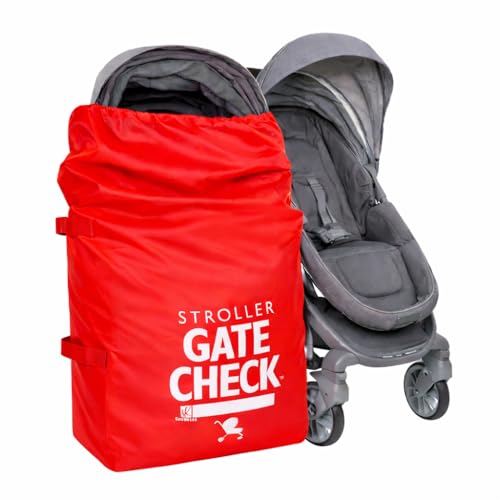
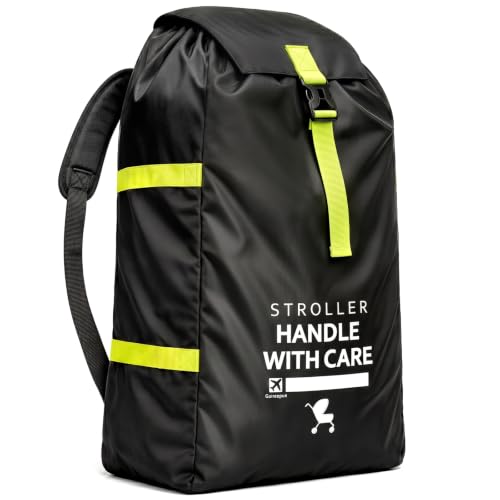
A travel bag for stroller and car seat is a protective cover designed to shield your baby gear from damage during transit. These bags are typically made from durable materials such as heavy-duty nylon, polyester, or reinforced canvas, and they come in two main formats: dedicated stroller bags and dedicated car seat bags. Some hybrid models accommodate both items, though most parents find that separate bags offer better organization and fit.
When you check your stroller or car seat at the airport gate, it goes through the same rough handling as checked luggage. A quality travel bag acts as a barrier against dirt, moisture, and impact. It also keeps your gear clean before you install it in a rental car or use it at your destination. For families who travel frequently, this accessory quickly becomes essential rather than optional.
If you are still deciding between bringing your everyday gear or investing in dedicated travel equipment, our guide on a travel stroller and car seat combination can help you weigh the options. Many parents ultimately choose both: a lightweight travel stroller for the trip and a protective bag to keep it safe along the way.
Types of Travel Bags: Which One Fits Your Gear?
Before choosing a bag, identify what you need to protect. Strollers and car seats have different shapes and folding mechanisms, so the bag must match the item. Here are the common categories:
1. Stroller Travel Bags
These bags are sized to fit umbrella strollers, lightweight strollers, and full-size strollers. Look for padded handles, shoulder straps, and a drawstring or zippered closure. Some models include wheels for easy rolling through airports. If you own a double stroller, check for wider bags or dedicated double-stroller covers. Our article on a lightweight double stroller for travel explains how to match a bag to a double-frame stroller without excess bulk.
2. Car Seat Travel Bags
Car seat bags are typically backpack-style or duffel-style. Backpack straps free your hands for luggage and baby carriers, which is a major advantage at busy airports. These bags usually fit convertible and infant car seats. If you use a portable car seat for trips, a compact bag is a smart pairing—see our recommendations for a portable car seat for travel to understand which dimensions matter.
3. Hybrid and Universal Bags
Some bags are marketed as universal and can hold either a stroller or a car seat. While convenient, universal bags rarely fit either item perfectly. A snug fit provides better protection against impact and moisture. If you own a travel car seat with a narrow profile, measure it before choosing a universal bag; a dedicated car seat bag often provides superior coverage.
4. Gate-Check and Cover-Style Bags
These lightweight covers slip over the stroller at the gate and protect against scuffs and rain. They are not designed for checked luggage but are useful for short trips and daily errands. A stroller and car seat cover for travel can be a practical secondary layer when you want basic protection without a bulky bag.
Key Features to Evaluate Before You Choose
Not all travel bags are built to the same standard. Use the following checklist to separate a top-tier bag from an entry-level one:
| Tier | Material & Construction | Best For |
|---|---|---|
| Entry-level | Single-layer nylon, basic drawstring closure, minimal padding | Occasional road trips and light daily use |
| Mid-range | Reinforced polyester, zippered main compartment, padded handles | Frequent flyers and weekly errands |
| Premium | Heavy-duty canvas or ripstop fabric, double-stitched seams, wheels or backpack straps | Air travel, gate-checking, and long-term protection |
| Luxury / professional-grade | Weather-resistant coating, reinforced corners, structured frame support, premium hardware | Frequent international travel and maximum gear preservation |
Padding: A padded bag absorbs impact during handling. Look for foam or fleece lining, especially around corners and handles. Entry-level bags often skip padding, which is acceptable for occasional use but risky for air travel.
Handles and straps: Padded grab handles and adjustable shoulder straps make transport comfortable. Backpack-style car seat bags distribute weight evenly and keep your hands free. For stroller bags, a reinforced top handle is essential because you will lift the bag in and out of vehicles.
Closure system: Zippers are more secure than drawstrings. A two-way zipper with a lockable pull adds an extra layer of security for checked bags. Some premium bags include a combination lock or TSA-friendly locking mechanism.
Wheels: Wheeled stroller bags reduce physical strain in airports. They typically have a rigid base and inline skate wheels. If you plan to travel alone with a baby, a wheeled bag is a worthwhile investment.
Ventilation and moisture resistance: A small ventilation panel prevents mold and odors if the bag gets damp. A weather-resistant coating or water-repellent finish protects against rain and spills. Premium bags often include both.
Identification window: A clear ID pocket lets you add your name and contact details. This is critical for checked gear because airlines require identification on all luggage.
How to Choose the Right Size and Fit
Measure your stroller or car seat when folded before shopping. Record the length, width, and height. Add two to three inches of clearance for the bag material and padding. A bag that is too tight is difficult to pack and may strain the zipper; a bag that is too loose allows the gear to shift and reduces protection.
For strollers, check the folded dimensions rather than the open dimensions. Many parents make the mistake of matching the open stroller size to the bag size. For car seats, measure the widest point, including the handle or base, depending on the model. If you own a convertible car seat, confirm that the bag accommodates the seat in both rear-facing and forward-facing configurations.
If you are traveling with twins, our guide on a double car seat stroller combo for twins can help you plan gear that fits within airline size limits and pairs well with larger travel bags.
Protecting Your Gear During Flights and Road Trips
A travel bag is only as effective as the way you use it. Follow these best practices to maximize protection:
- Remove loose parts: Detach cup holders, trays, and canopies before packing. Store them in a separate pouch or inside the bag's accessory pocket. Loose parts are the most common cause of loss during gate-check.
- Fold and secure: Use the stroller's fold lock or a strap to keep it compact. For car seats, retract the handle and secure the harness. A compact package fits better and reduces stress on seams.
- Add padding at stress points: Wrap the frame joints and handle areas with a towel or bubble wrap if the bag lacks built-in padding. Premium bags usually include reinforced panels, but extra protection never hurts.
- Label the bag: Place a luggage tag with your name, phone number, and destination on the outside. Also place a card inside the bag in case the external tag falls off.
- Lock the zipper: Use a small luggage lock or zip tie on checked bags. This prevents accidental opening during transit. If you fly internationally, use a TSA-approved lock so security can inspect the bag without cutting it.
- Inspect after arrival: Check the bag and gear for damage immediately after pickup. Report any issues to the airline before leaving the baggage area. Document damage with photos for insurance claims.
For parents who prefer to gate-check a lightweight stroller, a durable travel bag is still recommended because gate-checked items are exposed to the same handling as checked luggage. If you are considering a compact stroller for air travel, read our guide on a travel stroller for airplane use to understand size and folding requirements.
Materials and Durability: What to Look For
The best travel bags use heavy-duty materials that resist tearing and abrasion. Nylon and polyester are common, but the denier rating matters. A higher denier indicates a denser, stronger fabric. Ripstop nylon is a top-tier choice because it prevents small tears from spreading. Canvas is durable but heavier; it suits car seat bags that do not need to be ultra-light.
Reinforced stitching at stress points—handles, zippers, and corners—extends the life of the bag. Double-stitched seams and bar-tacked handles are signs of quality construction. Weather-resistant coatings such as polyurethane or PVC protect against rain and spills. If you travel to humid climates, choose a bag with ventilation panels to prevent mildew.
For families who also need to protect other gear, a sun shade for strollers and car seats complements a travel bag by shielding your child from direct sunlight during outdoor use.
Budget Planning: Entry-Level vs Premium
Travel bags span a wide range of quality tiers. Entry-level bags are adequate for occasional road trips and light use. They typically use single-layer fabric and basic closures. Mid-range bags add padding, reinforced handles, and better zippers. Premium and luxury bags include features such as wheels, backpack straps, weatherproof coatings, and structured frames.
Consider how often you will travel and how much you rely on your stroller or car seat. A frequent flyer who gate-checks a stroller every month will benefit from a premium bag with wheels and heavy-duty padding. A family that takes one road trip per year can choose a mid-range bag without sacrificing essential protection. The key is to match the bag's durability to your usage pattern, not to pay for features you will never use.
For a broader overview of travel gear, our guide on travel-friendly convertible car seat options explains how to balance portability with safety features.
Common Mistakes to Avoid
- Buying a bag without measuring: Always measure the folded gear. A bag that is too small will tear; one that is too large offers poor protection.
- Ignoring airline size limits: Some airlines restrict the dimensions of gate-checked strollers. Check your airline's policy before traveling with an oversized bag.
- Using a bag without padding: A thin drawstring sack offers minimal protection. Choose a bag with padding at corners and handles.
- Forgetting to label the bag: Unlabeled bags are more likely to be lost or misrouted. Use an external tag and an internal card.
- Packing wet gear: Moisture trapped inside the bag causes mold and odors. Dry your stroller or car seat before packing, and choose a bag with ventilation.
- Skipping insurance: If you travel with premium gear, check whether your airline or travel insurance covers damage to strollers and car seats. Document the condition before travel.
Parents who travel with a convertible car seat should also review our article on a travel convertible car seat to confirm that the bag accommodates the seat's folding and installation hardware.
Maintenance and Care for Your Travel Bag
Clean the bag after each trip to extend its lifespan. Wipe the exterior with a damp cloth and mild soap. For fabric bags, remove the padding if possible and hand-wash in cold water. Air-dry the bag completely before storing it—never store it damp. Check zippers and seams for wear and repair small issues before they become larger problems. Store the bag flat or rolled loosely; folding it tightly can create permanent creases in the padding.
If the bag includes wheels, clean the wheel housings to remove lint and debris. Lubricate the axles occasionally with a silicone-based lubricant. For backpack-style car seat bags, inspect the straps and buckles for fraying and replace them if necessary.
Frequently Asked Questions
Can I use one travel bag for both a stroller and a car seat?
Some universal bags claim to fit both, but dedicated bags provide a better fit and superior protection. A dedicated stroller bag accommodates the folded frame, while a car seat bag is shaped for the seat's shell and handle. If you must choose one, prioritize the item you travel with most often.
Are travel bags allowed through airport security?
Yes. Travel bags are treated as luggage. If you check the bag, it goes through standard baggage screening. If you gate-check a stroller in a bag, security may inspect the bag at the gate. Use a TSA-approved lock if you lock the zipper on a checked bag.
Do I need a padded bag for a car seat?
A padded bag is strongly recommended for air travel. Car seats contain plastic shells and harness components that can crack or scratch under impact. Padding absorbs shock and protects the seat's structural integrity. For road trips where the car seat stays inside the vehicle, a lightweight cover may be sufficient.
How do I clean a travel bag?
Most fabric bags can be wiped with a damp cloth or hand-washed with mild detergent. Remove any removable padding before washing. Air-dry completely before storing. Avoid machine washing unless the manufacturer explicitly allows it, as agitation can damage coatings and seams.
Will a travel bag fit my stroller if it has a bassinet attachment?
Check the bag's dimensions against the stroller with the bassinet attached. Some travel systems require a larger bag or a separate bassinet cover. If you use a stroller travel system with bassinet, measure the combined unit before purchasing a bag.
What is the best material for a travel bag?
Ripstop nylon and heavy-duty polyester are top-tier choices because they resist tears and abrasion. Canvas is durable but heavier. Look for reinforced stitching, weather-resistant coatings, and padded handles regardless of the material.
Can I gate-check a stroller without a bag?
Yes, but doing so exposes the stroller to scratches, dirt, and potential damage. A gate-check bag or cover provides a layer of protection and keeps the stroller clean for use at your destination. Many airlines require a bag for gate-checked strollers to reduce damage claims.
How do I know if a travel bag is worth the investment?
Compare the cost of the bag to the cost of repairing or replacing your stroller or car seat. If you travel by air more than once a year, a mid-range or premium bag pays for itself by preventing damage. For occasional road trips, an entry-level bag may be sufficient.
Ready to Protect Your Baby Gear?
Explore our curated selection of travel bags for strollers and car seats. Find the right fit for your gear and travel with confidence.
VIEW RECOMMENDED PRODUCTS