Rotating Convertible Car Seat: The Complete Buying Guide
Swivel car seats transform the daily routine of getting a child in and out of the vehicle. Learn how rotating convertible car seats work, what safety features to verify, and how to choose a model that fits your child, your vehicle, and your family's lifestyle.
Start the GuideWhy rotating seats matter: A rotating convertible car seat lets the seat swivel toward the open door, so parents can load a child without twisting over the seat shell. This is especially valuable during the infant and toddler stages, when lifting a growing child into a fixed rear-facing seat can strain the back and shoulders. This guide explains the mechanics, safety requirements, installation methods, and the practical trade-offs you should weigh before purchasing.
What Is a Rotating Convertible Car Seat?
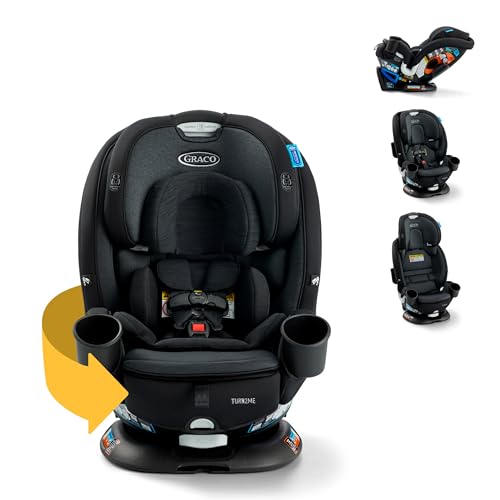
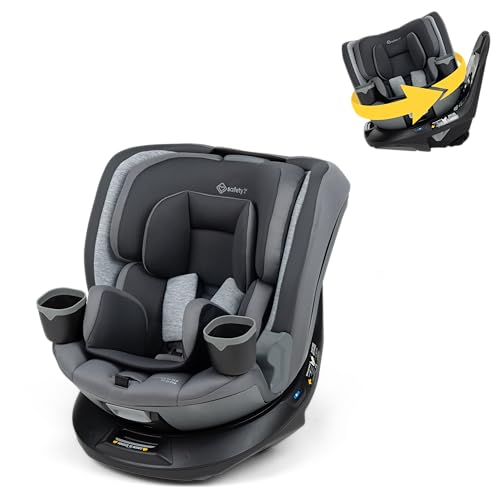
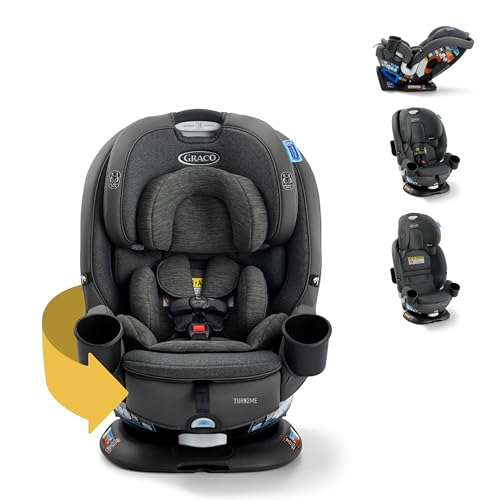
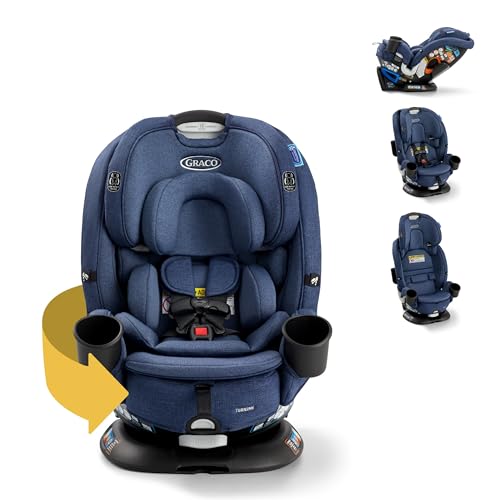
A rotating convertible car seat is a multi-stage child restraint that combines two features. First, it is convertible: it supports rear-facing use for infants and younger toddlers, then converts to forward-facing use with a five-point harness as the child grows, and many models later convert to a belt-positioning booster. Second, it is rotating: a swivel ring built into the base allows the seat to turn roughly 90 degrees toward the vehicle door, making it easier to place and remove a child.
The swivel mechanism locks firmly into the rear-facing or forward-facing position when the vehicle is in motion. The convenience benefit only applies when the vehicle is parked with the door open. While driving, the seat behaves like a conventional convertible car seat, and that is the key point parents should understand: rotation is a loading aid, not a safety feature that operates during travel.
How the Swivel Mechanism Works
Rotating convertible car seats use one of two broad mechanical approaches. Understanding the difference helps you evaluate durability and ease of use.
Single-Ring Swivel Base
A single locking ring sits between the car seat shell and the base. The seat rotates on this ring and clicks into defined positions, typically rear-facing, forward-facing, and a door-facing loading position. Entry-level rotating models often use this design. It is simple and reliable, but the number of locking positions may be limited.
Multi-Position Rotating Base
Mid-range and high-end tier models often provide multiple lockable positions along the swivel arc, plus a dedicated loading position that faces the door. Some premium models add a recline adjustment that works independently of the swivel, so parents can adjust the seat angle for a sleeping child without uninstalling the seat. The trade-off is a larger and heavier base.
Key Mechanical Feature to Verify
Look for a visible lock indicator that confirms the seat is secured in a travel position. A seat that rotates freely without a clear locked state is a safety concern. Reputable brands design the swivel to engage a hard stop and an audible click when the seat returns to rear-facing or forward-facing travel mode.
Safety Standards for Rotating Convertible Car Seats
In the United States, all child restraints sold must meet Federal Motor Vehicle Safety Standard 213, the same regulation that governs standard convertible car seats. Rotating models are not exempt. When evaluating a rotating convertible car seat, confirm the following:
- FMVSS 213 compliance stated on the seat label and in the manual.
- Independent crash testing results published by the manufacturer or third-party testing organizations.
- Locking swivel that secures the seat in rear-facing and forward-facing travel positions.
- Five-point harness with a chest clip and adjustable harness heights.
- Rear-facing weight and height limits that are clearly printed and generous enough for your child's growth curve.
- Top tether and lower anchor compatibility for forward-facing use.
Rotating seats are widely used in Europe and increasingly common in North America. If you are comparing a rotating model against a fixed convertible seat, the safety comparison is not about rotation itself but about correct installation, harness fit, and staying within the seat's weight and height limits. A properly installed rotating seat is as safe as a properly installed fixed seat.
Rear-Facing and Forward-Facing Use
Convertible car seats are designed to keep a child rear-facing as long as possible, because rear-facing positioning distributes crash forces across the back of the shell. Pediatric guidance recommends rear-facing until the child reaches the seat's rear-facing weight or height limit, not merely until a certain age.
A rotating convertible car seat makes rear-facing use more comfortable for parents because the seat can be turned toward the door for loading. Once the child outgrows the rear-facing limit, the seat rotates to forward-facing mode with the harness, and the top tether is attached. Many models then convert to a booster when the harness is outgrown. If you are also shopping for travel-friendly options, our guide to a travel convertible car seat covers lighter alternatives for trips, and the travel-friendly convertible car seat overview explains how to balance portability with safety.
Installation: LATCH vs Seat Belt
Rotating convertible car seats support two installation methods. Each has a place depending on your vehicle and your child's weight.
LATCH Installation
LATCH uses the vehicle's lower anchors and the seat's connector straps. It simplifies installation and reduces the chance of error, which is why many parents prefer it. However, LATCH has a weight limit that varies by vehicle manufacturer, so once the child approaches that limit, the seat must be reinstalled using the vehicle seat belt.
Seat Belt Installation
Seat belt installation works in any seating position with a lap-and-shoulder belt, including the center seat. It is the required method once the LATCH weight limit is reached, and it is often recommended for center-seat installation because many vehicles do not have center LATCH anchors. Rotating seats typically include a belt lock-off or a locking clip requirement, so read the manual carefully.
Installation Check
After installation, the seat should move less than one inch side to side and front to back at the belt path. The swivel should be locked in travel position, and the recline angle should match the manufacturer's indicator for your child's age and weight. If you are unsure, a certified child passenger safety technician can verify the installation.
Key Factors When Choosing a Rotating Convertible Car Seat
Child's Weight and Height Range
Check the rear-facing and forward-facing limits. A seat with a higher rear-facing limit keeps your child in the safer position longer. Also confirm the harness height range accommodates your child now and for the next several years.
Vehicle Fit
Rotating seats have a larger footprint than fixed convertible seats because of the swivel base. Measure the rear seat depth and check the manufacturer's installed dimensions. If you drive a compact car, look for models marketed with a compact base. For families with more than one child, our guide to a double car seat stroller combo for twins may help you coordinate seating and stroller needs.
Recline Adjustment
A multi-position recline helps keep a newborn's airway open and lets a sleeping toddler rest comfortably. Mid-range and premium rotating seats usually offer more recline positions than entry-level models.
Fabric and Cleaning
Car seat covers accumulate crumbs, spills, and spit-up. Look for machine-washable covers and a design that can be removed without disassembling the harness. Some premium models use moisture-resistant fabrics that wipe clean easily.
Ease of Harness Adjustment
A no-rethread harness lets you raise or lower the harness height without removing the seat from the vehicle. This is a meaningful convenience as your child grows and is common on mid-range and high-end tier models.
Rotating Convertible Car Seat Tiers Compared
Rotating convertible car seats fall into three broad market tiers. The table below summarizes what each tier typically offers, using relative positioning rather than absolute figures.
| Tier | Best For | Typical Swivel Design | Notable Features |
|---|---|---|---|
| Entry-Level | Families who want the convenience of rotation and a straightforward feature set | Single locking ring with limited positions | Basic recline, standard harness, washable cover |
| Mid-Range | Parents who want smoother operation and easier harness adjustment | Multi-position swivel with door-facing lock | No-rethread harness, multiple recline angles, improved padding |
| Premium | Families who want extended rear-facing limits and refined materials | Precision multi-position swivel with clear lock indicators | Extended rear-facing capacity, premium fabrics, anti-rebound features, compact base options |
A mid-range rotating seat usually offers a smoother swivel mechanism and a more adjustable harness than an entry-level model, while a premium seat typically adds extended rear-facing capacity and a more compact footprint for tighter vehicles.
Advantages and Trade-Offs of Rotating Convertible Car Seats
Advantages
- Easier loading and unloading. The seat faces the door, reducing awkward lifting and twisting.
- Less strain on the back and shoulders. Especially helpful for parents recovering from a cesarean birth or managing back pain.
- Convenient for tight parking spaces. Loading a child through a narrow door opening is simpler when the seat swivels toward you.
- Long usable life. Convertible design covers rear-facing, forward-facing, and often booster stages.
- Helpful for grandparents and caregivers. The loading motion is more intuitive for adults who are less practiced at lifting a child into a fixed seat.
Trade-Offs
- Larger footprint. The swivel base adds bulk, which can matter in compact vehicles.
- Heavier weight. Rotating seats are generally heavier than fixed convertible seats, which matters if you move the seat between vehicles.
- Higher tier positioning. The added mechanism typically places rotating models above entry-level fixed seats in their respective product lines.
- More parts to clean around. The swivel ring can collect crumbs, so regular cleaning is worthwhile.
Further Reading for Car Seat and Travel Planning
Families often compare rotating convertible seats with other car seat categories. If you are evaluating a lightweight option for air travel or a second vehicle, the portable car seat for travel guide explains compact choices. For a straightforward overview of fixed convertible seats, see the travel car seat article. If you are building a full travel system, the infant convertible car seat and stroller combination guide may be useful, and parents planning for twins can review the double car seat stroller combo for twins overview. For a premium rotating option, see the Pria Max all-in-one convertible car seat guide.
If you are also preparing a nursery or a hospital bag, the newborn must-haves checklist and the things you actually need for a newborn guide can help you avoid overbuying. For families who use sun protection on the road, the Manito sun shade for strollers and car seats is worth a look.
Frequently Asked Questions
Are rotating convertible car seats as safe as standard convertible car seats?
Yes. Rotating convertible car seats must meet the same federal safety standards as standard convertible models. The swivel mechanism is engineered with locking points that secure the seat in a forward-facing or rear-facing position while the vehicle is in motion. Reputable brands submit their rotating seats to independent crash testing, so safety is comparable when the seat is properly installed and locked.
How long can a child use a rotating convertible car seat?
Most rotating convertible car seats accommodate children from the newborn stage through the toddler and preschool years, typically supporting rear-facing use up to around 40 to 50 pounds and forward-facing use with a harness up to around 65 pounds, depending on the model. Many convert to a belt-positioning booster afterward, extending usable life well into the school-age years.
Do rotating car seats fit in small cars?
Fit depends on the seat's footprint and the vehicle's rear legroom. Rotating models tend to have a larger base than standard convertible seats because of the swivel ring, so it is worth checking the manufacturer's dimensions against your vehicle's back seat. Some mid-range and premium rotating models are designed with a compact base specifically for smaller vehicles.
Can a rotating car seat be installed with a seat belt instead of LATCH?
Most rotating convertible car seats support both LATCH (lower anchors and tethers) and the vehicle seat belt for installation. Seat belt installation is often recommended once the child approaches the LATCH weight limit, and it is also the standard method for center-seat installation in vehicles that do not have center LATCH anchors.
Does the seat rotate while the car is moving?
No. The swivel is designed to lock firmly in rear-facing or forward-facing travel positions. It should only rotate when the vehicle is parked and the door is open, for loading and unloading. If a rotating seat does not lock into travel position, stop using it and contact the manufacturer.
Ready to Compare Rotating Convertible Car Seats?
Review the recommended rotating convertible car seats below to compare features, swivel designs, and installation options side by side. Each listing links to the retailer for full specifications.
Explore Recommended Models