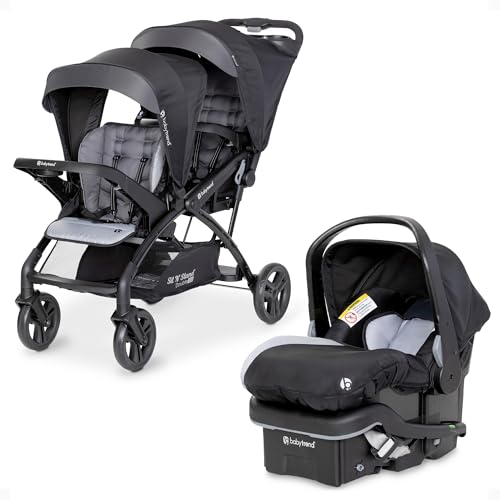
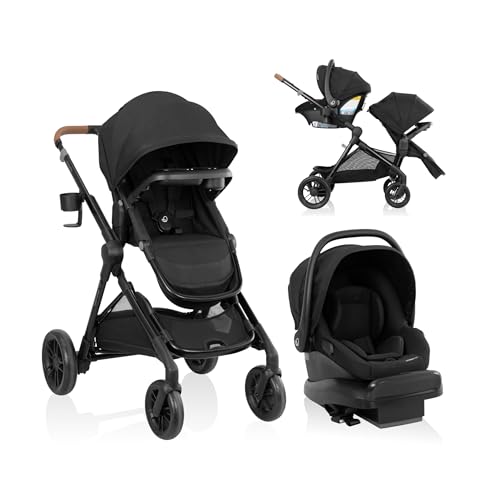
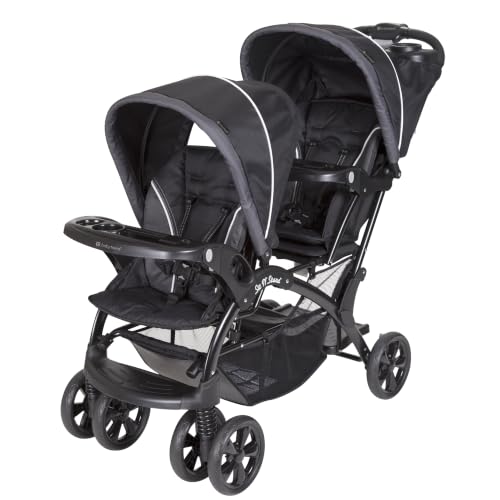
Double Car Seat Stroller Combo for Twins
Your complete guide to choosing a twin travel system that keeps both babies safe, comfortable, and easy to move — from the hospital parking lot to the neighborhood park.
Why this guide matters: When you are expecting twins, the logistics of getting out of the house multiply instantly. A double car seat stroller combo — often called a twin travel system — lets you click both infant car seats directly onto a double stroller frame without waking either baby. This single piece of gear can shape your daily routine for the first year or more.
Below you will find everything you need to evaluate before you decide: how twin travel systems are configured, which safety standards apply, how the two main frame styles compare, and the practical features that make or break day-to-day use with two infants.
What Is a Double Car Seat Stroller Combo for Twins?
A double car seat stroller combo for twins is a stroller frame or full-featured double stroller designed to accept two infant car seats simultaneously. Instead of transferring each baby from car seat to bassinet to stroller, you unlatch the car seat from the vehicle base and click it directly onto the stroller. With twins, this means one trip, one set of hands, and two sleeping babies who never leave their seats.
These systems usually fall into two broad categories: dedicated twin frames that hold only car seats, and convertible double strollers that accept car seats in the early months and then transition to toddler seating as your twins grow. Many families treat the combo as a long-term investment because a good convertible model can serve from newborn through preschool.
Key Takeaway
The "combo" part is what matters: the stroller and the car seats must be compatible by design or through a certified adapter. Never assume two products will work together just because they are the same brand — always confirm the specific car seat model is listed as compatible with the specific stroller model.
Why a Twin Travel System Is Different From a Single Combo
A single car seat stroller combo is a convenience. For twins, a double combo is closer to a necessity. Consider what happens without one: you either carry two infant car seats (each a substantial load) or you wake and transfer two sleeping newborns every time you move between car and stroller. Neither is sustainable on a daily basis.
- One-trip mobility: Both car seats click on and off the frame, so you make a single trip from the car to the destination.
- Undisturbed sleep: Newborns sleep in short windows. Keeping them in their car seats preserves those windows during errands and appointments.
- Balanced handling: Purpose-built twin frames distribute weight symmetrically, which matters more as both babies grow.
- Simplified storage: One folded stroller and two car seats replace a tangle of separate frames, bassinets, and carriers.
If you are still assembling your broader newborn list, our guide to things you actually need for a newborn pairs well with this page, and our newborn must-haves overview covers the essentials beyond strollers.
Tandem vs. Side-by-Side: The Two Core Configurations
Every double combo for twins uses one of two layouts, and the choice affects doorways, trunk space, and how the stroller feels to push. Understanding the trade-offs early will narrow your shortlist quickly.
Tandem (Front-and-Back) Layout
Tandem strollers place one seat behind the other. In car seat combo mode, one infant seat typically sits in front and the other behind. Tandems are generally narrower, which helps with standard doorways, checkout lanes, and crowded sidewalks. The trade-off is length — they can feel long to steer around tight corners, and the rear seat sometimes has less legroom as children grow. For families who mostly navigate urban environments and indoor spaces, tandem is often the more practical choice.
Side-by-Side Layout
Side-by-side doubles place the two seats next to each other. They offer equal seating for both children and a wide, stable base, and many parents find them easier to maneuver in open spaces like parks and parking lots. The main constraint is width: a side-by-side may not fit through narrow doorways or aisles. If you expect to spend most of your time outdoors or in wide-open venues, this layout can be the better fit.
Which Layout Fits Your Life?
Choose tandem if doorways, public transit, and indoor errands dominate your routine. Choose side-by-side if parks, trails, and open-air venues are your primary destinations. If you plan to jog with your twins, explore our guide to a double jogging stroller with car seat compatibility, which covers the athletic side-by-side category in more detail.
Safety Standards and Compatibility Checks
Safety is the non-negotiable core of this purchase. Two products that each meet their own standards can still be an unsafe pairing if they are not tested together. Work through this checklist before you commit:
- Certified compatibility: Confirm the exact car seat model appears on the stroller manufacturer's compatibility list — not just the brand name.
- Adapter integrity: If an adapter is required, use only the manufacturer's own adapter designed for that stroller and car seat pairing. Third-party adapters are a safety risk.
- Secure click and lock: Each car seat should seat with an audible click and require a deliberate release action. Test both sides, every time.
- Five-point harness in car seats: Infant car seats should have a snug five-point harness with a chest clip positioned at armpit level.
- Stability under load: A twin frame must remain stable with two car seats mounted, even on slight inclines. Check the stroller's stated weight limits for each position.
- Brake system: A foot-operated parking brake that locks both rear wheels is essential — you will frequently need both hands free.
- Recall awareness: Register both car seats and the stroller with the manufacturers so you receive recall notices directly.
Never place car seats on top of a stroller, shopping cart, or soft surface that is not designed to hold them. Always use the stroller in the configuration the manufacturer specifies for car seat mode, and recline the car seats to the angle recommended for newborns during extended use.
Features That Matter Day-to-Day With Twins
Beyond the basics, a handful of features separate a stroller you tolerate from one you genuinely rely on. Prioritize these when comparing models:
Folding and Transport
Twins mean more gear in the trunk. Look for a one-hand or two-step fold that collapses the frame into a compact footprint, and check the folded dimensions against your vehicle. A lightweight double stroller designed for travel can be a strong secondary option if trunk space is tight — see our guide to a lightweight double stroller for travel for that use case.
Storage and Accessibility
A generous under-seat basket that is reachable from both sides is worth more than it sounds — you will be carrying diapers, bottles, and a changing kit for two. Easy-access baskets and parent consoles with cup holders reduce the number of times you bend down.
Canopy Coverage
Each seat should have an independently adjustable canopy with substantial extension. Twins often need different sun angles at the same moment, and independent canopies let you shade one baby without disturbing the other. If you also need sun protection for car seats, our guide to a sun shade for strollers and car seats covers that accessory category.
Convertibility for the Toddler Years
The best twin travel systems are not one-phase products. A convertible double stroller accepts car seats now and then transitions to two toddler seats, keeping its usefulness well past the newborn stage. If you suspect you may eventually need flexibility for a single child or a different configuration, our overview of a single stroller that converts to double explains how modular systems work.
Tier Guide: How to Think About Quality Levels
Essential tier: Simple twin frames focused on car seat compatibility and basic folding — well-specified for the category and ideal if you plan to upgrade once the twins are toddlers.
Mid-tier: Convertible doubles with smoother suspension, better canopies, and more storage — a balanced tier that suits most families for the full first year and beyond.
Top-tier and premium: Flagship models with heavy-duty construction, premium materials, and refined push and fold mechanisms. These are long-term investments that hold up through multiple children.
Choosing Infant Car Seats for the Combo
The stroller is only half the equation. The infant car seats you pair with your twin frame must be compatible, correctly installed in your vehicle, and appropriate for newborn use. Key considerations:
- Rear-facing infant seats first: Most twin combos are built around rear-facing infant car seats that click onto the frame. Confirm each seat's minimum and maximum weight and height limits.
- Base installation: Two car seat bases must fit side by side in your vehicle's rear row — or in separate rows if that is your arrangement. Measure your back seat before buying.
- Seat weight: You will be lifting two seats. Compare the bare weight of each car seat, since a lighter seat makes a meaningful difference across hundreds of trips.
- Long-term car seat plan: When your twins outgrow infant seats, you will need convertible car seats. It helps to understand the broader category now — our guide to a rotating convertible car seat explains the next phase of car seat ownership.
If you plan to travel by air with your twins, a dedicated travel stroller can complement your combo. Our overview of a travel stroller for airplane use covers what to look for in a gate-check-friendly frame.
At-a-Glance Comparison: Twin Travel System Categories
The table below summarizes the main categories so you can match them to your routine. No figures are shown — use these descriptions to shortlist models, then verify specifics with each manufacturer.
| Category | Layout | Best For | Tier Positioning |
|---|---|---|---|
| Twin car seat frame | Tandem or side-by-side | Newborn-only phase, quick errands | Essential tier |
| Convertible double travel system | Tandem or side-by-side | Newborn through toddler years | Mid-tier to premium |
| All-terrain twin combo | Side-by-side | Outdoor walks, uneven paths | Mid-tier to top-tier |
| Lightweight twin frame | Tandem or side-by-side | Frequent travel, compact storage | Essential tier to mid-tier |
A Step-by-Step Decision Process
Work through these steps in order. Each one narrows the field before you start comparing individual models.
- Step 1 — Measure your vehicle: Check rear-seat width and trunk depth. Two car seat bases must fit side by side, and the folded stroller must fit in the trunk.
- Step 2 — Measure your doorways: Check the narrowest doorway in your home and any regular destination. This usually decides between tandem and side-by-side.
- Step 3 — Confirm compatibility: Shortlist infant car seats first, then find strollers whose manufacturer lists those exact seats as compatible.
- Step 4 — Decide on lifespan: A newborn-only frame is efficient for the first year; a convertible double costs more upfront but serves for years. Consider the things needed for mom after giving birth alongside gear to keep your overall setup balanced.
- Step 5 — Test the push and fold: If possible, handle the stroller in a store. With two car seats mounted, push and turn it. Fold it once. A twin stroller only works if you can manage it solo.
- Step 6 — Check storage and brakes: Confirm the basket is accessible and the parking brake locks both rear wheels securely.
Common Mistakes to Avoid
- Buying for the newborn phase only: Twins grow fast. If you choose a car-seat-only frame, plan the transition to a toddler-capable double stroller in advance.
- Ignoring adapter requirements: Some combos need a separate adapter per seat. Missing one adapter can leave you unable to use both seats at once.
- Skipping the in-person test: A stroller that feels light on paper can handle poorly with two seats loaded. Push before you commit.
- Overlooking the trunk: A double stroller that does not fit in your vehicle undermines the whole purpose of the combo.
- Forgetting the second car seat: Twin systems need two infant car seats and, in most cases, two vehicle bases. Budget your gear list accordingly.
Frequently Asked Questions
Do I need a double stroller and two infant car seats for twins?
For the newborn phase, yes. A double car seat stroller combo requires two compatible infant car seats. Most families also purchase two vehicle bases so both seats can be installed in the car at once. As your twins grow, you will transition to two convertible car seats.
Can I use one brand's car seat with another brand's stroller?
Only if the stroller manufacturer explicitly lists that car seat model as compatible, usually through a brand-specific adapter. Compatibility is model-specific, not brand-wide. Always verify the exact model pairing in the manufacturer's compatibility chart.
Is tandem or side-by-side better for twins?
Tandem fits through standard doorways more easily and suits urban and indoor use. Side-by-side offers equal seating and a wide, stable base, and is often easier to maneuver in open spaces like parks. The right answer depends on where you spend most of your time.
How long can twins use a car seat stroller combo?
Infant car seats typically accommodate newborns until they reach the seat's weight or height limit, which varies by model. A convertible double stroller extends usability into the toddler years; a car-seat-only frame is limited to the infant seat phase.
Can I jog with a double car seat stroller combo?
Only if the stroller is explicitly rated for jogging with car seats attached, and most are not. For exercise, a dedicated jogging stroller with a car seat adapter may be appropriate — see our guide to a double jogging stroller with car seat compatibility for the distinctions.
Ready to Shortlist Your Twin Travel System?
Use the checklist above, confirm compatibility with your chosen infant car seats, and browse curated options below to compare features side by side.