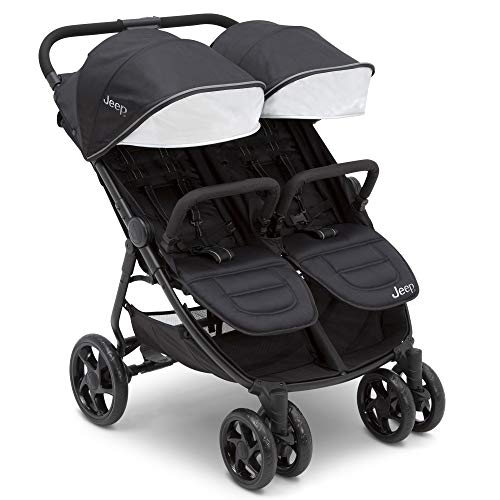
Lightweight Double Stroller for Travel: The Complete Buying Guide
Everything you need to know before choosing a lightweight double stroller for flights, road trips, and everyday adventures with two children. Compare folding styles, seat configurations, and travel-friendly features.
Why this guide matters: Traveling with two young children requires gear that folds quickly, rolls smoothly, and survives the journey. A lightweight double stroller for travel is one of the most consequential purchases you will make as a parent of two. This guide breaks down the features that actually matter on the road and in the air, so you can decide with confidence.
What Makes a Double Stroller Truly Travel-Friendly?
A double stroller marketed as "travel-friendly" must earn that label across several dimensions. Weight alone is not enough. The best travel double strollers balance a low carry weight with a compact fold, durable construction, and a design that survives being lifted, folded, and stowed repeatedly.
When parents search for a lightweight double stroller for travel, they are usually solving a specific problem: navigating an airport, fitting the stroller into a rental car trunk, or managing a compact apartment entryway. The ideal model addresses all of these without sacrificing the comfort of the children riding in it.
The Core Travel Criteria
- Carry weight: Look for models in the entry-level to mid-range weight class, typically well under the weight of a full-size double stroller. A lighter frame reduces strain when lifting the stroller onto a shuttle or into a trunk.
- Folded footprint: The folded dimensions matter more than the unfolded ones. A stroller that folds into a narrow, tall package is easier to store in tight spaces.
- Fold mechanism: One-hand or one-step folds are a genuine advantage when you are holding a child or a boarding pass. A stiff two-hand fold becomes frustrating at a gate.
- Wheel type: Smaller, swivel wheels navigate airport terminals well, while slightly larger wheels handle uneven sidewalks and cobblestones. Lockable front wheels add stability on rough terrain.
- Canopy coverage: A generous canopy with UV protection keeps children shaded during long waits outdoors and in bright terminals.
- Storage basket: A accessible under-seat basket holds a diaper bag, snacks, and travel documents. Look for a basket that remains usable when the seats are reclined.
Side-by-Side vs. Tandem: Which Configuration Travels Better?
The two dominant double stroller layouts behave very differently in travel scenarios. Understanding the trade-offs helps you match the stroller to your family's habits.
Side-by-Side Double Strollers
Side-by-side models place both children at the same height and offer equal access to each seat. They tend to be wider, which can be a drawback in narrow airplane aisles and older building doorways. However, many side-by-side designs fold flat and are surprisingly compact when collapsed. They are a strong choice for families who primarily travel by car and need quick access to both children.
Tandem (Inline) Double Strollers
Tandem strollers stack the seats front to back, producing a narrower profile that maneuvers through tight spaces more easily. This narrower footprint is a meaningful advantage in airports, on public transit, and in crowded terminals. The trade-off is that the rear seat often has less legroom, and the longer wheelbase can feel less agile when turning. For air travel specifically, tandem and inline designs are generally the more practical option.
Travel tip: If your itinerary includes regional jets or older aircraft with narrow aisles, prioritize a tandem or inline configuration. Width is the dimension that most often causes problems at the gate.
Comparing Double Stroller Tiers for Travel
Double strollers for travel fall into recognizable tiers. The table below maps each tier to the travel scenarios where it performs best. Descriptors are relative to the category and do not reference specific figures.
| Tier | Typical Strengths | Best For | Trade-Offs |
|---|---|---|---|
| Entry-level | Very light frame, simple fold, minimal features | Short trips, occasional air travel, families on a tight packing list | Fewer recline options, limited storage, basic canopy |
| Mid-range | Balanced weight and durability, multi-position recline, decent basket | Frequent flyers, everyday use plus travel, families with an infant and a toddler | Slightly heavier than entry-level, fold may require two hands |
| Premium | Refined fold mechanism, premium materials, superior canopy and suspension | Frequent long-haul travel, families who want one stroller for all scenarios | Higher carry weight, larger folded footprint on some models |
| Luxury / flagship | Top-tier fabrics, advanced suspension, near-flat recline, integrated accessories | Parents who prioritize ride comfort and long-term durability | Heaviest in the category, least compact fold |
Within each tier, the best lightweight double stroller for travel is the one whose folded dimensions and fold mechanism match your specific itinerary. A premium stroller with a bulky fold can be less practical than a well-designed mid-range model with a one-hand collapse.
Key Features to Prioritize Before You Buy
One-Hand Fold
A genuine one-hand fold lets you collapse the stroller while holding a child or managing luggage. Test this in person if possible; some "one-hand" claims require a firm push that is difficult in practice.
Standing Fold
A stroller that stands upright when folded is easier to store in a closet, restaurant corner, or rental car trunk without leaning it against a wall.
Car Seat Compatibility
If you travel with an infant, check whether the stroller accepts two infant car seats or one car seat plus one toddler seat. Adapter availability varies by brand.
Recline Range
Independent, multi-position recline for each seat is valuable for naps on the go. A near-flat recline supports newborns and resting toddlers.
Canopy and Ventilation
Look for extendable canopies with ventilation panels. Good airflow matters in warm terminals and during outdoor layovers.
Brake System
A single-step brake that locks both rear wheels is safer and faster than separate brakes, especially on sloped airport shuttle ramps.
Handle Height and Grip
An adjustable handlebar accommodates parents of different heights. A comfortable, padded grip reduces fatigue during long walking days.
Travel Bag Compatibility
A dedicated travel bag protects the stroller during gate-check and makes it easier to carry. Confirm that a bag is available for your chosen model.
Flying With a Double Stroller: What to Expect
Air travel is the most demanding test for any stroller. Airlines generally allow strollers to be gate-checked at no additional charge, but policies vary. The practical questions are whether the stroller fits through the security scanner, whether it can be used all the way to the gate, and how it survives the cargo hold.
Gate-Check vs. Overhead Bin
Most double strollers are gate-checked and retrieved on the jet bridge at the destination. A small number of ultra-compact models fold tightly enough to qualify as cabin baggage, but this is the exception rather than the rule for double strollers. If overhead-bin storage is a priority, verify the folded dimensions against your airline's published carry-on limits. For a deeper look at compact options, see our guide to a travel stroller that fits in an overhead bin.
Protecting Your Stroller in Transit
- Use a padded travel bag to reduce scuffs and damage during gate-check.
- Remove loose accessories, cup holders, and parent consoles before handing the stroller over.
- Label the stroller with a luggage tag containing your contact information.
- Photograph the stroller before boarding in case you need to file a damage claim.
For families traveling with a single infant, a dedicated travel stroller for infant for airplane use may be a better fit than a double. If you are still deciding between one and two seats, compare the logistics carefully before committing.
Road Trips and Car Travel With a Double Stroller
For car-based travel, the folded footprint and lift weight matter more than aisle width. A stroller that folds into a compact rectangle slides easily into a trunk alongside luggage, while a bulky fold forces compromises. Families who frequently drive should prioritize a stroller with a flat or standing fold and a carry weight that one adult can manage alone.
Car seat integration is another consideration. Some double strollers accept infant car seats through adapters, allowing you to move a sleeping baby from car to stroller without waking them. Verify adapter compatibility with your specific car seat model before purchasing. Our overview of a universal car seat adapter for stroller explains how adapters work across brands.
If you also need a single stroller for quick errands, an umbrella stroller attachment for double configurations can extend the life of an existing umbrella stroller rather than requiring a second purchase.
Traveling With an Infant and a Toddler
The most common double stroller scenario is one infant and one toddler. This combination places specific demands on the stroller: the infant needs a supportive, near-flat recline or a compatible car seat, while the toddler needs legroom and a seat that accommodates a growing body.
Many mid-range and premium double strollers offer a configurable setup where one seat reclines flat for the infant and the other remains upright for the toddler. Some models accept one infant car seat plus one toddler seat, which is often the most practical arrangement for air travel because it reduces the number of items you gate-check.
If your infant is still in a car seat for most trips, pairing a double stroller with a lightweight travel stroller with car seat adapter can simplify transitions between car, stroller, and airplane seat.
Double Strollers for Twins
Twins introduce a different set of priorities. Two infants of the same age need two supportive, reclining seats, and the stroller must accommodate two car seats if you plan to travel by air before the babies can sit upright. Side-by-side models are popular for twins because both seats are identical and equally accessible, but tandem models with two full-size seats are also viable and offer a narrower profile.
For twins, check that both seats recline independently and that the stroller can accept two infant car seats simultaneously if needed. Weight distribution also matters: a side-by-side stroller loaded with two infants can become difficult to steer if the frame is not rigid enough.
Maneuverability and Terrain Considerations
Travel rarely happens on perfectly smooth floors. Airport terminals, cobblestone streets, gravel paths, and grassy parks all demand different wheel behavior. The best lightweight double stroller for travel balances small, nimble wheels for indoor spaces with enough tread and suspension for outdoor surfaces.
- Swivel front wheels: Essential for tight turns in terminals and shops. Lock them on uneven ground for stability.
- Suspension: Even basic suspension reduces vibration on brick and cobblestone, which matters for sleeping infants.
- Wheel size: Slightly larger rear wheels improve rolling over curbs and thresholds without adding much weight.
- Turning radius: Tandem strollers have a longer wheelbase and a wider turning radius; practice maneuvering before a trip.
Safety Features That Are Non-Negotiable
Travel introduces unfamiliar environments, and safety features become more important, not less. Before purchasing any double stroller, confirm the following:
- Five-point harnesses: Both seats should have a five-point harness with adjustable straps. A three-point harness is not sufficient for travel.
- JPMA certification or equivalent: Look for certification from a recognized juvenile products safety body in your region.
- Brake reliability: Test the brake on a slope. A stroller that rolls when parked is a hazard on shuttle buses and trains.
- Frame stability: The frame should not flex noticeably when a child climbs in or out. A rigid frame also improves steering.
- Fabric safety: Fabrics should be free of harmful substances and easy to wipe clean. Travel exposes strollers to spills and weather.
Always register your stroller with the manufacturer so you receive recall notices. Check for recalls before buying a used model.
Keeping Your Travel Stroller in Shape
A lightweight double stroller used for travel takes more abuse than one that stays in the neighborhood. Regular maintenance extends its life and keeps it safe.
- Wipe down the frame and fabrics after each trip to remove grit and salt from roads and terminals.
- Lubricate the fold mechanism and wheel axles periodically according to the manufacturer's instructions.
- Check harness straps and buckles for fraying or stiffness after each flight.
- Store the stroller dry and folded in a protected area between trips.
- Inspect the frame for cracks or bending after gate-check, and file a claim promptly if damage occurs.
How to Choose: A Step-by-Step Decision Framework
- Define your primary travel mode. Air travel favors tandem or inline designs with a narrow profile and a one-hand fold. Car travel favors a compact folded footprint and a manageable lift weight.
- Identify your children's ages and needs. An infant and a toddler require a configurable setup with a near-flat recline or car seat compatibility. Twins require two full-size, independently reclining seats.
- Set your tier. Decide whether an entry-level, mid-range, or premium model fits your usage frequency. Frequent flyers generally benefit from the more refined fold and durability of mid-range and premium tiers.
- Verify folded dimensions against your constraints. Measure your car trunk, closet, and airline carry-on limits before comparing models.
- Confirm car seat compatibility. If you travel with an infant, check adapter availability for your specific car seat brand.
- Test the fold and push in person if possible. Fold mechanisms and steering feel vary widely, and a stroller that is easy for one parent to fold may be awkward for another.
- Check the warranty and replacement parts availability. Travel gear gets damaged; a manufacturer that supplies replacement wheels and fabrics extends the stroller's useful life.
Common Mistakes to Avoid
- Buying on weight alone. The lightest stroller is not automatically the most travel-friendly. Fold size, fold mechanism, and durability matter just as much.
- Assuming all double strollers fit through airplane aisles. Most do not. A narrow tandem profile is the safer bet for regional aircraft.
- Skipping the car seat compatibility check. An adapter that does not fit your car seat renders the stroller unusable for an infant on day one.
- Overlooking the storage basket. A basket that is blocked when seats recline is a daily frustration on long travel days.
- Ignoring the warranty. Travel damage is common. A strong warranty and available parts reduce long-term hassle.
Frequently Asked Questions
Can a lightweight double stroller fit in an airplane overhead bin?
Most double strollers do not fit in an overhead bin, but a few ultra-compact models fold small enough to qualify as cabin luggage. Always verify the folded dimensions against your airline's carry-on limits before flying.
Is a side-by-side or tandem double stroller better for travel?
Tandem models are narrower and easier to maneuver through airplane aisles and crowded terminals, while side-by-side models offer easier access for both children. For air travel, tandem or inline designs are generally more practical.
What is the maximum weight capacity of a lightweight double stroller?
Most lightweight double strollers support around 40 to 50 pounds per seat, though specifications vary by model. Check the manufacturer's stated capacity for each seat and the total weight limit before purchasing.
Do lightweight double strollers work for infants?
Many lightweight double strollers accept infant car seats via adapters, making them suitable from birth. However, not all models support two car seats simultaneously. Verify compatibility with your specific car seat brand.
How do I protect my stroller during gate-check?
Use a padded travel bag, remove loose accessories, label the stroller, and photograph it before boarding. These steps reduce damage risk and make any claim easier to file.
Final Thoughts
Choosing a lightweight double stroller for travel is a balancing act between weight, folded size, fold convenience, and child comfort. No single model is best for every family, but the decision becomes straightforward once you define your primary travel mode, your children's ages, and the physical constraints of your car and home.
Prioritize a one-hand fold, a compact folded footprint, and verified car seat compatibility if you travel with an infant. For air travel, favor a tandem or inline configuration. For road trips, favor a flat or standing fold that slides easily into a trunk. With those criteria in hand, you can compare models across tiers and choose the stroller that will serve your family through years of trips.