
Silicone Newborn Pacifiers: A Complete Guide for New Parents
Everything you need to know about choosing safe, soothing, and developmentally appropriate silicone pacifiers for your newborn — from material science and nipple shapes to hygiene routines and gentle weaning.
Pacifiers are among the first soothing tools many parents reach for, and for good reason. Sucking is a natural reflex that helps newborns self-regulate, calm their nervous system, and settle into sleep. Among the many options on the market, silicone newborn pacifiers have become the go-to choice for modern parents and healthcare providers alike. But what makes silicone different from latex? Which nipple shape is right for your baby? And how do you know when to size up or replace a pacifier? This guide walks you through every consideration so you can make a confident, informed decision.
Why Silicone Is the Preferred Material for Newborn Pacifiers
Silicone has steadily overtaken latex as the most recommended material for newborn pacifiers. Its popularity stems from a combination of safety, durability, and practicality that aligns well with the needs of infants and their caregivers.
Allergy-Friendly Composition
Silicone is synthetic and free from natural rubber proteins, which are responsible for latex allergies. For newborns with sensitive skin or a family history of allergies, a silicone pacifier removes one potential irritant from the equation.
Odorless and Tasteless
Unlike latex, silicone does not absorb flavors or odors over time. A silicone pacifier stays neutral, which matters for babies who are still developing their palate and learning to accept feeding experiences.
Heat Resistance
Silicone withstands high temperatures without degrading, making it compatible with boiling water sterilization and dishwasher cleaning. This durability supports the rigorous hygiene routines that newborns require.
Consistent Texture
Silicone maintains a uniform firmness and shape throughout its lifespan. Parents can rely on the nipple feeling the same from day one to replacement day, which helps babies build consistent sucking patterns.
Understanding Nipple Shapes and Orthodontic Designs
The shape of the pacifier nipple affects how your baby's mouth, jaw, and tongue engage during sucking. While all silicone newborn pacifiers serve the same core purpose, the design variations cater to different feeding styles and developmental needs.
| Nipple Style | Best For | Key Characteristics |
|---|---|---|
| Symmetrical (Orthodontic) | Breastfed and combination-fed babies | Flat top with a rounded bulb; supports natural tongue placement and minimizes pressure on the palate |
| Cherry (Round Bulb) | Newborns who prefer a familiar breast-like feel | Traditional rounded shape; soft and flexible; often chosen for very young infants |
| Angled (Contoured) | Babies with a strong suck reflex | Curved to fit the roof of the mouth; helps keep the pacifier in place during active sucking |
| Flat-Top Teat | Parents transitioning from bottle to pacifier | Resembles a bottle nipple profile; can ease acceptance for bottle-fed infants |
Many pediatric dental professionals recommend orthodontic silicone pacifiers because their symmetrical design distributes pressure more evenly across the developing jaw. If your baby is primarily breastfed, a symmetrical or cherry-shaped silicone pacifier often receives the warmest acceptance because it mimics the softness and movement of breastfeeding. You can also explore teething rings for infants as your baby grows and begins to explore oral soothing beyond the pacifier.
One-Piece Versus Multi-Piece Construction: Safety First
Pacifier construction is a critical safety consideration that often gets overlooked in favor of color and shape. Silicone newborn pacifiers come in two primary builds, and understanding the difference can help you prioritize your baby's well-being.
One-Piece Silicone Pacifiers
A single molded piece of silicone means there are no joints, seams, or detachable parts. This eliminates the risk of the nipple separating from the shield — a known choking hazard with multi-piece designs. For newborns who cannot yet manipulate objects, a one-piece silicone pacifier is the safest option available. Many premium-tier and top-tier pacifier brands have moved exclusively to one-piece silicone construction for this reason.
Multi-Piece Pacifiers
Some pacifiers combine a silicone nipple with a plastic shield and handle. While these can be perfectly safe when assembled correctly and inspected regularly, they require more vigilant maintenance. Entry-level and mid-range multi-piece pacifiers may use snap-fit or screw-in mechanisms that can loosen over time. If you choose a multi-piece design, check the connection point before every use and replace the pacifier at the first sign of wear.
For newborn use specifically, the one-piece silicone pacifier is widely regarded as the safest and most hygienic design. There are no crevices for moisture or debris to collect, and cleaning is straightforward. If you are building a soothing kit for your newborn, consider pairing pacifiers with other comfort items such as a newborn rattle or a musical stuffed animal for newborns to create a positive association with rest and relaxation.
Pacifier Sizing: Matching the Pacifier to Your Baby's Stage
Pacifier sizing is not a one-size-fits-all decision. Manufacturers design silicone pacifiers in age-specific sizes, and using the correct size supports both comfort and safety.
- Newborn (0–6 months): The nipple is shorter and narrower to fit a tiny mouth. The shield is proportioned to rest against small cheeks without covering the nose. This is the essential tier for the first half-year.
- Infant (6–12 months): Slightly longer and wider nipples accommodate growing oral structures. Shields may be a bit larger for added safety as babies become more mobile.
- Toddler (12–24 months): Designed for older children who still use a pacifier for sleep or comfort. Often available in orthodontic designs that support dental development during a critical growth phase.
Using a pacifier that is too small for your baby's age can create a choking risk if the entire pacifier fits in the mouth. Using one that is too large may cause discomfort and poor suction. Always follow the manufacturer's age guidance and transition to the next size when your baby outgrows the current one. If you are also preparing for feeding transitions, you may find our guide on bottle feeding accessories helpful for building a complementary feeding toolkit.
Essential Safety Features to Look For
Not all silicone newborn pacifiers are created equal. Beyond the basic material, several design and safety features should be on your checklist when evaluating options.
Ventilation Holes in the Shield
Air holes allow the skin to breathe and reduce the risk of moisture buildup and irritation around the mouth. They also prevent suction from sealing the shield against the face.
Rounded Shield Edges
Soft, rounded edges prevent pressure marks and discomfort on delicate newborn skin. Avoid shields with sharp or rough edges that can leave indentations.
Appropriate Shield Size
The shield should be wide enough that it cannot be swallowed but not so large that it obscures the nose or presses into the cheeks. A well-proportioned shield is a hallmark of mid-range and premium-tier pacifier designs.
BPA-Free and Phthalate-Free Materials
Reputable silicone pacifier brands explicitly state that their products are free from BPA, phthalates, and other potentially harmful chemicals. Always verify this on the packaging or product listing.
Nipple Flexibility and Firmness
The nipple should be soft enough to compress comfortably but firm enough to maintain its shape during sucking. Overly soft nipples can collapse, while overly firm ones may frustrate newborns.
No Detachable Parts
For newborns, a single-piece silicone design eliminates the risk of small parts coming loose. If a pacifier has a handle or ring, ensure it is permanently attached and cannot be removed by chewing or pulling.
Hygiene and Cleaning Best Practices
A silicone pacifier is only as safe as its cleanliness. Newborns have developing immune systems, and pacifiers can easily become vehicles for germs if not properly maintained. Establish a routine from day one.
Daily Cleaning Routine
- Rinse after each use. A quick rinse under warm running water removes saliva and milk residue before it dries and hardens.
- Wash with mild soap. Use warm water and a small amount of mild, fragrance-free dish soap. Avoid harsh detergents that can leave residue on the silicone.
- Sterilize regularly. For newborns, boiling the pacifier in water for five minutes or using a steam sterilizer is recommended several times per week. Silicone handles high heat well without degrading.
- Inspect before every use. Gently pull on the nipple and examine the shield for cracks, tears, or discoloration. If anything looks off, replace the pacifier immediately.
- Replace on schedule. Even with excellent care, silicone pacifiers should be replaced every four to eight weeks, or sooner if signs of wear appear.
Many parents pair pacifier cleaning with other baby care routines. If you are managing feeding equipment as well, our guide to silicone breast milk collector offers insights into safe silicone use across your baby's feeding accessories.
When to Introduce a Silicone Pacifier
Timing matters. For breastfeeding mothers, the general guidance is to wait until breastfeeding is well established — typically around three to four weeks — before introducing a pacifier. This allows your baby to learn efficient latch and sucking patterns at the breast without confusion from an artificial nipple. For formula-fed newborns, pacifiers can often be introduced earlier, though it is always wise to consult your pediatric provider.
Some hospitals offer silicone newborn pacifiers in the first days of life, and research suggests that pacifier use during sleep may reduce the risk of sudden infant death syndrome (SIDS). If your baby is in the newborn stage, discuss pacifier timing with your healthcare team to balance breastfeeding goals with soothing needs. You can also explore zip-up swaddles for newborns as a complementary soothing tool that supports sleep safety.
Gentle Weaning: When and How to Phase Out the Pacifier
Pacifiers are a valuable tool for the newborn stage, but prolonged use beyond toddlerhood can affect dental alignment and speech development. Most pediatric professionals suggest beginning to phase out pacifier use between eighteen months and two years, with complete weaning by age three.
Weaning does not have to be abrupt or stressful. Gradual approaches work best. Start by limiting pacifier use to sleep times and stressful moments, then reduce further as your child develops other self-soothing skills. Offer comfort objects or activities as replacements. Many families find that combining weaning with other developmental transitions — such as moving to a toddler bed or starting daycare — requires careful pacing so the child does not feel overwhelmed by too many changes at once.
If your baby is beginning to explore solid foods during this stage, our resources on baby food and infant oatmeal can support a smooth feeding transition as oral skills mature.
Top-Rated Silicone Newborn Pacifiers for Soothing Comfort
⚠️ AFFILIATE DISCLOSURE: This website contains affiliate links. As an Amazon Associate, we earn from qualifying purchases. If you make a purchase through these links, we may receive a small commission at no additional cost to you. Read our full affiliate policy.

Dr. Brown's HappyPaci Baby Pacifier, Gray, Green, Ecru, 0-6m, 4-Pack | Pack of 4 Pacifiers, 100% Silicone, Contoured One-Piece Design, BPA-Free
Check price on Amazon
Dr. Brown's HappyPaci Baby Pacifier, Light-Pink, Pink, White, 0-6m, 4-Pack | Pack of 4 Pacifiers, 100% Silicone, Contoured One-Piece Design, BPA-Free
Check price on Amazon
Comfy Cubs Baby Pacifiers, 5 Pack for 0+ Months, Soft Breast-Like Nipple Shape - CPSIA Compliant Silicone Pacifier for Newborns - Girl Pack Baby Essentials - Ideal Newborn Gift Set, Multicolor Neutral
Check price on Amazon
NUK First Choice Comfy Orthodontic Baby Pacifier, 0-6 Months, 5-Pack, Blue | Breast-Like Nipple Shape, 100% Medical-Grade Silicone, Heart-Shaped Shield, Supports Oral Development, BPA-Free
Check price on Amazon
Tommee Tippee Ultra-Light Silicone Pacifier, 0-6 Months Blue & Green | Symmetrical One-Piece Design, BPA-Free Silicone Binkies, Pack of 4
Check price on Amazon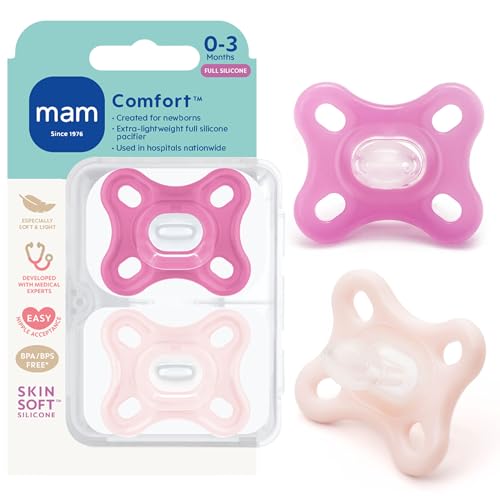
MAM Comfort Baby Pacifier 0-3 Mths Lightweight One-Piece Silicone 2 Pack | Specially For Smaller Newborn Mouths, BPA-Free, Easy To Clean, Best For Breastfed Babies, Sterilizer Case, Made In Europe
Check price on Amazon
Thyseed Newborn Silicone Pacifiers, Ultra-Light One-Piece,Orthodontic, for Breastfed Babies, 0-3-6 Months, BPA-Free, 2 Pack
Check price on Amazon
MAM Comfort Baby Pacifier 0-3 Mths Lightweight One-Piece Silicone 4 Pack | Specially For Smaller Newborn Mouths, BPA-Free, Easy To Clean, Best For Breastfed Babies, Made In Europe
Check price on AmazonPutting It All Together: Your Pacifier Decision Checklist
Choosing a silicone newborn pacifier comes down to a handful of decisions that align with your baby's needs and your family's priorities. Here is a summary to reference as you compare options.
Frequently Asked Questions
When can I introduce a silicone pacifier to my newborn?
Most pediatric professionals suggest waiting until breastfeeding is well established, often around three to four weeks, before introducing a silicone pacifier. This helps protect milk supply and latch development. For formula-fed infants, some parents introduce a pacifier earlier after consulting their healthcare provider.
Are silicone pacifiers safer than latex pacifiers?
Silicone pacifiers are generally preferred for newborns because they are free of natural rubber proteins that can trigger latex allergies. Silicone is also odorless, tasteless, and more resistant to high temperatures during sterilization. Latex remains softer and more flexible, which some babies prefer, but silicone offers a more predictable and allergy-friendly option.
What size silicone pacifier should a newborn use?
Newborn pacifiers are typically sized for babies from birth to around six months. Look for packaging labeled newborn or 0-6 months. Using an appropriately sized pacifier ensures the shield rests comfortably against the face and the nipple fits properly in the mouth without reaching too far back.
How often should I clean and replace a silicone pacifier?
Silicone pacifiers should be cleaned daily with warm soapy water and sterilized regularly, especially for newborns. Inspect the pacifier before each use by gently pulling on the nipple and checking for tears, discoloration, or stickiness. Replace pacifiers every four to eight weeks, or immediately if any damage is detected.
Can silicone pacifiers affect my baby's teeth?
Prolonged pacifier use beyond age two can influence dental development, potentially causing issues with bite alignment and tooth positioning. Choosing an orthodontic silicone pacifier with a symmetrical or angled nipple design may help minimize pressure on developing teeth. Limiting pacifier use to soothing moments and phasing it out by toddlerhood supports healthy oral development.