
Teething Rings for Infants: A Complete Guide
Expert advice on choosing the safest, most effective teething rings to soothe your baby’s discomfort. Discover materials, types, and top recommendations.
In This Guide
Understanding Teething
Teething is a significant developmental milestone that typically begins around 4 to 7 months of age, although it can start as early as 3 months or as late as 12 months. During this process, an infant's first set of teeth, known as primary or baby teeth, gradually push through the gums. This natural process can cause considerable discomfort, leading to irritability, excessive drooling, swollen gums, and a strong urge to chew on objects.
Common signs of teething include increased fussiness, difficulty sleeping, loss of appetite, and a tendency to bite or gnaw on fingers, toys, or other objects. Parents often notice that their baby becomes clingier and may experience mild temperature elevations, though a high fever is not typically associated with teething and warrants a visit to a healthcare professional.
Teething rings are specially designed tools that provide safe and effective relief. They offer a firm yet gentle surface for babies to chew on, which helps counteract the pressure of erupting teeth and can significantly reduce discomfort. A well-chosen teething ring is an essential addition to your baby gear arsenal, offering comfort and aiding in healthy oral development. For more insights on essential baby care items, explore our baby care section.
Types of Teething Rings
Teething rings come in a variety of styles, each designed to suit different preferences and stages of teething. Understanding the different types can help you select the most effective soother for your infant.
Classic Teething Rings
These are the traditional, often colorful rings made from materials like silicone or natural rubber. They are simple, durable, and easy for small hands to grasp. Some are designed with different textures on each side to massage the gums effectively.
Chillable Teething Rings
Many teething rings can be placed in the refrigerator (never the freezer) to provide a cooling sensation that numbs the gums and reduces inflammation. The cool temperature helps constrict blood vessels, providing immediate relief from pain and swelling. Always follow the manufacturer's instructions regarding chilling times.
Textured Teething Rings
These feature various bumps, ridges, and nubs that provide gentle massage and stimulation to the gums. The different textures can be particularly soothing during the early stages of teething when the gums are most sensitive. Many babies find the varied surfaces interesting and engaging.
Multi-Sensory Teething Rings
Some modern teethers incorporate additional sensory elements like rattles, crinkle fabrics, or brightly colored, BPA-free plastic components. These dual-purpose toys offer not only teething relief but also visual and auditory stimulation, supporting early sensory development.
Wearable Teething Rings
Designed as bracelets or necklaces for parents, these teething rings allow babies to chew safely while being held. They are typically made from food-grade silicone and are easy to clean. However, they should never be placed on the infant's own neck or wrist due to strangulation hazards.
For more ideas on engaging your baby's senses, check out our guide on sensory toys. If you're looking for toys that promote developmental milestones, our articles on newborn toys and infant toys offer excellent suggestions.
Materials & Safety
When it comes to teething rings, the material is paramount to your baby's safety. Here’s a breakdown of common materials and what to look for.
Silicone
Food-grade silicone is the most popular and widely recommended material for teething rings. It is non-toxic, BPA-free, phthalate-free, and PVC-free. Silicone is soft enough to be gentle on gums yet durable enough to withstand frequent chewing. It is also dishwasher safe, easy to sterilize, and doesn’t harbor bacteria. Look for products labeled "100% food-grade silicone."
Natural Rubber
Natural rubber, derived from the sap of rubber trees, is another safe and eco-friendly option. It is soft, flexible, and has a naturally bouncy texture that many babies enjoy. Ensure the product is made from 100% natural rubber and free from harmful additives. However, some babies with latex allergies may react to natural rubber.
Wood
Wooden teething rings have gained popularity for their natural, sustainable appeal. They are typically made from untreated, non-toxic woods like maple or birch. Look for rings that are free from varnishes, paints, and splinters. Wood can be a great option for babies who prefer a firmer surface to chew on.
What to Avoid
- Liquid-Filled Teethers: Avoid any teething ring that contains liquid. They can be punctured, and the liquid inside may not be safe if ingested.
- BPA, Phthalates, PVC: Always check labels to ensure the product is free from these harmful chemicals.
- Small, Detachable Parts: Ensure the teething ring is a single, solid piece without small parts that could become choking hazards.
How to Choose the Right Teether
Selecting the perfect teething ring for your infant involves considering their age, developmental stage, and personal preferences. Here are key factors to guide your decision.
Consider Your Baby's Age
Younger infants (around 4-6 months) may benefit from softer, more flexible teethers that are easy to grip with small hands. As babies grow and develop more coordination, they may prefer textured or multi-sensory teethers. For older infants and toddlers, firmer options like wooden rings may be more suitable.
Grip and Ease of Use
Look for teething rings designed with easy-grip handles, loops, or rounded edges. A ring that is too large or awkwardly shaped may frustrate your baby. Many designs are ergonomically shaped to fit perfectly in a baby's palm.
Texture Preferences
Every baby is different. Some prefer smooth surfaces, while others find relief in bumpy or ridged textures. It can be a good idea to try a couple of different designs to see what your baby likes best. Multi-texture teethers can be a great way to provide variety.
Chillable or Not
If your baby has particularly swollen or inflamed gums, a chillable teething ring can offer immediate relief. However, always follow safety guidelines and never freeze them, as extreme cold can damage delicate gums.
Remember, a teething ring is a temporary comfort tool. For longer-term soothing, many parents also find success with sleep bags for a consistent bedtime routine or incorporating a baby swing for gentle motion that can also be calming.
Usage & Safety Tips
To ensure your infant gets the most benefit and remains safe while using a teething ring, follow these essential tips.
- Clean Regularly: Teething rings should be cleaned before and after each use. Wash with warm, soapy water and rinse thoroughly. Many silicone rings are dishwasher safe for convenient sanitizing.
- Inspect Often: Before each use, check for any damage, such as cracks, tears, or loose pieces. If the teether is showing signs of wear, replace it immediately.
- Supervise Always: Never leave your baby unattended with a teething ring. Constant supervision is essential to ensure safety.
- Chilling Properly: Only chill teethers in the refrigerator, never in the freezer. Freezing can make the material too hard and may cause injury to your baby's gums or teeth.
- Wipe After Use: After your baby has finished using the teether, wipe it clean and store it in a clean, dry place.
- Avoid Strings or Ropes: Never attach a teething ring to a string, ribbon, or cord around your baby's neck. This poses a serious strangulation risk.
Frequently Asked Questions
When should I start using a teething ring?
Most experts recommend starting around 4 months of age, or when you see the first signs of teething such as drooling, chewing on hands, and fussiness. Always consult with your pediatrician if you are unsure.
Can a teething ring damage my baby's gums?
No, when used correctly, teething rings are safe and gentle on gums. Choose a soft, non-toxic material and always supervise use.
Can I freeze a teething ring?
No, you should never freeze a teething ring. The extreme cold can damage your baby's sensitive gums. Always chill in the refrigerator, not the freezer.
How do I clean a teething ring?
Wash with warm, soapy water and rinse thoroughly. Most silicone teethers are dishwasher safe. Always check the manufacturer's cleaning instructions.
How many teething rings do I need?
Having 2-3 different types is a good idea. This way, you always have a clean one ready, and you can offer variety in textures and shapes to keep your baby engaged and comfortable.
For more practical parenting advice, visit our parenting & development section, where we cover everything from newborn sleep to starting solids. You'll find a wealth of information to support you through every stage of parenthood.
Top-Rated Teething Rings for Infants
⚠️ AFFILIATE DISCLOSURE: This website contains affiliate links. As an Amazon Associate, we earn from qualifying purchases. If you make a purchase through these links, we may receive a small commission at no additional cost to you. Read our full affiliate policy.

Infantino Water Teethers, Cooling & Massaging Relief, Lime/Blue, 3-Pack

3 Pack Ring Teether Baby Infant Toys, Baby Essentials, Silicone Teething Ring Toys for Babies 0-6 Months, Seposeve Toddler Teethers 6-12 Months 12-24 Months, Infant Teething Relief, Purple Pink White

Baby Einstein Teether-Pillar Rattle and Chill Teething Toy, Ages 3 Months +
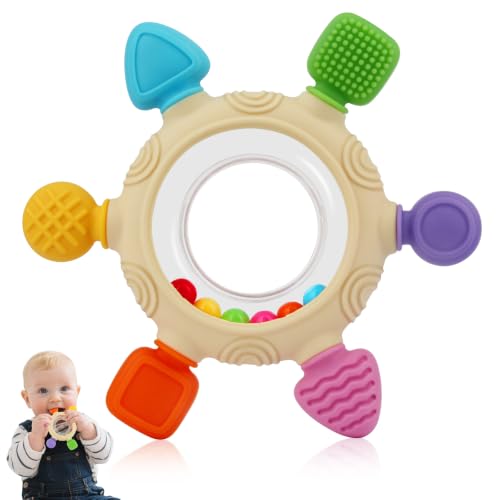
VTECHOLOGY Baby Teething Rings Toys for 0-6 6-12 Month Rattle Sensory Toys

Eascrozn Baby Teething Toys Set of 3, Silicone chew Toys 3M+ BPA Free

Nuby Ice Gel Teether Keys for Babies, Soft Teething Toy, Blue, 3M+

Infantino Water Teethers, Cooling & Massaging Relief, Lime/Pink, 3-Pack
