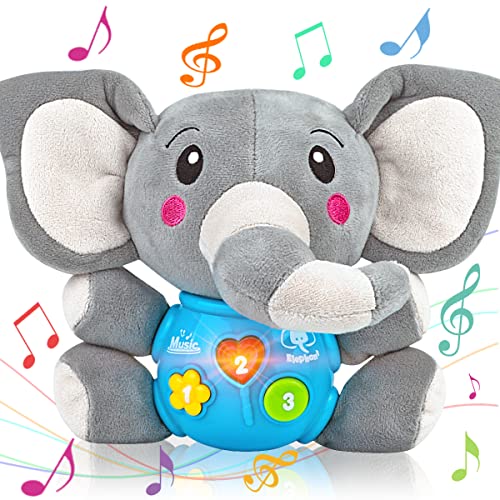
Musical Stuffed Animals for Newborns: A Parent's Complete Buying Guide
Learn how a musical plush companion can support your newborn's sleep routine, sensory development, and emotional comfort — plus the safety features that matter most before you bring one home.
EXPLORE THE GUIDEThe first few months of parenthood are a blur of feeding schedules, nap windows, and learning to read your baby's cues. In the middle of all that, a simple plush toy that plays a gentle lullaby can become a surprisingly reliable part of your calming toolkit. Musical stuffed animals for newborns sit at the intersection of comfort, sensory stimulation, and routine-building — which is why so many parents add one to their registry.
But not every musical plush is created equal. Some are designed with newborn safety in mind; others are essentially decorative toys that happen to have a sound chip. This guide walks you through what makes a musical stuffed animal genuinely useful for a newborn, how to evaluate safety, and which features are worth prioritizing. If you are also building out your baby's sleep environment, you may want to pair this with our baby bassinet guide and our overview of musical toys for infants.
Quick takeaway: A musical stuffed animal is best treated as a supervised comfort item for newborns — not a crib sleep aid. Choose one with a sealed sound unit, volume control, auto shut-off, and washable fabric, and always follow safe-sleep guidance.
Why Parents Choose Musical Stuffed Animals
A musical plush toy does more than look cute on a nursery shelf. Used thoughtfully, it can serve several practical roles in the newborn stage:
- Routine cue: Playing the same short lullaby before naps and bedtime helps signal that wind-down time has begun, which supports the development of predictable sleep routines.
- Sensory stimulation: Gentle melodies, soft textures, and high-contrast stitching give newborns something safe and engaging to look at and touch during supervised awake time.
- Comfort during transitions: A familiar sound can help soothe a baby during diaper changes, car rides, or the transition between arms and the bassinet.
- Parental bonding: Many parents use the musical feature as part of their own bonding ritual — a quiet moment of song and cuddle before sleep.
Newborns can hear clearly from birth and are especially responsive to rhythmic, melodic sound. That is why a soft lullaby tends to be more regulating than a busy, fast-paced tune. If you are exploring other sound-based comfort items, our guide to newborn rattles is a useful companion read.
Safety First: What Every Parent Needs to Know
⚠️ Safe-Sleep Reminder
Pediatric guidance is consistent: for the first year, the sleep space should be free of soft objects, loose bedding, and plush toys. A musical stuffed animal should not be left in the crib during unsupervised sleep. Use it during supervised play, tummy time, or as part of a calming routine while you are present, and store it away from the sleep area afterward.
Beyond safe-sleep rules, there are product-level safety factors to check before buying:
- Sealed sound unit: The battery compartment and speaker should be fully enclosed inside the plush body, with a screw-secured battery door that a curious toddler cannot open.
- No small detachable parts: Buttons, ribbons, plastic eyes, and loose tags are choking hazards. Embroidered facial features are the safer choice for newborns.
- Flame-resistant and non-toxic materials: Look for fabrics that meet recognized safety standards and avoid harsh chemical finishes.
- Volume control: Newborn hearing is delicate. Choose a toy with an adjustable volume that stays at a gentle level even at maximum output.
- Auto shut-off: A timer that stops the music after a few minutes prevents continuous playback and saves battery life.
- Washable fabric: Removable or machine-washable plush is essential for hygiene, since newborns spit up and drool frequently.
If your baby is teething and chewing on everything in sight, you may also want to review our teething rings for infants guide to keep safe chew toys on hand alongside the plush.
Key Features to Compare Before You Buy
Musical stuffed animals span a wide range of designs. The table below organizes the most important comparison points so you can match a product to your family's needs. Descriptors reflect relative market positioning rather than any specific figure.
| Feature | What to Look For | Best For |
|---|---|---|
| Sound unit design | Fully sealed, screw-secured battery door, gentle speaker | Newborns and early infancy |
| Volume and auto shut-off | Adjustable volume with a short timer | Bedtime routine use |
| Fabric and filling | Soft, breathable, machine-washable plush | Daily handling and hygiene |
| Facial features | Embroidered eyes and mouth, no loose parts | Supervised play and cuddling |
| Melody selection | Classical lullabies, white noise, or nature sounds | Sleep association and calming |
| Size and weight | Lightweight enough for a newborn to sense, large enough to avoid being a small-parts risk | Comfort and portability |
Understanding Product Tiers
Musical stuffed animals generally fall into three broad tiers. Using a tier framework helps you compare products without getting lost in marketing language.
Essential Tier
Simple plush with a basic single-melody sound chip. Solid choice for parents who want a straightforward comfort item and plan to use it mainly during supervised play.
Balanced Tier
Offers multiple melodies, volume control, auto shut-off, and washable fabric. A well-specified option for families who want a versatile bedtime-routine companion.
Premium Tier
Feature-rich designs with white noise options, longer timers, higher-grade plush materials, and refined stitching. A long-term investment for parents who value durability and sensory variety.
In general, mid-range models usually deliver the best balance of safety features and sensory variety, while premium-tier options make sense if you plan to keep the toy through toddlerhood. If you are also outfitting the nursery, our guide to nursery furniture sets with convertible cribs can help you plan the space around your baby's sleep and play zones.
How to Use a Musical Stuffed Animal with a Newborn
The way you introduce a musical plush matters as much as the product you choose. A few practical approaches:
- Anchor it to a routine. Play the same lullaby at the start of every wind-down sequence so your baby begins to associate the sound with sleep.
- Keep sessions short. A few minutes of gentle music is enough for a newborn. Long playback can overstimulate rather than soothe.
- Stay present. Use the toy during supervised cuddle time, tummy time, or while you are settling your baby, then move it out of the sleep space.
- Introduce textures gradually. Let your baby explore the plush surface during calm, alert periods before using it as a sleep cue.
- Clean regularly. Follow the manufacturer's washing instructions, and remove the sound unit before laundering where applicable.
If your baby responds well to rhythm and sound, you may also enjoy exploring baby play gyms that incorporate musical elements into supervised play.
How Musical Plush Toys Support Early Development
During the newborn stage, every sensory experience is building neural pathways. A musical stuffed animal contributes on several fronts:
- Auditory processing: Melodic patterns help babies begin to distinguish pitch, rhythm, and tone — foundational skills for later language development.
- Tactile exploration: Different fabric textures encourage reaching and grasping as motor skills develop.
- Visual tracking: Soft contrast in stitching and shape gives newborns something to focus on during alert periods.
- Emotional regulation: A consistent, familiar sound can reduce stress and support self-soothing as babies grow.
For a broader look at developmentally appropriate play, see our guide to developmentally appropriate toys for 1-year-olds to plan ahead as your baby grows.
Common Mistakes to Avoid
- Leaving the plush in the crib overnight. This conflicts with safe-sleep guidance for the first year.
- Ignoring volume levels. A toy that seems quiet in a store can be loud next to a newborn's ear.
- Choosing a toy with plastic eyes or loose ribbons. These are choking hazards and should be avoided for infants.
- Skipping the wash cycle. Plush toys collect drool and spit-up; regular cleaning is part of safe use.
- Overusing the music feature. Continuous playback can become background noise rather than a soothing cue.
Frequently Asked Questions
Are musical stuffed animals safe for newborns?
They can be safe when used correctly. The key is supervision: keep the plush out of the crib during unsupervised sleep, ensure the sound unit is fully sealed, and check for loose parts before each use. Used as a supervised comfort item, a musical plush is a reasonable addition to your newborn's awake-time routine.
What age can a baby sleep with a stuffed animal?
Most pediatric safety guidance suggests waiting until at least 12 months before allowing a stuffed animal in the crib during unsupervised sleep. Before that, treat musical plush toys as supervised play and routine items rather than sleep companions.
What features should I look for in a musical stuffed animal for a newborn?
Prioritize a sealed sound unit, adjustable volume, auto shut-off, machine-washable fabric, embroidered facial features, and a gentle lullaby or white noise option. A lightweight size that is easy to handle is also helpful for daily use.
How do I clean a musical stuffed animal?
Check the manufacturer's care label first. Many models allow you to remove the sound unit and machine-wash the plush on a gentle cycle, then air dry. Avoid submerging the electronic component in water.
Can a musical stuffed animal replace a white noise machine?
Not exactly. A musical plush is best for short, melodic cues tied to a routine, while a dedicated white noise machine provides continuous background sound. Many families use both, with the plush as a routine anchor and the sound machine for sustained sleep support. If you are setting up a full sleep environment, our baby bassinet guide covers related considerations.
Ready to Choose a Musical Plush for Your Newborn?
Review the recommended options below to compare features, safety design, and sensory benefits. Each pick is organized to help you match a musical stuffed animal to your family's routine.
VIEW RECOMMENDED OPTIONSAs you continue preparing for your baby's arrival, these related guides can help you build a complete, safe, and comfortable environment: our overview of baby stores for in-person shopping, our guide to breathable waterproof crib mattress protectors, and our roundup of crib sheet and changing pad cover sets. For families planning ahead, our musical toys for infants guide expands on sound-based play beyond the newborn stage.