Large Padded Play Mat for Hard Floors: The Complete Buying Guide
Everything you need to know about choosing a safe, comfortable, and durable play mat that protects your baby on tile, wood, laminate, and concrete surfaces.
Why a Quality Play Mat Matters: Hard floors are unforgiving on a baby's developing body. Whether your home features hardwood, tile, laminate, or polished concrete, a large padded play mat creates a dedicated safe zone that absorbs impacts from falls, insulates against cold surfaces, and provides a clean, comfortable area for tummy time, crawling, and early walking. But not all mats are created equal — thickness, material safety, surface grip, and size all play critical roles in your baby's safety and your peace of mind.
Key Factors When Choosing a Play Mat for Hard Floors
Hard flooring demands more from a play mat than carpet does. The mat must compensate for the lack of natural give, which means paying close attention to specific features that directly affect safety and comfort.
- Thickness: For hard floors, aim for a mat that is at least 0.5 inches (1.3 cm) thick. Mid-range options typically offer 0.6 to 0.8 inches (1.5 to 2 cm), while premium and top-tier mats reach 1 inch (2.5 cm) or more for maximum impact absorption during the crawling and early-walking stages.
- Material Safety: Look for mats made from non-toxic materials such as food-grade TPU, EVA foam, or high-density polyethylene. Ensure the product is free from BPA, phthalates, lead, formaldehyde, and heavy metals. Third-party certifications provide additional assurance that the material has been independently tested.
- Surface Texture: A textured or embossed surface provides grip for little hands and feet, reducing slips on smooth hard floors. Non-slip backing is equally important to keep the mat from sliding under active babies.
- Size and Coverage: A large mat measuring at least 6 by 4 feet creates a generous play zone that accommodates rolling, crawling, and the inevitable sprawl of toys. Larger sizes — 7 by 5 feet or more — are better suited for living rooms or playrooms where the mat serves as a permanent play station.
- Reversible Design: Many premium mats feature two usable sides with different patterns or colors, extending the mat's useful life and allowing you to refresh the look of your play space without buying a new product.
- Ease of Cleaning: A waterproof or water-resistant surface is essential for spit-up, spills, and diaper leaks. Wipe-clean surfaces are far easier to maintain than fabric-covered alternatives.
- Foldability and Storage: If your play area doubles as a living space, a foldable mat that compacts for storage is a practical choice. Look for mats with sealed edges that resist peeling after repeated folding.
Understanding Play Mat Tiers
Play mats fall into distinct tiers based on construction, materials, and features. Understanding these tiers helps you match a mat to your household's needs without over- or under-specifying.
| Tier | Typical Thickness | Material | Best For |
|---|---|---|---|
| Entry-Level | 0.4–0.5 inch | Basic EVA foam, single-layer | Short-term use, travel, secondary play areas |
| Mid-Range | 0.6–0.8 inch | TPU or high-density EVA, dual-layer | Daily use in nurseries and living rooms |
| Premium | 0.8–1 inch | Food-grade TPU, multi-layer, reversible | Active crawlers and early walkers, long-term use |
| Luxury | 1 inch+ | Premium multi-layer TPU, quilted or textured | Dedicated playrooms, families wanting top-tier safety and longevity |
Material Guide: What's Actually Safe?
The material composition of a play mat is the single most important safety consideration. Here's what you need to know about the most common options:
- TPU (Thermoplastic Polyurethane): The gold standard for premium play mats. TPU is flexible, durable, and typically free from harmful chemicals. It provides excellent cushioning and is easy to wipe clean. Mid-range and premium mats increasingly use TPU as the primary material.
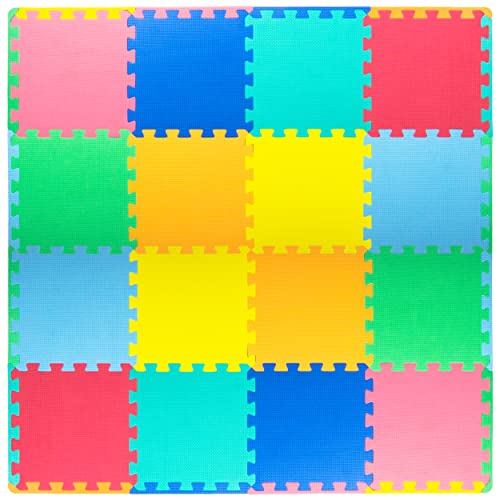
- EVA Foam: Common in entry-level and mid-range mats. Quality varies widely — look for EVA foam that is certified non-toxic and free from formamide and heavy metals. High-density EVA offers better durability than low-density alternatives.
- XPE Foam: A cross-linked polyethylene foam often used in mid-range mats. It is lightweight, water-resistant, and generally safe when properly certified. It offers good insulation against cold hard floors.
- PVC: Less common in modern play mats due to environmental and health concerns. If you encounter a PVC mat, verify that it is phthalate-free and meets safety standards.
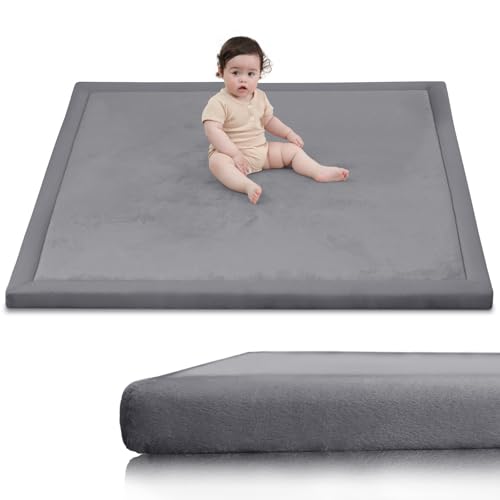
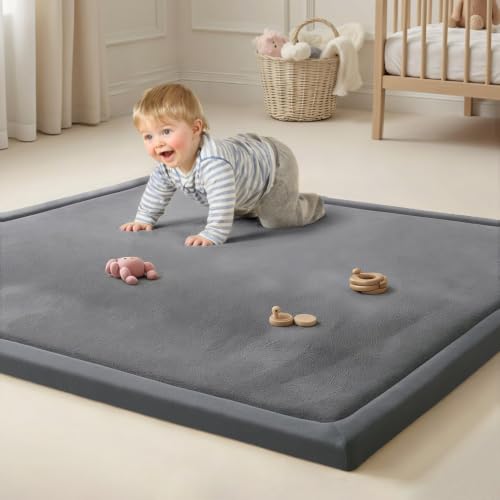
- Fabric-Covered Mats: While soft and aesthetically pleasing, fabric tops are harder to clean and less suitable for hard floors unless paired with a thick foam core and a waterproof backing. These are better suited for carpeted areas.
Setting Up Your Play Mat on Hard Floors
Proper placement and maintenance extend the life of your mat and maximize its safety benefits:
- Prepare the Surface: Clean and dry the hard floor before placing the mat. Dust and grit trapped underneath can cause slipping or damage the mat's backing over time.
- Use a Non-Slip Underlay: If your mat does not have a built-in non-slip backing, consider a thin rubber or felt underlay to prevent shifting on smooth surfaces like polished wood or tile.
- Avoid Direct Sunlight: Prolonged exposure to direct sunlight can cause some foam materials to degrade, fade, or become brittle. Position the mat away from windows with intense afternoon sun.
- Rotate Periodically: If the mat is in a high-traffic area, rotate it every few weeks to distribute wear evenly and prevent permanent compression marks.
- Clean Regularly: Wipe the surface with a damp cloth and mild soap. Avoid harsh chemicals or abrasive cleaners that can break down the material's protective surface.
- Check for Wear: Inspect the mat periodically for tears, peeling edges, or compressed areas. Replace the mat if the surface becomes compromised, as exposed foam can be a choking hazard or harbor bacteria.
Complementary Products for Your Baby's Play Area
A play mat is often the foundation of a larger baby-proofed play zone. Consider these related products to complete the setup:
- Play Yards and Activity Centers: A secure infant play yard can be placed on top of the mat to create a contained play space, while an infant standing activity center adds entertainment for older babies.
- Bouncers and Swings: For younger infants not yet mobile, an infant bouncer or infant swing and bouncer can be positioned next to the play mat for supervised relaxation.
- Changing Stations: Keep a dedicated infant changing pad nearby to avoid interrupting playtime for diaper changes.
- Monitoring: If your play area is in a separate room, a baby monitor with heart rate and oxygen monitoring provides additional peace of mind.
Frequently Asked Questions
How thick should a play mat be for hard floors?
For hard floors, a minimum thickness of 0.5 inches (1.3 cm) is recommended for basic cushioning. For babies who are sitting, crawling, or learning to walk, aim for 0.6 to 1 inch (1.5 to 2.5 cm) to provide adequate impact absorption and protect against bumps and falls.
Are foam play mats safe for babies?
Yes, when properly certified. Look for mats made from non-toxic materials that are explicitly free from BPA, phthalates, lead, and formaldehyde. Premium foam mats often use food-grade TPU or high-density EVA foam and carry third-party safety certifications confirming they meet toy safety standards.
Can I use a play mat on heated floors?
Most padded play mats work well on heated floors. Foam and TPU materials provide insulation and won't damage the heating system. However, avoid placing mats over radiant heating elements that exceed the manufacturer's recommended surface temperature, and check the mat's specifications for any heat-related restrictions.
How do I clean a padded play mat?
Wipe the surface with a damp cloth and mild soap. For deeper cleaning, use a diluted vinegar solution or a baby-safe surface cleaner. Avoid harsh chemicals, abrasive scrubbing, or soaking the mat in water. Dry thoroughly before use.
What size play mat is best for a living room?
For a living room where the mat will serve as a permanent play area, a large mat measuring at least 6 by 4 feet provides ample space for rolling, crawling, and toys. If you have the room, 7 by 5 feet or larger creates a more generous play zone that can accommodate multiple children or adults sitting alongside the baby.