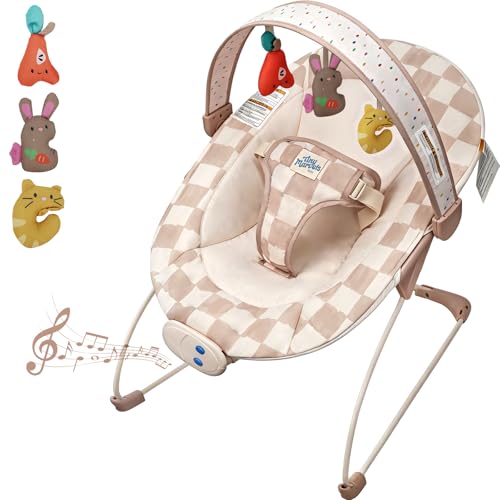
Ultimate Infant Bouncer Guide: Safety, Types & Top Picks
Find the perfect bouncer for your baby. Learn about different types, safety features, and what to look for before you buy.
SHOP TOP BOUNCERS →💡 Quick Take: An infant bouncer is more than a seat—it's a soothing, entertaining, and safe space for your baby. This guide covers everything from types and safety to the best models, helping you make an informed choice.
What Is an Infant Bouncer?
An infant bouncer is a lightweight, portable seat designed for babies from birth up to about 6 months (or until they can sit up unassisted). It gently bounces with your baby's movements, providing soothing stimulation and a cozy spot for play or rest. Unlike swings, bouncers are typically smaller, more portable, and often feature removable toys or vibration settings.
Whether you need a safe place to put your baby while you cook dinner, or a calming tool to soothe a fussy newborn, a bouncer is a versatile piece of baby essentials. In this guide, we’ll walk you through everything you need to know, from key features to the best bouncers on the market.
Types of Infant Bouncers
Choosing the right bouncer starts with understanding the different types available. Each offers unique benefits for your baby's comfort and your convenience.
- Classic Bouncer: Lightweight, frame-based with a fabric seat. Often includes a toy bar and vibration. Best for everyday use and portability.
- Rocking Bouncer: Features curved legs that allow a gentle rocking motion. Some models convert to a stationary seat. Great for soothing.
- Smart Bouncer: App-controlled, with automatic bouncing, built-in lullabies, and tracking features. Ideal for tech-savvy parents.
- Portable/Foldable Bouncer: Collapsible for travel. Lightweight and compact. Perfect for on-the-go families.
- Multifunctional Bouncer: Converts from a bouncer to a toddler chair or rocker. Extends usability beyond the infant stage.
When deciding, consider where you'll use it most, how often you travel, and whether you prefer manual or automatic motion. For compact spaces, a portable playard or a foldable bouncer can be a lifesaver.
Key Features to Look For
Not all bouncers are created equal. Here are the most important features to consider to ensure safety and satisfaction.
- Safety Harness: A 3-point or 5-point harness keeps your baby secure. Always buckle up.
- Sturdy Frame: A wide base prevents tipping. Metal frames are more durable than plastic.
- Removable/Washable Cover: Babies are messy. Machine-washable covers are a must.
- Vibration & Music: Many bouncers offer gentle vibration and lullabies to calm your baby.
- Adjustable Positions: Some bouncers have multiple recline angles for feeding, play, or sleep.
- Toy Bar: Removable toys with contrasting colors and textures stimulate visual and motor development.
- Portability: Lightweight design and foldability make it easy to move from room to room.
For parents who value convenience, look for models with a travel stroller-like foldability. The best bouncers combine safety, comfort, and practical features for both baby and parent.
Safety Guidelines for Infant Bouncers
Infant bouncers are generally safe, but following these guidelines will ensure your baby stays secure and comfortable.
- Always use the harness: Even if your baby seems still, always buckle the harness to prevent falls.
- Place on a flat surface: Never place a bouncer on a raised surface like a table or bed.
- Follow weight limits: Most bouncers support up to 20–25 lbs. Stop using once your baby exceeds the limit or can sit up.
- Never leave baby unattended: Always supervise your baby while in the bouncer, especially if they are active.
- Avoid long periods: Limit time in the bouncer to 20–30 minutes at a time to avoid flat head syndrome.
- Check for recalls: Register your product and check the manufacturer's website for safety recalls.
For more safety tips on baby gear, check out our baby car seat and baby stroller guides for a comprehensive approach to baby safety.
Top Infant Bouncers Comparison
To help you choose, here’s a quick comparison of some of the best bouncers based on features, safety, and value.
| Model | Weight Limit | Features | Portability | Price |
|---|---|---|---|---|
| BabyBjörn Bouncer | 20 lbs | Ergonomic, 2 positions, machine-washable, natural bounce | Foldable, lightweight | $200 |
| Fisher-Price Infant-to-Toddler Rocker | 40 lbs | Vibration, toy bar, converts to toddler chair | Moderate | $60 |
| 4moms mamaRoo | 25 lbs | 5 motions, 5 speeds, built-in sounds, Bluetooth | Stationary | $300 |
| Bright Starts Playful Pinwheels Bouncer | 20 lbs | Vibration, toy bar, compact | Lightweight | $40 |
Prices are approximate and may vary. For the most current pricing and availability, check the links in our product section below.
Pros and Cons of Infant Bouncers
✅ Pros
- Provides a safe space for baby while you do chores.
- Portable and easy to move around the house.
- Soothing motion and vibration can calm fussy babies.
- Encourages visual and motor development with toys.
- Often affordable compared to other baby gear.
❌ Cons
- Short usage window (up to 6 months or 20 lbs).
- Not a sleep device – not recommended for overnight sleep.
- Some models lack adjustable recline.
- Can be outgrown quickly by larger babies.
- Requires supervision at all times.
If you need a longer-lasting seating option, consider a high chair or a infant play yard that can grow with your child.
How to Choose the Right Bouncer for Your Baby
With so many options, picking the right bouncer can feel overwhelming. Here’s a simple step-by-step approach:
- Consider your lifestyle: Do you travel often? Choose a foldable, lightweight model. Do you need hands-free soothing? Go for a smart bouncer with automatic motion.
- Set a budget: Bouncers range from $40 to $300+. Determine what features matter most to you.
- Check weight limits: Ensure the bouncer can support your baby's weight and growth.
- Think about storage: If space is tight, look for compact or foldable designs.
- Read reviews: Real parent feedback can reveal durability and ease of use.
- Look for multi-use: Some bouncers convert to toddler chairs, extending their lifespan.
For additional baby gear guidance, visit our baby registry and newborn must-haves pages for a comprehensive checklist.
Frequently Asked Questions
When can my baby use a bouncer?
Most bouncers are suitable from birth (around 4–6 weeks) up to about 6 months or when your baby reaches the weight limit (typically 20–25 lbs).
Is a bouncer safe for sleep?
No. Infant bouncers are not designed for unsupervised sleep. They are for awake, supervised use. For safe sleep, always use a crib or bassinet.
Can I use a bouncer for a newborn?
Yes, but ensure the bouncer provides good head and neck support. Always use the harness and keep sessions short.
How do I clean the bouncer cover?
Most covers are machine-washable. Check the care label. For spot cleaning, use mild soap and water.
What's the difference between a bouncer and a swing?
A bouncer is smaller, portable, and relies on baby's movements or gentle vibration. A swing is larger, plugs in or uses batteries, and has a swinging motion. Both serve different purposes.
📦 Ready to buy? Browse our curated selection of top-rated infant bouncers below. Each product is chosen for safety, quality, and value. Click through to check prices and availability.