Hands Free Wearable Breast Pump: The Complete Buying Guide
Learn how cordless wearable pumps work, what separates mid-range from premium models, and how to choose the right fit for your pumping routine, wardrobe, and lifestyle.
Explore the Buying GuideWhy this guide matters: A hands free wearable breast pump can transform pumping from a stationary chore into something you can do while working, commuting, or caring for your baby. But not every wearable pump suits every parent. This guide walks you through how these devices work, the features worth comparing, fitting essentials, and realistic expectations so you can choose with confidence.
What Is a Hands Free Wearable Breast Pump?
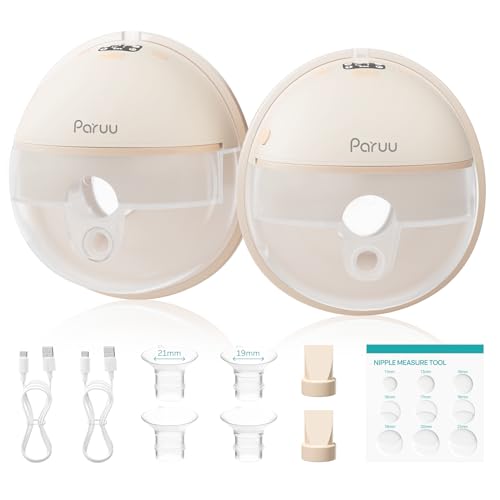
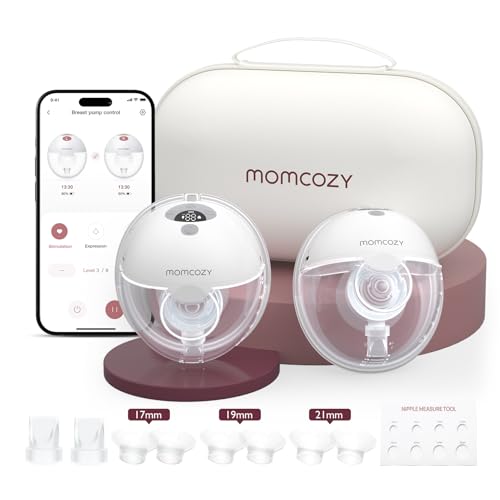
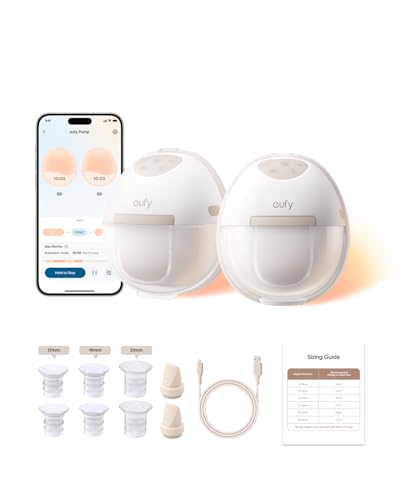
A hands free wearable breast pump is a self-contained, cordless pumping device that fits inside a nursing bra or hands-free pumping bra. Instead of connecting to external tubing and a separate motor unit, the pump motor, collection cup, and flange are integrated into a single wearable piece. Milk collects directly in the cup, and the entire assembly sits against your breast under your clothing.
Because there are no tubes and no wall outlet, you can pump while walking, working at a desk, preparing a meal, or tending to your baby. This makes wearable pumps especially useful as a secondary pump for on-the-go sessions, for parents returning to work, or for anyone who wants more flexibility during the day. For a broader comparison of pumping styles, see our guide to hands free electric breast pumps, and if you are exploring the category as a whole, start with the hands free breast pump overview.
How Do Wearable Breast Pumps Work?
Most hands free wearable breast pumps use a rechargeable battery and a small motor that creates suction through a flange and silicone diaphragm. The motor cycles through suction and release patterns to mimic a baby's nursing rhythm. Many models offer multiple suction levels and stimulation modes, and some include app connectivity for session tracking and remote control.
The collection cup sits inside the bra and holds the expressed milk, usually between a few ounces and several ounces depending on the model. Because the cup is worn against the body, fit and positioning matter a great deal: a properly fitted flange and a snug, supportive bra are essential for comfort and efficient milk removal. If you are new to pumping, our breastfeeding guide covers the fundamentals of milk removal and supply.
Key Benefits of Hands Free Pumping
True Multitasking
Pump while working, commuting, cooking, or caring for your baby. Because the pump is cordless and tubeless, your hands and attention stay free for other tasks.
Discreet and Portable
When paired with a supportive bra and loose clothing, many wearable pumps are barely noticeable. They slip into a bag and recharge via USB, so pumping does not require a dedicated room.
Simpler Setup
Fewer parts and no tubing means less assembly, fewer places for milk to hide, and a quicker path from setup to pumping — especially helpful for middle-of-the-night sessions.
Great as a Second Pump
Wearable pumps shine as a complement to a primary pump. Use a professional-grade pump for supply-building sessions and a wearable pump for convenience throughout the day.
Understanding Wearable Pump Tiers
Wearable pumps fall into broad quality tiers that reflect motor strength, build materials, suction consistency, and smart features. Rather than comparing figures, it helps to understand what each tier generally delivers so you can match a model to your needs.
Essential Tier
Basic cordless pumping with a single motor and a handful of suction levels. Solid for occasional use, short sessions, or as a backup pump.
Build materials are typically simpler, and suction consistency may vary more across a session compared with higher tiers.
Balanced Tier
Stronger motors, more suction and stimulation settings, and better flange and cup designs. A well-specified choice for daily pumping at work or on the go.
Expect more consistent suction and more comfortable fit options than entry-level models.
Top-Tier
Flagship features such as app connectivity, advanced suction patterns, quieter motors, and premium materials. Designed for frequent, long-term use.
These models often offer the most refined fit and the most consistent performance across a full pumping journey.
A mid-range model usually offers smoother, more consistent suction than an entry-level pump, while a top-tier model adds smarter controls and quieter operation. Choosing a tier is really about matching your pumping frequency and lifestyle to the feature set you will actually use.
Features to Compare Before You Choose
- Suction strength and modes: Look for adjustable suction levels plus a stimulation mode to help trigger let-down. More settings give you finer control over comfort.
- Flange and cup sizing: A properly fitted flange is the single biggest factor in comfort and output. Check whether the brand offers multiple sizes or sizing inserts.
- Battery life and charging: Cordless pumps run on rechargeable batteries. Consider how many sessions you need per charge and whether USB-C charging fits your routine.
- Noise level: Quieter motors matter if you plan to pump at work, in shared spaces, or during meetings.
- Capacity and spill resistance: Check the collection cup capacity and whether the design resists leaks when you lean forward or move around.
- App connectivity: Some top-tier models offer app controls, session tracking, and firmware updates. Useful if you like data, optional if you do not.
- Ease of cleaning: Fewer parts and dishwasher-safe components make daily routines much easier.
- Insurance eligibility: In some regions, breast pumps may be covered by health insurance. Learn more in our guide to hands free breast pumps with insurance.
Wearable Pump Comparison at a Glance
| Tier | Best For | Key Strengths | Considerations |
|---|---|---|---|
| Essential Tier | Occasional pumping and backups | Simple setup, lightweight, easy to pack | Fewer suction settings; fit options may be limited |
| Balanced Tier | Daily pumping at work or on the go | Stronger motor, more modes, better flange options | Check battery life for longer workdays |
| Top-Tier | Frequent, long-term pumping | Quiet motor, app controls, premium materials | More features than some parents need |
Getting the Right Fit
Fit is where most wearable pump frustrations begin. A flange that is too small can pinch and reduce output; one that is too large can pull in too much areola and cause discomfort. Measure your nipple diameter before pumping and again after a session, since size can change with milk flow, then match your measurement to the brand's sizing chart.
A supportive, snug nursing bra is equally important. The pump cup needs to sit firmly against the breast to maintain suction, but not so tightly that it compresses milk ducts. Many parents find that a hands-free pumping bra or a well-fitted sports-style nursing bra works best. If you have a larger bust, our guide to a hands free breast pump for large breasts covers fit and support considerations in more detail.
Realistic Expectations for Wearable Pumps
Wearable pumps are excellent convenience tools, but they are not always a full replacement for a primary pump. Output can vary by individual, by flange fit, and by model tier. Many parents use a professional-grade pump for scheduled sessions and a wearable pump for on-the-go or hands-busy moments. This hybrid approach often gives the best balance of output and flexibility.
Practical tip: If your goal is to build or maintain supply, treat a wearable pump as a complement rather than a replacement. Pair it with a consistent pumping schedule and a primary pump, and speak with a lactation consultant if output changes unexpectedly.
Insurance Coverage and Access Options
In many regions, health insurance plans cover breast pumps, and some plans include wearable or hands-free models. Coverage rules vary widely, so it helps to review your plan documents before choosing a model. Our guides to hands free breast pumps covered by insurance and hands free pumps covered by insurance walk through the typical steps, while getting a hands free breast pump through insurance explains the process in more detail. If you are comparing coverage paths, see health insurance covered breast pumps.
Fitting a Wearable Pump Into Your Routine
Wearable pumps work best when they fit naturally into your day. Many parents pump during commutes, while answering emails, or during a quiet moment with a book. Because the pump is cordless, you are not tied to a single spot, which makes it easier to maintain a consistent pumping schedule. If you are also bottle-feeding, our guide to hands free bottle feeding covers complementary approaches that keep your hands free.
For parents returning to work, a wearable pump paired with a supportive bra and a simple cooler bag can turn a stressful transition into a manageable routine. Keep spare parts on hand, charge the pump overnight, and store milk according to local guidelines.
Frequently Asked Questions
What is a hands free wearable breast pump?
A hands free wearable breast pump is a compact, cordless pumping device that fits inside a nursing bra or tank. It collects milk directly into a built-in cup, allowing you to pump without holding flanges or being tethered to a wall outlet.
Are wearable breast pumps as effective as traditional pumps?
Top-tier wearable pumps can be effective for many parents, but output varies by individual and by model. Hospital-grade and professional-grade traditional pumps typically remain the standard for exclusive pumping and supply-building, while wearable pumps work well for convenience pumping, on-the-go sessions, and as a second pump.
How do I choose the right flange size for a wearable pump?
Measure your nipple diameter before pumping and after a session, then match it to the manufacturer's sizing chart. A properly fitted flange should feel comfortable and allow milk to flow freely without pinching or excessive areola being pulled into the tunnel.
Can I use a wearable pump as my only pump?
Some parents do, but many find a hybrid approach works better: a primary pump for scheduled sessions and a wearable pump for convenience. If you plan to use a wearable pump exclusively, monitor output closely and consult a lactation consultant if you have concerns.
How often should I clean a wearable pump?
Clean the collection cup, flange, and any parts that contact milk after every session, following the manufacturer's instructions. Wipe the motor unit as needed. Keeping spare parts on hand makes frequent cleaning much easier.
Ready to Compare Wearable Pump Options?
Explore our recommended hands free wearable breast pump selections below. Each model is grouped by tier so you can compare features, fit options, and smart controls at a glance.
View Recommended Pumps