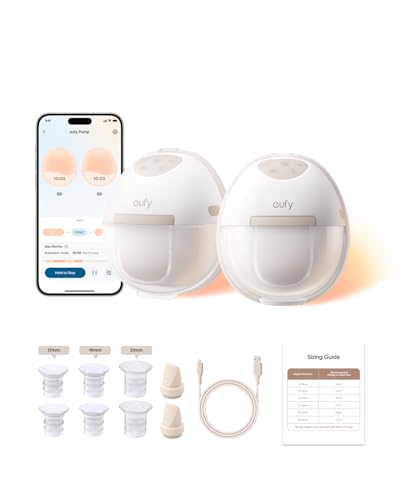
Hands Free Breast Pump for Large Breasts
Full-bust pumping is absolutely possible with a hands free setup. This guide explains how to choose a wearable or hands free pump that fits larger breasts, keeps suction strong, and stays comfortable through every session.
Why this guide matters: Most hands free pump reviews are written for average bust sizes. If you have larger breasts, you need different information: flange fit, bra support, cup placement, and suction stability. This guide covers exactly that so you can pump confidently and comfortably.
Why Large Breasts Need a Different Pumping Setup
Hands free pumping relies on the pump staying sealed against your breast without your hands holding it. With a larger bust, gravity, soft tissue, and cup size all affect that seal. A pump that works beautifully for a smaller-busted pumper can slip, leak, or lose suction on a fuller bust.
The good news is that the solution is not a special "large breast pump." It is the right combination of three things: a correctly sized flange, a supportive pumping bra, and a pump with reliable suction. Get those three right, and most hands free pumps become genuinely usable for large breasts.
The Three Pillars of Hands Free Pumping for Large Breasts
1. Flange Fit Comes First
Flange size is determined by nipple diameter, not cup size. Many full-bust pumpers assume they need the largest flange available, but an oversized flange pulls too much areola into the tunnel, which causes pain and reduces milk output. An undersized flange causes rubbing and blocked ducts.
Measure your nipple across the base before pumping. A well-fitted flange lets the nipple move freely in the tunnel with only a small amount of areola drawn in. If you are unsure, sizing inserts and flange sets let you fine-tune the fit. For a broader overview of pump styles, see our guide to the hands free breast pump category.
2. Supportive Pumping Bra
A hands free setup is only as good as the bra holding it. For large breasts, look for a pumping bra with wide straps, a firm underband, and adjustable closures. A bra that stretches or rolls will let the pump shift, break the seal, and cause leaks.
Many full-bust pumpers use a high-support sports-style pumping bra or a hands free pumping bra layered over a supportive base bra. If you are still deciding between pump types, our comparison of the hands free wearable breast pump versus traditional setups is a useful next read.
3. Reliable Suction and Cup Placement
Larger breasts need a pump that holds suction consistently. Wearable pumps that sit inside the bra depend on a firm seal, so placement matters: center the cup over the nipple and make sure the bra holds it flat against the breast rather than letting it tilt.
If you prefer a motor unit with tubing, a hands free electric breast pump with adjustable suction gives you more control over strength and rhythm, which can help maintain output on a fuller bust.
Hands Free Pump Types Compared for Large Breasts
| Pump Type | Tier | Best For | Large-Breast Consideration |
|---|---|---|---|
| Wearable in-bra pump | Mid-tier to premium | Discreet pumping on the go | Needs a firm, high-support bra to hold cups in place |
| Hands free electric pump with tubing | Essential tier to high-end tier | Strong, adjustable suction at home | Most control over suction; pair with a supportive bra |
| Pumping bra plus standard pump | Entry-level to mid-range | Simple hands free conversion | Support depends entirely on bra quality |
| Hospital-grade rental pump | Professional-grade | Building supply or exclusive pumping | Very strong suction; requires separate hands free bra |
How to Set Up Your Hands Free Pump for a Large Bust
- Measure and fit your flange. Measure nipple diameter, then choose the flange or insert that matches. Recheck the fit after a few sessions.
- Choose a high-support bra. Wide straps, firm underband, adjustable back. Test the fit before a pumping session.
- Position the cups correctly. Center each cup over the nipple. Make sure the bra holds the cup flat, not tilted.
- Start on a lower suction setting. Begin in stimulation mode, then increase gradually. Stronger is not always better.
- Check for leaks and suction loss. If the seal breaks, adjust the bra or flange before continuing.
- Clean and inspect parts. Worn valves and membranes weaken suction, which is more noticeable on a fuller bust.
Common Problems and Simple Fixes
- Pump slips or tilts: The bra is too loose. Switch to a firmer pumping bra or tighten the straps.
- Suction feels weak: Check flange size and replace worn valves or membranes.
- Nipple pain or rubbing: The flange is too small. Move up a size or use a sizing insert.
- Milk leaks around the cup: The cup is not centered, or the bra is letting it shift. Reposition and secure.
- Lower output than expected: Flange fit and suction strength are the usual culprits. Reassess both.
If you are navigating insurance options as well, our overview of a hands free breast pump covered by insurance explains how coverage often works.
Who Should Consider Each Setup
If you pump mostly at home and want maximum control, a hands free electric pump with adjustable suction and a high-support bra is usually the most reliable choice for large breasts. If you need portability and discretion, a wearable in-bra pump works well once the bra and flange are dialed in. If you are building supply or pumping exclusively, a professional-grade pump paired with a dedicated pumping bra offers the strongest suction and the most flexibility.
For a broader view of wearable options, our guide to the hands free wearable breast pump covers fit, battery life, and cup design in more detail. If you are comparing insurance pathways, the hands free pump covered by insurance article explains the common documentation and timing requirements.
Final Checklist Before You Buy
- Flange size measured and confirmed
- High-support pumping bra selected
- Pump suction adjustable and reliable
- Cup placement tested before a full session
- Spare valves and membranes on hand
- Cleaning routine planned
Frequently Asked Questions
Do hands free breast pumps work for large breasts?
Yes. They work well when the flange fits correctly and the bra provides firm support. Larger breasts need a secure seal, so fit and support matter more than the pump's brand.
What flange size do I need for large breasts?
Flange size depends on nipple diameter, not cup size. Many full-bust pumpers use flanges between 24mm and 30mm, but measure before you pump to confirm your size.
Can I use a wearable pump with a large bust?
Yes, with a high-support pumping bra. Wearable pumps sit inside the bra, so firm support keeps the cups centered and prevents leaks.
Why does my hands free pump lose suction on large breasts?
Suction loss usually comes from a poor flange fit, a loose bra, or worn silicone parts. Check the flange size, the bra support, and the valves and membranes.