Hands Free Electric Breast Pump: The Complete Buying Guide
Everything you need to know before choosing a wearable electric breast pump — suction settings, fit, portability, insurance coverage, and real-world pumping tips for busy mothers.
EXPLORE TOP PICKSCradleCheck Research Approach: We know that mothers researching hands free electric breast pumps are usually past the awareness stage — they already know they want a wearable pump and are comparing real specifications. This guide breaks down the features that matter most, so you can choose with confidence and head straight to the product that fits your routine.
What Is a Hands Free Electric Breast Pump?
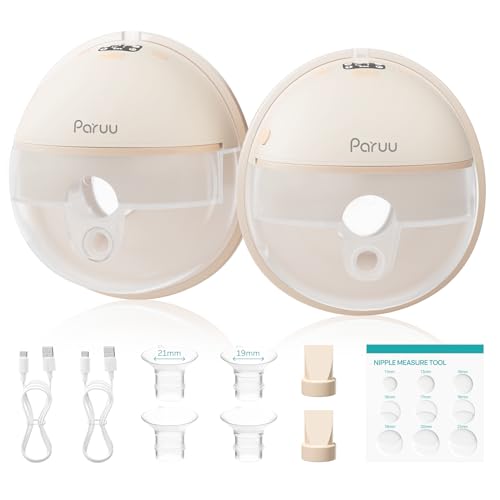
A hands free electric breast pump is a self-contained, battery-powered pumping device that fits inside a nursing bra or a specially designed pumping tank. Unlike traditional double electric pumps that require you to sit tethered to a motor unit and hold collection bottles in place, a hands free pump keeps the motor and collection cup close to the breast, leaving your hands free for other tasks.
These pumps are sometimes called wearable breast pumps or in-bra pumps. They are popular among working mothers, frequent travelers, and parents who pump while caring for older children. Most models include rechargeable batteries, adjustable suction and cycle settings, and collection cups that can hold several ounces per session. If you are still comparing pump styles, our guide to hands free wearable breast pumps explains how wearable designs differ from traditional hospital-grade and double electric pumps.
One of the biggest practical advantages is discretion. Because the pump sits inside your bra, you can pump at a desk, in a car, or on a plane without the usual setup of tubes and bottles. That said, hands free does not mean maintenance free — flange sizing, cleaning routines, and suction comfort still determine whether a pump works well for you.
Who Should Consider a Hands Free Electric Breast Pump?
Hands free electric pumps are not a universal replacement for every pumping situation. They tend to be most useful for:
- Working mothers who need to pump during short breaks and cannot set up a full pumping station.
- Mothers of multiples or toddlers who need to pump while supervising other children.
- Frequent travelers who want a compact pump that fits in a carry-on bag.
- Mothers establishing a stash who want a secondary pump to complement a primary double electric pump.
- Parents with large breasts who need specific fit guidance — see our guide to hands free breast pumps for large breasts for sizing considerations.
If you are exclusively pumping or need to establish supply in the early postpartum weeks, a hospital-grade or double electric pump may still be the primary tool. Many mothers use a hands free pump as a convenient secondary option for on-the-go sessions.
Key Features to Compare Before You Buy
When comparing hands free electric breast pumps, focus on the specifications that directly affect comfort, output, and daily usability. Here is what matters most.
1. Suction Strength and Adjustability
Suction strength is measured in millimeters of mercury (mmHg), though manufacturers present it differently. More important than the maximum number is the range of adjustable suction levels and cycle speeds. A pump with multiple suction and cycle combinations lets you mimic your baby's natural feeding rhythm and find a comfortable setting. Entry-level wearable pumps often offer fewer suction levels, while mid-range and premium models typically include more granular control and memory settings that remember your preferred program.
2. Flange and Cup Sizing
Proper flange fit is the single most important factor in pumping comfort and milk output. A flange that is too small or too large can cause pain, reduced output, and nipple damage. Many hands free pumps come with a default flange size, but premium models often include multiple insert sizes or sell them separately. Measure your nipple diameter before ordering and check whether the pump offers compatible sizing options.
3. Battery Life and Charging
Battery life determines how many pumping sessions you can complete between charges. Most hands free electric pumps offer enough battery capacity for several sessions, but heavy daily users should look for models with longer battery life and USB-C fast charging. Consider whether the pump can be used while charging — some can, some cannot.
4. Noise Level
Wearable pumps are designed to be discreet, but motor noise still varies. Premium models often use quieter brushless motors. If you plan to pump in an open office or during meetings, read user feedback about noise levels rather than relying on marketing claims alone.
5. Cleaning and Assembly
Hands free pumps have more parts than simple manual pumps — collection cups, diaphragms, valves, and flanges all need regular cleaning. Look for pumps with fewer parts, dishwasher-safe components, and clear assembly instructions. Pumps with wide openings are easier to clean thoroughly.
6. Portability and Fit
Check the physical dimensions and weight of each pump cup. Some models are bulkier and may show through clothing, while others are designed to sit flatter against the chest. If discretion matters to you, compare cup profiles and consider whether the pump fits comfortably inside your existing nursing bras.
Market Tiers for Hands Free Electric Breast Pumps
To help you compare products without focusing on price, we use a tier system that describes where a pump sits in the market relative to its features and build quality. The same tier logic applies across categories.
| Tier | Typical Characteristics | Best For |
|---|---|---|
| Essential Tier | Basic suction adjustability, fewer parts, shorter battery life, simpler motor design | Occasional pumping, backup use, first-time buyers testing wearable pumps |
| Balanced Tier | More suction levels, improved flange options, longer battery life, quieter motor | Daily working mothers, regular on-the-go pumping, secondary pump for established supply |
| Premium Tier | Granular suction control, memory settings, premium materials, discreet profile, fast charging | Frequent travelers, exclusive pumpers seeking a primary wearable, mothers prioritizing comfort |
| Professional-Grade Tier | Hospital-inspired suction patterns, robust motor, extensive sizing, durable construction | Mothers with supply challenges, exclusive pumpers, users needing maximum adjustability |
Balanced-tier models usually offer the best combination of adjustability and portability for most mothers. Essential-tier pumps can work well as a backup, while premium and professional-grade tiers are worthwhile investments for mothers who pump multiple times daily or need precise suction control.
Insurance Coverage for Hands Free Breast Pumps
Many health insurance plans cover breast pumps as part of maternity benefits, but coverage rules vary widely by plan and provider. Some plans reimburse a hands free electric pump directly, while others require you to purchase first and submit a claim. Before ordering, confirm:
- Whether your plan covers wearable or hands free pumps specifically.
- Whether a prescription or prior authorization is required.
- Whether the pump must be purchased from an in-network durable medical equipment supplier.
- What documentation you need for reimbursement.
Our detailed guides on hands free breast pumps with insurance and hands free breast pumps covered by insurance walk through the verification steps. If you are comparing coverage pathways, the overview of health insurance covered breast pumps explains the difference between direct billing and reimbursement models.
Hands Free Pumping Tips for Better Output
Even the best hands free pump depends on good technique. These tips help you get more from every session:
- Measure your flange size. A proper fit reduces pain and improves milk flow. Re-measure after the first few weeks postpartum, as nipple size can change.
- Use the right bra. A snug nursing bra keeps the cup sealed against the breast. Loose bras cause suction loss and reduced output.
- Start with stimulation mode. Most pumps have a faster, gentler stimulation phase before switching to deeper suction. Use it to trigger let-down.
- Stay relaxed. Stress hormones inhibit let-down. Looking at photos of your baby or doing breathing exercises can help.
- Pump consistently. If you are pumping at work, keep a regular schedule. Supply responds to frequency and completeness of milk removal.
- Clean parts after every session. Milk residue affects suction and hygiene. Follow the manufacturer's cleaning instructions carefully.
If you are combining pumping with bottle feeding, our guide to hands free bottle feeding covers how to manage feeding schedules and bottle transitions.
Common Mistakes to Avoid
Many mothers buy a hands free pump expecting it to replace a double electric pump entirely. While wearable pumps have improved dramatically, they still have limitations. Avoid these common mistakes:
- Buying before measuring flange size. The default flange rarely fits everyone. Order sizing inserts if needed.
- Ignoring battery specifications. If you pump at work all day, a short battery life means frequent charging interruptions.
- Assuming all wearable pumps are quiet. Read independent feedback about motor noise before committing.
- Skipping insurance verification. Many mothers miss reimbursement opportunities because they did not confirm coverage details in advance.
- Using a hands free pump as the only pump too early. During the first weeks postpartum, a hospital-grade or double electric pump may be more effective for establishing supply.
Ready to compare hands free electric breast pumps? Browse our curated selection below, filtered by the features that matter most for daily pumping.
VIEW RECOMMENDED PUMPSFrequently Asked Questions
What is a hands free electric breast pump?
A hands free electric breast pump is a wearable pumping device that fits inside a nursing bra or tank, allowing mothers to pump without holding the pump or being tethered to a machine. These pumps typically feature rechargeable batteries, adjustable suction settings, and collection cups that sit directly against the breast.
Are hands free electric breast pumps covered by insurance?
Many health insurance plans cover breast pumps as part of maternity care. Coverage varies by plan, so it is important to verify eligibility and reimbursement details with your insurance provider. Some plans cover wearable pumps directly, while others may require a prescription or prior authorization.
How do I choose the right hands free electric breast pump?
Consider suction strength, flange sizing, battery life, noise level, ease of cleaning, and portability. Mid-range and premium hands free pumps often offer more customizable suction settings and quieter motors. Also check whether the pump is compatible with your insurance plan and whether replacement parts are easy to find.
Can I use a hands free breast pump while working or traveling?
Yes. Hands free electric breast pumps are designed for portability and discreet use. Most models are rechargeable, fit inside a nursing bra, and can be used while working at a desk, commuting, or traveling. However, always follow the manufacturer's instructions regarding use during physical activity.
Is a hands free pump as effective as a traditional double electric pump?
Wearable pumps have improved significantly, but many mothers find that a traditional double electric pump still provides stronger, more consistent suction for establishing supply in the early postpartum weeks. Hands free pumps are often best used as a secondary pump for convenience, or as a primary pump after supply is well established.
Final Thoughts
A hands free electric breast pump can be a practical addition to your pumping routine, especially if you work outside the home, travel often, or care for other children while pumping. Focus on fit, suction adjustability, battery life, and noise level rather than marketing claims. Verify insurance coverage early, measure your flange size accurately, and choose a tier that matches how often you plan to pump. With the right pump and good technique, hands free pumping can make a meaningful difference in your daily routine.