Health Insurance Covered Breast Pumps
Your complete guide to understanding insurance coverage for breast pumps. Learn eligibility rules, prescription requirements, and how to choose the right pump for your needs.
Understanding Breast Pump Insurance Coverage
For many new mothers, a breast pump is an essential tool for maintaining milk supply, returning to work, or managing feeding schedules. What many parents do not realize is that most health insurance plans are required to cover breast pumps under the Affordable Care Act. This means you may be eligible to receive a health insurance covered breast pump at no out-of-pocket expense, provided you follow the proper steps.
Navigating insurance benefits can feel overwhelming, especially during pregnancy when you already have a long to-do list. This guide breaks down the process into clear, actionable steps so you can secure your pump with confidence and focus on what matters most: your growing family.
Who Is Eligible for an Insurance-Covered Breast Pump?
Eligibility for a hands-free breast pump with insurance depends on several factors. Generally, you qualify if you meet the following criteria:
- You are currently pregnant and have not yet given birth, or you have given birth within the past 12 months.
- You have an active health insurance plan that includes maternity and breastfeeding benefits.
- You have a prescription from your healthcare provider (OB/GYN, midwife, or pediatrician).
- Your plan's coverage window is active. Most plans allow you to order a pump within 30 to 60 days before your due date, or after delivery.
It is important to note that while the ACA mandates coverage, the type of pump covered depends on your specific plan. Some plans cover manual pumps, while others cover double electric or even hands-free breast pump covered by insurance models. Always verify with your insurer before ordering.
Step-by-Step: How to Get Your Covered Breast Pump
Follow this straightforward process to secure your hands-free breast pump through insurance:
- Review your insurance policy. Log into your insurance portal or call member services to confirm your breast pump benefit. Ask about the specific pump categories covered, the ordering window, and whether a durable medical equipment (DME) supplier is required.
- Obtain a prescription. Request a written prescription from your healthcare provider. Most insurers require the prescription to state the medical necessity of the pump, typically noting "breast pump for breastfeeding support."
- Choose a supplier. Many insurers work with specific DME suppliers or breast pump vendors. You can also use a breast pump marketplace that handles insurance billing directly, which simplifies the process significantly.
- Select your pump model. Compare the models available through your plan. Entry-level tier pumps are usually fully covered, while mid-range and premium tier options may require a small upgrade fee. Check availability and features before finalizing.
- Submit your order. Provide your prescription, insurance information, and any required documentation. Once approved, your pump will be shipped directly to your home, often within a few business days.
Types of Breast Pumps Available Through Insurance
Insurance plans typically cover a range of breast pump types. Understanding the options helps you make an informed choice for your lifestyle. Below is a comparison of common pump categories available through insurance programs.
| Pump Category | Best For | Key Features | Coverage Tier |
|---|---|---|---|
| Manual Pump | Occasional use, travel | Compact, no electricity needed, quiet | Essential tier |
| Single Electric Pump | Light daily use | Motorized, adjustable suction, portable | Entry-level |
| Double Electric Pump | Frequent pumping, returning to work | Dual pumping, stronger motor, customizable settings | Mid-range |
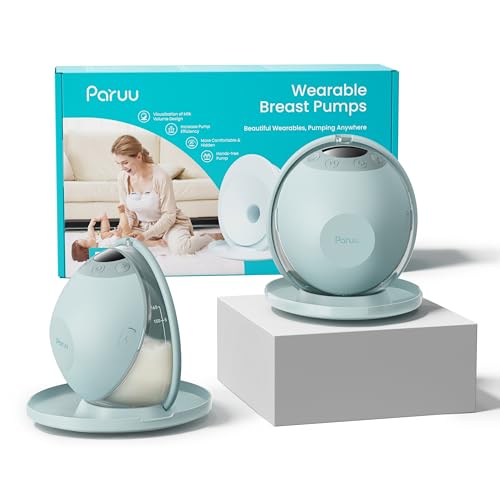
| Hands-Free Wearable Pump | Multitasking, on-the-go moms | Wireless, fits inside bra, discreet, portable | Premium |
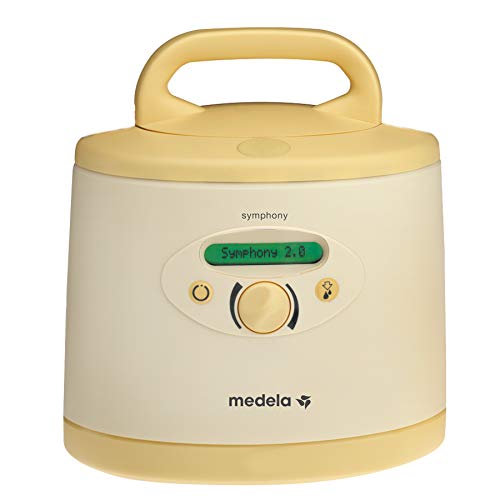
| Hospital-Grade Rental Pump | Establishing supply, special circumstances | Powerful suction, multi-user, requires rental agreement | Professional-grade |
If you are exploring wearable options, you may find our guide to the hands-free wearable breast pump helpful for comparing features and understanding which models are most commonly covered by insurance.
How to Choose the Right Pump for Your Needs
Selecting a breast pump is a personal decision that depends on your feeding goals, work schedule, and daily routine. Here are a few factors to consider when reviewing your insurance-covered options:
1. Frequency of Pumping
If you plan to pump daily or return to work, a double electric pump is often the most practical choice. For occasional use, a manual or single electric pump may suffice. Moms who need to pump while multitasking often prefer a hands-free electric breast pump that can be worn discreetly.
2. Portability and Discretion
Wearable pumps are designed to fit inside a nursing bra and operate quietly, making them ideal for busy parents. If discretion and mobility are priorities, look for models that your insurance plan covers under the wearable category.
3. Comfort and Fit
Proper flange fit is essential for efficient milk expression and comfort. Check whether the pump you select comes with multiple flange sizes or offers adjustable suction settings. Some premium tier models include silicone flanges and massage modes for added comfort.
4. Insurance Coverage Details
Before finalizing your choice, confirm with your insurer whether the pump model is fully covered or requires an upgrade fee. Understanding your plan's tier structure helps you avoid unexpected charges. For a deeper dive into coverage options, see our article on hands-free breast pump free with insurance.
Practical Tips for Maximizing Your Insurance Benefit
- Order during the eligible window. Most plans allow you to order a pump starting 30 to 60 days before your due date. Ordering too early may result in denial, so check your plan's specific timeline.
- Keep your prescription on file. Even if your supplier handles the paperwork, retain a copy of your prescription for your records.
- Ask about replacement parts. Some plans cover replacement tubing, flanges, and valves after a certain period. These small components affect pump performance and hygiene.
- Consider a backup pump. If your plan allows, you may be able to obtain a second pump for a different location, such as your workplace.
- Check for lactation support coverage. Many plans also cover visits with lactation consultants, which can be invaluable for first-time mothers.
For moms with larger bust sizes, finding a comfortable fit can be challenging. Our guide to the hands-free breast pump for large breasts covers fit considerations and models designed for added support.
Frequently Asked Questions
Is a breast pump really free through insurance?
In most cases, yes. Under the Affordable Care Act, health insurance plans are required to cover breastfeeding equipment and support. However, the specific pump model and any upgrade fees depend on your plan. Entry-level tier pumps are typically fully covered, while premium tier models may require a small upgrade charge.
When can I order my insurance-covered breast pump?
Most insurance plans allow you to order a pump within 30 to 60 days before your due date, or anytime after delivery. Check with your insurer for the exact ordering window, as policies vary.
Do I need a prescription for an insurance-covered breast pump?
Yes, most insurers require a prescription from your healthcare provider. The prescription should state that the pump is medically necessary for breastfeeding support. Some suppliers can obtain the prescription on your behalf.
Can I get a hands-free pump through insurance?
Many plans cover hands-free and wearable pump models, though availability varies. If your plan covers a hands-free pump covered by insurance, you can select a wearable model at no additional expense or with a small upgrade fee.
What if my insurance denies my breast pump claim?
If your claim is denied, contact your insurer to understand the reason. Common issues include missing prescriptions, ordering outside the eligible window, or using a non-approved supplier. You can appeal the decision or ask your provider to resubmit the documentation.
Does Medicaid cover breast pumps?
Yes, Medicaid programs are required to cover breastfeeding support and equipment under the ACA. Coverage details vary by state, so check with your local Medicaid office or a supplier that accepts Medicaid.
Ready to Claim Your Insurance-Covered Breast Pump?
Securing a health insurance covered breast pump is one of the most practical steps you can take to prepare for your breastfeeding journey. By understanding your benefits, obtaining a prescription, and choosing a supplier that works with your plan, you can access a high-quality pump without unnecessary stress.
Whether you need a basic double electric pump or a premium hands-free breast pump through insurance, the process is more accessible than ever. Take a few minutes to review your policy today, and enjoy the peace of mind that comes with being prepared.