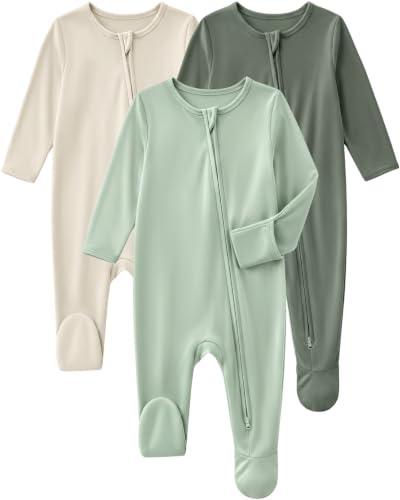
Footie Pajamas for Newborns: The Complete Buying Guide
Everything you need to know about choosing safe, comfortable, and well-made footed sleepers for your newborn. From fabric selection to safety standards, we break down what matters most.
Why Footie Pajamas Matter: Newborns sleep 14 to 17 hours a day, making sleepwear one of the most important items in their wardrobe. Footie pajamas keep tiny feet warm without loose blankets, simplify diaper changes, and provide the snug, secure fit that pediatricians recommend for safe sleep. This guide helps you choose the right ones with confidence.
What Are Footie Pajamas and Why Do Newborns Need Them?
Footie pajamas, also known as footed sleepers or baby onesies with feet, are one-piece garments that cover the entire body including the hands and feet. They typically feature a zip or snap closure running from the neck to one leg, allowing quick access for diaper changes. For newborns, footie pajamas serve multiple essential purposes:
- Temperature regulation: Newborns cannot regulate their body temperature efficiently. Footed sleepers keep the entire body warm, especially extremities, without the need for loose blankets that pose suffocation risks.
- Safe sleep compliance: Pediatric organizations recommend snug-fitting sleepwear for infants. Footie pajamas that meet safety standards eliminate the need for blankets, reducing the risk of overheating and sleep hazards.
- Convenience for parents: During nighttime feedings and frequent diaper changes, footed pajamas with inverted zippers allow quick access with minimal disruption to a sleeping baby.
- Protection and comfort: The enclosed feet prevent scratching from sharp newborn nails and keep socks from slipping off during sleep.
Understanding these core benefits helps frame every decision you make when selecting footie pajamas, from fabric choice to closure type.
Choosing the Right Fabric for Newborn Footie Pajamas
Fabric is arguably the most important consideration when buying footie pajamas for a newborn. A baby's skin is thinner and more permeable than an adult's, making it more susceptible to irritation and overheating. Here is a breakdown of the most common fabrics and their characteristics:
- 100% Cotton: The gold standard for newborn sleepwear. Cotton is breathable, soft, and gentle on sensitive skin. It is widely available and holds up well to frequent washing. Look for organic cotton if you want to minimize exposure to synthetic pesticides and dyes.
- Organic Cotton: Grown without synthetic fertilizers or pesticides, organic cotton is an excellent choice for babies with eczema or highly reactive skin. It is slightly softer than conventional cotton and often produced with fewer chemical finishes.
- Bamboo Viscose or Modal: These semi-synthetic fabrics derived from wood pulp are exceptionally soft and naturally moisture-wicking. They are ideal for babies who tend to overheat or for warmer climates, though they may require more delicate laundering.
- Fleece: Synthetic fleece provides warmth for cooler months but traps heat and moisture. Use fleece footie pajamas only in cold rooms and monitor your baby for signs of overheating. Avoid fleece for babies with sensitive skin.
- Cotton-Polyester Blends: These blends offer durability and resistance to shrinking. They are common in entry-level sleepwear but may be less breathable than pure cotton. Check for snug-fit labeling.
For most newborns, a rotation of cotton and organic cotton footie pajamas covers the majority of needs. Add one or two bamboo or fleece sleepers if you live in a climate with distinct seasons.
Key Features to Look For in Newborn Footie Pajamas
Inverted Zipper
A zipper that opens from the ankle upward lets you change diapers without fully undressing your baby. This is especially valuable during nighttime feedings when minimal disruption helps everyone return to sleep faster.
Chin Guard
A fabric flap that covers the top of the zipper prevents scratching and irritation around your newborn's neck and chin. This small detail significantly improves comfort and safety.
Snug Fit
Snug-fitting sleepwear is recommended by safety organizations because loose fabric can ride up and pose hazards. Look for footie pajamas labeled as snug-fitting and made from flame-resistant or tight-fitting cotton.
Fold-Over Mittens
Built-in mittens on the sleeves protect your newborn's face from sharp nails and keep hands warm. They are particularly useful during the first few weeks when nails are tiny and difficult to trim.
Two-Way Zipper
A two-way zipper opens from both the neck and the ankle, offering maximum flexibility. You can unzip just the bottom for diaper changes or open the top for dressing without fully removing the garment.
Tagless Design
Printed labels instead of sewn-in tags reduce irritation on your newborn's sensitive skin. Tagless construction is a hallmark of well-designed newborn sleepwear.
Sizing Guide: How Many Footie Pajamas Does a Newborn Need?
Newborn sizing can be confusing because babies grow at different rates. Most footie pajamas are sized by weight and age, but age is often a less reliable indicator than weight. Here is a practical approach to building your newborn's footie pajama wardrobe:
- Newborn (up to 8-9 lbs): Start with four to six footie pajamas in newborn size. Many babies outgrow this size within the first month, so avoid overbuying. Keep a couple of these on hand for the earliest days.
- 0-3 Months (8-12 lbs): This is the workhorse size for most newborns. Plan for six to eight footie pajamas in this range. They will fit through the first few months and accommodate rapid growth.
- 3-6 Months (12-16 lbs): Have two to four footie pajamas ready in this size so you are not caught off guard when your baby has a growth spurt.
A common mistake is buying too many newborn-size sleepers. Babies often skip this size entirely or wear it for only two to three weeks. Focus your initial purchases on the 0-3 month range and supplement with a smaller number of newborn-size pieces. For more guidance on building a complete newborn wardrobe, see our first impressions infant clothing guide.
Comparing Footie Pajama Tiers
| Tier | Best For | Typical Features | Fabric Focus |
|---|---|---|---|
| Entry-Level | Everyday rotation, backup pairs, daycare | Basic zip closure, snap or zip front, standard fit | Cotton-polyester blends, basic cotton |
| Mid-Range | Nightly sleepwear, sensitive skin, extended wear | Inverted or two-way zipper, chin guard, tagless labels, fold-over mittens | 100% cotton, organic cotton, modal blends |
| Premium | Gifts, heirloom-quality pieces, babies with eczema | Two-way zippers, reinforced stitching, convertible foot cuffs, certified organic fabrics | GOTS-certified organic cotton, bamboo viscose, merino blends |
Note: Mid-range footie pajamas typically offer the best balance of durability, comfort features, and fabric quality for most families. Entry-level options work well for backup pairs, while premium pieces are worthwhile for babies with skin sensitivities or as long-lasting gifts.
Safety Standards and What to Avoid
Newborn sleepwear is regulated for safety, but not all footie pajamas on the market are created equal. Here is what to check before purchasing:
- Snug-fitting labeling: In the United States, sleepwear must either be flame-resistant or snug-fitting. Snug-fitting footie pajamas made from cotton are the preferred choice because they avoid chemical flame retardants. Look for the snug-fit label on the packaging.
- No loose elements: Avoid footie pajamas with drawstrings, bows, appliques, or decorative buttons that could detach and pose a choking hazard. Embroidered or printed designs are safer alternatives.
- Zipper safety: Ensure the zipper has a protective chin guard and that the zipper pull is securely attached. Inverted zippers should have a locking mechanism to prevent accidental opening.
- Proper fit: Footie pajamas should fit snugly without restricting movement. The feet should have a little room for toes to wiggle, but not so much that the fabric bunches. Avoid sizes that are too large, as excess fabric can ride up over the face.
- CPSC compliance: Check that the brand follows Consumer Product Safety Commission guidelines for children's sleepwear. Reputable brands display this information on their websites and packaging.
For a broader look at infant clothing safety and fabric considerations, explore our resources on infant clothing essentials and eczema-friendly baby products.
Ready to Build Your Newborn's Sleepwear Rotation?
Browse our curated selection of footie pajamas and sleepwear essentials for newborns.
View Recommended ProductsHow to Choose the Best Footie Pajamas for Your Newborn
With so many options available, narrowing down your choices comes down to a few practical questions:
- What is the climate like? Lightweight cotton footie pajamas work year-round in temperature-controlled homes. Add fleece or bamboo for colder months. If you live in a warm climate, bamboo viscose offers breathability and moisture-wicking comfort.
- Does your baby have sensitive skin? Choose GOTS-certified organic cotton and avoid synthetic fabrics, dyes, and chemical finishes. Tagless construction and covered zippers are especially important for babies prone to eczema or contact dermatitis.
- How often will you do laundry? If you plan to wash baby clothes every two to three days, six to eight footie pajamas are sufficient. If laundry happens less frequently, aim for ten or more in rotation.
- What closure type suits your routine? Inverted zippers are the easiest for nighttime changes. Two-way zippers offer maximum flexibility. Snap closures are traditional but slower to manage during the night.
- Are you buying for now or for later? Newborn-size footie pajamas have a short lifespan. Consider buying a few in newborn size and more in the 0-3 month range to get the most use from your purchase.
Caring for Newborn Footie Pajamas
Proper care extends the life of footie pajamas and keeps them safe for your baby:
- Wash new footie pajamas before first use to remove manufacturing residue.
- Use a gentle, fragrance-free detergent formulated for baby clothes. Avoid fabric softeners, which can reduce breathability and irritate skin.
- Wash in warm water on a gentle cycle and tumble dry on low heat to prevent shrinkage. Cotton footie pajamas may shrink slightly after the first wash, so account for this when sizing.
- Check zippers and seams regularly for wear. Replace any footie pajamas with broken zippers, loose threads, or damaged fabric.
- Store clean footie pajamas in a dry place away from direct sunlight to prevent fabric degradation.
Frequently Asked Questions About Newborn Footie Pajamas
How many footie pajamas does a newborn need?
A practical starting wardrobe usually includes six to eight footie pajamas. Newborns need frequent changes due to spit-up, diaper leaks, and night feedings, so having a rotation of seven to ten sleepers ensures you always have a clean one available without doing laundry every single day.
What fabric is best for newborn footie pajamas?
Cotton is the most breathable and gentle option for most newborns, especially those with sensitive skin. Organic cotton offers a chemical-free alternative. For cooler climates or winter babies, modal or bamboo blends provide extra warmth with softness. Avoid synthetic fabrics that trap heat unless specifically designed as breathable fleece.
Should newborns wear footie pajamas to sleep?
Yes, footie pajamas are an excellent sleepwear choice for newborns because they keep feet warm without the need for loose blankets, which are unsafe for infants. Choose a snug-fitting sleeper made from breathable fabric and adjust room temperature accordingly. Avoid overdressing to prevent overheating.
What safety features should I look for in newborn footie pajamas?
Look for snug-fitting designs that meet CPSC sleepwear standards, flame-resistant or tight-fitting cotton construction, and zippers with protective chin guards. Avoid loose-fitting garments, drawstrings, and decorative elements that could detach. Inverted zippers are convenient for nighttime diaper changes.