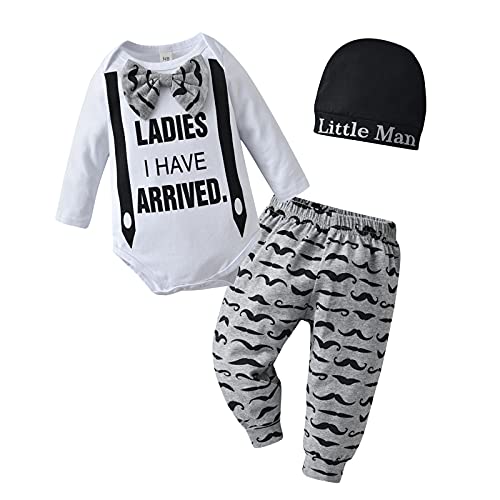
First Impressions Infant Clothing
Everything you need to know about choosing safe, comfortable, and practical clothing for your newborn's first wardrobe — from fabric choices to sizing and everyday essentials.
Why First Impressions Matter: A newborn's skin is thinner, more porous, and far more sensitive than an adult's. The clothing you choose for those first weeks and months directly affects your baby's comfort, sleep quality, and skin health. This guide walks you through fabric selection, fit considerations, safety standards, and wardrobe planning so you can build a functional first wardrobe with confidence.
Understanding Newborn Skin and Fabric Selection
Newborn skin is approximately 30% thinner than adult skin and loses moisture more quickly. It also has a less developed skin barrier, making it more vulnerable to irritation from rough fabrics, dyes, and chemical finishes. When you shop for infant clothing, fabric composition should be your first filter — before style, before brand, and before anything else.
Which Fabrics Are Best for Newborns?
The ideal newborn fabric balances breathability, softness, and durability. Here is how common materials compare:
| Fabric Type | Best For | Key Properties | Market Position |
|---|---|---|---|
| 100% Organic Cotton | Everyday wear, sleep | Breathable, hypoallergenic, soft, no pesticide residue | Premium Tier |
| Conventional Cotton | Everyday wear, layering | Breathable, soft, widely available, may carry dye residue | Mid-Tier |
| Bamboo Viscose | Sleepwear, sensitive skin | Silky, moisture-wicking, temperature-regulating, naturally antibacterial | Premium Tier |
| Modal / Tencel | Sleepwear, daily basics | Soft, breathable, less prone to shrinking than cotton | Mid-Tier |
| Fleece / Microfleece | Outerwear, cold-weather layers | Warm, soft, but less breathable — avoid for sleep | Entry-Level |
| Wool / Merino | Cold-weather base layers | Temperature-regulating, moisture-wicking, naturally flame-resistant | Premium Tier |
Pro Tip: For the first three months, prioritize 100% cotton or bamboo garments with flat seams and tagless labels. These reduce friction against delicate skin and lower the risk of contact dermatitis. If your baby has eczema, opt for organic cotton or bamboo and avoid synthetic blends entirely.
Sizing and Fit: Getting It Right
Newborn sizing can be confusing because "newborn" sizes vary between brands, and babies grow at wildly different rates. The key is to understand that infant clothing sizes are based on weight and height ranges, not age alone.
Standard Size Ranges for Infant Clothing
- Preemie: For babies born under 5 lbs — up to 5 lbs
- Newborn (NB): Typically 5–8 lbs, up to 21 inches — most babies wear this for only 2–4 weeks
- 0–3 Months: 8–12 lbs, 21–24 inches — the most commonly worn size in the early weeks
- 3–6 Months: 12–16 lbs, 24–26 inches
- 6–9 Months: 16–20 lbs, 26–28 inches
- 9–12 Months: 20–22 lbs, 28–30 inches
Most newborns skip the NB size almost immediately. A practical approach is to stock more 0–3 month and 3–6 month items than NB items, especially if you are expecting a larger baby. For sleepwear like footie pajamas for newborns, fit matters even more — too loose creates a safety risk, while too tight restricts movement.
Signs Your Baby Has Outgrown Clothing
- Snaps or zippers feel tight across the chest or belly
- Footies no longer allow toes to stretch freely
- Fabric pulls across the shoulders when arms are raised
- Red marks or indentations on skin after removing the garment
- Neckline gapes or sleeves ride up past the elbow
Safety Standards Every Parent Should Know
Infant clothing safety goes beyond fabric softness. Certain design features pose real hazards, and regulatory standards exist for a reason. Here is what to check before your baby wears any garment:
Snap and Zipper Safety
Check that snaps are securely attached and cannot detach with normal tugging. Zippers should have a fabric guard behind them to prevent pinching. Avoid buttons on newborn clothing — they are a choking hazard if they come loose.
Flame Resistance
Children's sleepwear in the US must meet flammability standards. Look for snug-fitting sleepwear that meets CPSC requirements. If you prefer chemical-free options, choose snug-fitting cotton garments that comply with the standard without added flame retardants.
Drawstrings and Cords
Avoid any clothing with drawstrings, neck ties, or long cords. These pose strangulation risks. Even decorative ribbons should be removed or avoided on garments for babies under 12 months.
Tagless and Seam-Free
Choose tagless designs or tear-away tags. Flat-lock seams prevent chafing. Avoid clothing with rough internal seams, especially along the back, neck, and underarms.
Building a Practical First Wardrobe
A common mistake new parents make is overbuying in the NB size and underestimating how many basics they actually use per day. Newborns can go through 6–10 outfit changes daily between spit-up, diaper leaks, and milk spills. Practicality should drive your purchasing decisions.
Essential Garments for the First Three Months
- Bodysuits (onesies): 8–10 pieces — the workhorse of any infant wardrobe. Short-sleeve and long-sleeve options for layering.
- Footie pajamas: 4–6 pieces — ideal for sleep and cooler days. Look for two-way zippers for easier diaper changes.
- Sleep gowns: 2–3 pieces — convenient for night changes in the first weeks.
- Pants / leggings: 4–5 pairs — soft, elastic waistbands that do not dig into the belly.
- Hats: 2–3 newborn caps — for warmth in the first days and outdoor trips.
- Socks / booties: 4–6 pairs — newborns lose heat through their extremities.
- Swaddle blankets or sleep sacks: 3–4 — safer than loose blankets for sleep.
- Outerwear: 1–2 light jackets or bunting — depending on season.
For sleep-specific garments, always follow safe sleep guidelines: no loose blankets, no hoods, and snug fit. If you are also researching sleep safety products, our guide to footie pajamas for newborns covers fit and fabric considerations in more detail.
Pro Tip: Buy one size ahead during sales or registry completion events, but do not overstock. Babies grow unpredictably, and seasonal clothing bought too far in advance may not fit when the weather is right. Focus on versatile layers that work across seasons.
Laundry and Care for Infant Clothing
Newborn clothing requires special care to preserve softness and remove potential irritants. Use a fragrance-free, dye-free detergent formulated for baby clothes. Avoid fabric softeners, which can leave residue that irritates skin and reduce flame resistance in sleepwear.
Wash new clothing before the first wear — this removes manufacturing residues and excess dye. For more detailed guidance on washing routines, see our baby laundry tips.
- Wash in warm water (not hot) to preserve fabric integrity
- Turn garments inside out to protect seams and prints
- Avoid bleach and optical brighteners
- Skip dryer sheets — use wool dryer balls instead
- Pre-treat stains promptly with a gentle, enzyme-based cleaner
Common Mistakes to Avoid
- Overbuying NB size: Most babies wear NB for only a few weeks. Stock up on 0–3 and 3–6 month sizes instead.
- Ignoring seasonal timing: A summer baby does not need heavy fleece; a winter baby needs more layers and fewer short-sleeve bodysuits.
- Prioritizing style over function: Complicated fasteners, back buttons, and elaborate outfits become frustrating during 3 AM changes.
- Skipping pre-wash: New clothes carry sizing agents, dyes, and dust that can irritate newborn skin.
- Using hand-me-downs without inspection: Check for loose snaps, worn elastic, and frayed seams before reusing older garments.
- Forgetting about grow-with-me features: Items with adjustable waistbands, fold-over cuffs, and extendable footies last longer.
Frequently Asked Questions
A practical starting wardrobe includes 8–10 bodysuits, 4–6 footie pajamas, 2–3 sleep gowns, 4–5 pants, 4–6 pairs of socks, 2–3 hats, and 3–4 swaddles or sleep sacks. This gives you a 2–3 day rotation between laundry cycles without excessive overflow.
Organic cotton is a premium-tier choice that reduces exposure to pesticide residues and synthetic dyes. It is especially beneficial for babies with sensitive skin or a family history of eczema or allergies. If conventional cotton is your choice, pre-washing and using gentle detergent still makes it a safe option for most babies.
Snug-fitting footie pajamas or sleep gowns made from breathable cotton or bamboo are the safest options. Avoid loose blankets, hoods, and any garment with drawstrings. Sleepwear should meet flammability standards — either through snug fit or added flame resistance. Always follow the AAP's safe sleep guidelines.
Size up when snaps feel tight, footies leave marks on toes, or fabric pulls across the chest. Weight and height are more reliable indicators than age. Most babies move from 0–3 month to 3–6 month sizes between 10 and 14 weeks, but this varies widely.
Yes, with inspection. Check for loose snaps or buttons, worn elastic, rough seams, and any signs of mold or mildew. Wash thoroughly before use. Avoid older sleepwear that may have been treated with now-banned flame retardants. Hand-me-downs are an excellent way to build a wardrobe sustainably.
Ready to Build Your Baby's First Wardrobe?
Explore our recommended infant clothing options below — selected for safety, comfort, and practicality.