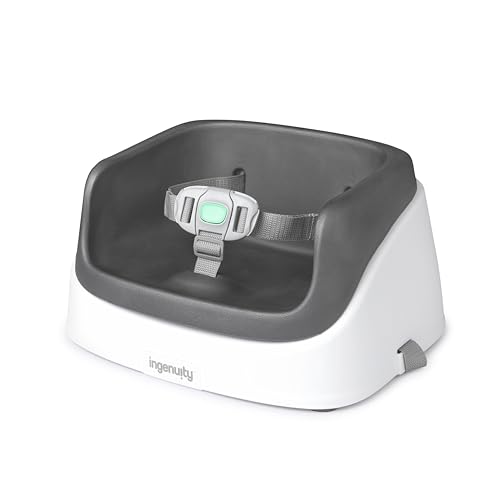
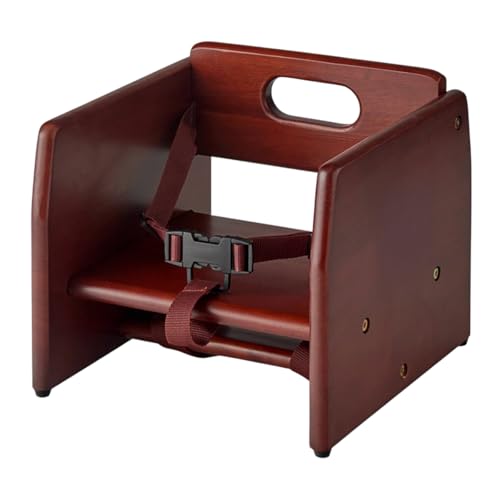
Booster Seat for Restaurant: The Complete Guide to Stress-Free Family Dining
Dining out with a little one shouldn't feel like a juggling act. A well-chosen restaurant booster seat keeps your child safe, comfortable, and at table height — so everyone can enjoy the meal.
See Recommended OptionsWhat You'll Learn in This Guide
Why a Dedicated Restaurant Booster Seat Matters
Most restaurants offer a basic high chair or booster, but the condition, style, and harness quality vary from one establishment to the next. For parents who dine out regularly, bringing a familiar booster seat solves several problems at once: consistent safety, predictable comfort for the child, and a clean surface you control.
A good restaurant booster seat also bridges the gap between the restaurant's adult-sized furniture and your child's proportions. It raises a toddler to table height so they can reach their food, interact with the family, and stay engaged instead of squirming. That engagement is often what turns a chaotic meal into a pleasant one.
If your child is transitioning toward independent seating, it helps to understand how a booster seat fits into the broader feeding and seating journey, including how it differs from a full booster car seat used for travel safety in vehicles.
Quick insight: The best restaurant booster seat is the one you will actually bring with you. Portability and setup speed matter as much as safety ratings, because a seat left at home protects no one.
Types of Restaurant Booster Seats
Restaurant booster seats generally fall into three families. Each solves the dining-out problem differently, and the right choice depends on your child's age, your dining habits, and how much you value a compact footprint.
1. Hook-On and Clamp-On Table Seats
These attach directly to the restaurant table edge using clamps or a hook mechanism. They position the child at table height with no need for a separate chair, which is ideal in booths and tight spaces. The trade-off is that they depend on table thickness and edge design, so not every restaurant table will accept them. Higher-tier clamp-on models usually offer a wider grip range and a more secure locking system.
2. Folding Floor Boosters with Harness
These sit on a standard dining chair and raise the child with a built-in harness and often a small tray. They fold flat for transport and work on almost any chair. This is the most universally compatible style for restaurant use, and mid-range and premium models typically add a removable, washable cover and a more supportive backrest.
3. Inflatable and Travel Booster Seats
Inflatable boosters pack down to almost nothing and are popular for travel and occasional dining out. They are entry-level in terms of structure and support, so they suit shorter meals and older toddlers rather than long dinners or younger infants. Many families keep one in the diaper bag as a backup and a more structured seat in the car.
If your dining-out routine overlaps with counter-height seating at home or in cafés, it's worth comparing a booster seat for counter-height tables, which addresses a similar height-matching challenge in a different setting.
Key Features to Compare
When you compare restaurant booster seats, focus on the features that affect safety and daily usability rather than cosmetic details. The list below covers what matters most.
- Harness and restraint system: A three-point or five-point harness keeps a wriggly toddler secure. Look for adjustable straps and a reliable buckle that a child cannot unfasten alone.
- Table or chair attachment: Clamp-on seats need a secure grip and a locking mechanism. Floor boosters need a stable base and anti-slip feet.
- Wipeable surface and washable cover: Restaurant meals are messy. A food-safe wipeable seat with a removable fabric cover saves time and keeps the seat hygienic.
- Foldability and weight: A seat that folds flat and carries easily is more likely to travel with you. Check the folded dimensions against your diaper bag or stroller basket.
- Height and recline adjustment: Adjustable height helps match different table heights, while a slight recline supports younger children during longer meals.
- Tray options: A small removable tray gives younger children their own eating surface and keeps food contained, though some parents prefer a tray-free design for table-height dining.
For families who want a single seat that handles both home feeding and restaurant visits, an adjustable booster seat with a tray and harness is often the most versatile pick. If your child is also starting to use utensils independently, pairing the seat with a well-designed baby spoon or a set of baby spoons makes mealtime smoother.
Safety Checklist Before You Dine
Even the best booster seat only works when it is installed correctly. Run through this checklist every time you set up at a restaurant.
- Check the table or chair. For clamp-on seats, confirm the table edge is solid, thick enough, and free of glass or loose overhangs. For floor boosters, confirm the chair is stable and the seat sits flat.
- Lock every attachment. Push and pull the seat gently to confirm the clamps or straps are fully engaged before placing your child inside.
- Adjust the harness. The harness should sit snug against the shoulders and chest, with no more than a finger's width of slack.
- Position away from hazards. Keep the seat away from hot plates, table edges, walkways, and server traffic.
- Supervise continuously. A booster seat is not a substitute for supervision, especially in a busy restaurant environment.
Safety note: Never leave a child unattended in a clamp-on seat, and never use a table seat on a glass-topped or pedestal table. Always follow the manufacturer's weight and age limits.
If your child is still in the early feeding stage, the same safety discipline applies to baby gear across the board — consistent setup and supervision matter more than any single feature.
Tier Comparison at a Glance
Restaurant booster seats vary in construction and features. The table below groups them by market tier so you can match the seat to your needs without relying on numeric comparisons.
| Tier | Typical Construction | Best For | Trade-offs |
|---|---|---|---|
| Entry-level | Inflatable or lightweight folding shell | Occasional dining out, travel backup | Less structural support; shorter lifespan |
| Mid-range | Folding booster with harness and wipeable cover | Regular restaurant visits, home feeding | Bulkier than inflatable options |
| Premium | Reinforced clamp-on or structured folding seat | Frequent diners, long meals, multiple children | Higher upfront investment; heavier |
| Commercial-grade | Heavy-duty restaurant-provided seating | Restaurant operators furnishing dining rooms | Not portable; fixed installation |
In practice, a mid-range folding booster with a harness hits the sweet spot for most families. It is feature-rich for its class, folds compactly, and works on nearly any restaurant chair. Families who dine out often and want a more solid build may prefer a premium clamp-on model, while occasional diners can do well with an entry-level inflatable as a backup.
Portability and Storage Tips
A restaurant booster seat only helps if it is with you when you need it. These habits make portability practical.
- Keep a dedicated car seat booster. Store the booster in the trunk or under a stroller so it is always available for spontaneous meals out.
- Choose a folding model with a carry handle or strap. Flat-folding designs slide into the diaper bag or attach to the stroller handle.
- Use a small wet bag for messes. A wipeable seat is easy to clean, but a wet bag contains crumbs and spills between meals.
- Pair with a compact diaper bag. A diaper backpack with changing station keeps dining-out supplies organized alongside the booster.
- Check folded dimensions. Confirm the folded seat fits your stroller basket, car trunk, or backpack before committing.
If your dining-out routine includes stroller travel, a stroller with a generous storage basket makes it easier to carry both the booster and the rest of your best travel gear.
Frequently Asked Questions
Ready to Make Dining Out Easier?
Compare our recommended restaurant booster seats below. Each option is selected for safety, portability, and easy cleanup — so you can focus on the meal, not the setup.
Browse Top Picks