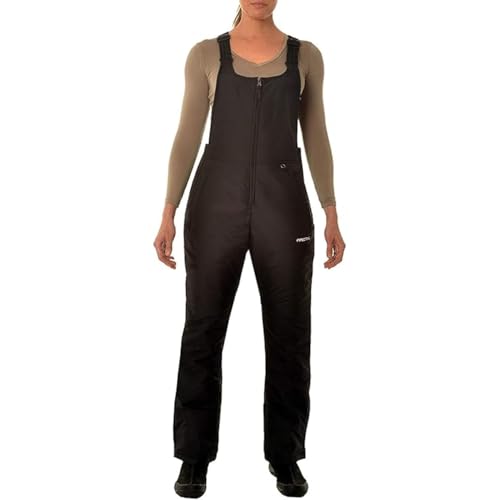
Snowbib Buying Guide: Keeping Your Little One Warm and Dry in Winter
When winter arrives, every parent wants to keep their baby warm, dry, and comfortable during outdoor adventures. A snowbib is one of the most important pieces of winter gear you can invest in — but choosing the right one requires understanding fabrics, fit, safety features, and how your child will actually use it. This comprehensive snowbib buying guide walks you through everything you need to know before making a decision.
What Is a Snowbib and Why Does Your Baby Need One?
A snowbib — sometimes called a snowsuit, snow pants set, or winter romper — is a garment designed to cover the torso and legs with insulated, water-resistant material. Unlike a standard jacket and pants combination, a snowbib creates a continuous barrier that prevents snow from sneaking in at the waistline. For babies and toddlers who love to crawl, roll, and tumble in the snow, this coverage is essential.
Snowbibs are available in two main configurations: one-piece designs (often called snowsuits) and two-piece bib-and-jacket sets. One-piece snowbibs offer maximum coverage and are easier to put on wriggly babies, while two-piece sets provide more flexibility for layering and bathroom breaks as your child grows. Both styles serve the same purpose: keeping your little one warm and dry during cold-weather play.
Beyond warmth, a quality snowbib protects against wind chill, moisture, and the general discomfort of wet clothing. If you plan to spend time outdoors during winter — whether building snowmen, visiting a snowy park, or simply running errands — a snowbib is a worthwhile addition to your baby's wardrobe. You can explore more winter-ready baby gear in our broader baby gear collection.
Key Features to Look for in a Snowbib
Not all snowbibs are created equal. The best choice for your family depends on your climate, your child's age, and how often you venture outdoors. Here are the features that matter most:
1. Waterproof and Water-Resistant Fabrics
The outer shell of a snowbib should repel moisture effectively. Look for fabrics rated as waterproof or highly water-resistant, often made from materials like nylon or polyester with a durable water repellent (DWR) finish. Sealed or taped seams provide extra protection in wet conditions. For babies who spend a lot of time sitting or crawling in snow, waterproof construction is non-negotiable.
2. Insulation Type and Warmth Rating
Snowbibs use either synthetic insulation (such as polyester fill) or natural down. Synthetic insulation retains warmth even when damp and is generally easier to care for. Down insulation offers excellent warmth-to-weight ratio but requires more careful maintenance. Consider your local winter temperatures: a lightly insulated snowbib works well for mild winters, while thicker insulation is better for harsh cold. Layering underneath allows you to adjust warmth as needed.
3. Breathability
A snowbib that traps moisture inside can leave your baby clammy and uncomfortable. Breathable fabrics allow perspiration vapor to escape while keeping external moisture out. This is especially important for active toddlers who generate heat quickly. Look for breathability ratings or ventilated designs if your child will be playing hard in the snow.
4. Adjustable Fit and Growth Accommodation
Babies and toddlers grow quickly, so adjustable features extend the usable life of a snowbib. Look for adjustable shoulder straps, elastic or cinchable cuffs, and generous length that can accommodate boots. Some snowbibs feature grow-with-me designs with extendable cuffs or removable boot gaiters. A well-fitted snowbib should allow room for a base layer and mid-layer without being excessively loose.
5. Ease of Dressing
Wrestling a baby into winter gear is a workout. Full-length zippers, snap closures, and wide leg openings make dressing faster and less stressful. Two-way zippers allow for quick diaper changes without removing the entire garment. Consider how easy the snowbib is to clean as well — muddy snow play is inevitable.
6. Safety Considerations
Avoid snowbibs with loose drawstrings near the neck or hood, which pose a strangulation risk. Reflective elements improve visibility during shorter winter daylight hours. Ensure the hood does not obstruct your baby's vision or hearing. And always remember: bulky snowbibs should never be worn under a car seat harness — use thin layers and a blanket instead.
One-Piece vs. Two-Piece Snowbib: Which Is Right for You?
Both styles have devoted fans, and the best choice depends on your child's age and your lifestyle. Here is a side-by-side comparison to help you decide:
| Feature | One-Piece Snowbib | Two-Piece Snowbib Set |
|---|---|---|
| Coverage | Continuous coverage; no gaps at the waist | Coverage depends on how well the bib and jacket overlap |
| Ease of Dressing | Single garment; quick to put on | Two garments; more steps but flexible |
| Diaper Changes | Requires full removal or two-way zipper | Jacket stays on; bib can be removed separately |
| Flexibility | Limited mix-and-match | Can wear pieces separately in milder weather |
| Best For | Babies and young toddlers; deep snow play | Older toddlers; varied winter conditions |
How to Choose the Right Size Snowbib
Sizing is one of the most common sources of frustration when buying winter gear for babies. A snowbib that is too small restricts movement and compresses insulation, reducing warmth. A snowbib that is too large lets cold air circulate and can be a tripping hazard. Follow these guidelines for a better fit:
- Measure height and weight: Use your child's current measurements and compare them to the manufacturer's size chart. Height is generally more reliable than age for outerwear.
- Allow for layering: Your baby will wear a base layer and possibly a mid-layer underneath. Size up if your child is between sizes or if you plan to layer heavily.
- Check the inseam and sleeve length: Legs and arms should be long enough to cover wrists and ankles without dragging on the ground.
- Look for adjustable features: Elastic cuffs, adjustable straps, and cinchable hems can fine-tune the fit as your child grows.
Layering Under a Snowbib
The right layering strategy maximizes warmth without bulk. Start with a moisture-wicking base layer (merino wool or synthetic) to keep sweat away from the skin. Add a mid-layer such as a fleece jacket or wool sweater for insulation. The snowbib itself serves as the outer shell. Avoid cotton as a base layer — it holds moisture and can make your baby cold.
For newborns and young infants, keep layers thin and simple. Overheating is a real concern for babies, so check their neck or back periodically to ensure they are warm but not sweating. If you are looking for other nursery and clothing essentials, our organic baby clothes guide offers additional recommendations for sensitive skin.
Snowbib Care and Maintenance
Proper care extends the life of your snowbib and maintains its waterproof performance. Follow these general guidelines:
- Wash according to the manufacturer's instructions, usually in cold water on a gentle cycle.
- Use a technical wash or mild detergent — avoid fabric softeners, which can clog breathable membranes.
- Tumble dry on low or hang dry; high heat can damage waterproof coatings and insulation.
- Reapply a DWR spray periodically if water stops beading on the surface.
- Store clean and dry in a cool, ventilated space between seasons.
Frequently Asked Questions About Snowbibs
Can my baby wear a snowbib indoors?
Snowbibs are designed for outdoor winter use and can cause overheating indoors. Remove the snowbib once you are back inside to prevent your baby from becoming too warm.
How many snowbibs does my baby need?
One well-fitting snowbib is usually sufficient for most families. If your child spends significant time outdoors or you live in a very wet climate, a second snowbib provides a backup while the first is drying or being washed.
Are hand-me-down snowbibs safe?
Hand-me-down snowbibs can be a good option if the waterproof coating is intact, zippers function properly, and there are no tears or worn spots. Inspect seams and closures carefully before use, and always check for safety recalls.
What is the difference between a snowbib and a snowsuit?
The terms are often used interchangeably. A snowsuit typically refers to a one-piece garment covering the torso and legs, while a snowbib may refer to the bib-style pants portion of a two-piece set. Both are designed to keep children warm and dry in winter conditions.
How do I know if my baby is too cold in a snowbib?
Check your baby's neck and chest — they should feel warm, not hot or cold. Fussiness, shivering, or cold extremities can indicate discomfort. Limit outdoor time in extreme cold and bring your baby inside if you notice signs of chill.
Ready to Explore Snowbib Options?
Browse our curated selection of baby winter gear and find the perfect snowbib for your family's adventures.