Waterproof Diaper Changing Pad: The Complete Buying Guide
Everything parents need to know about choosing a hygienic, durable, and comfortable changing surface for stress-free diaper changes and a cleaner nursery.
START EXPLORINGWhy a waterproof changing pad matters: Diaper changes happen multiple times a day, and messes are inevitable. A quality waterproof diaper changing pad protects your nursery furniture, simplifies cleanup, and keeps your baby comfortable. This guide walks you through the materials, safety features, and practical considerations that separate a good pad from a great one.
What Is a Waterproof Diaper Changing Pad?
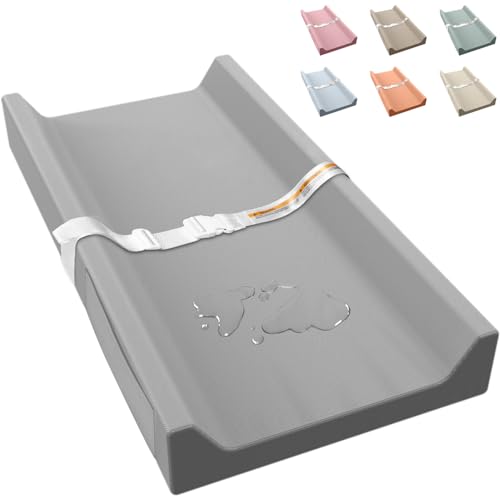
A waterproof diaper changing pad is a protective, cushioned surface designed to sit on top of a changing table, dresser, or any flat surface where you change your baby's diaper. Unlike a simple fabric pad, a waterproof model features a moisture-blocking layer — typically a wipe-clean outer surface, a waterproof inner membrane, or a fully sealed construction — that prevents liquids from soaking through to the furniture below.
Most waterproof pads fall into two broad categories: contoured pads with raised edges that help keep your baby in place, and flat portable pads that fold or roll up for travel. Many parents keep both a stationary pad for the nursery and a compact portable pad in their diaper bag. A well-matched diaper bag with changing pad attached can cover the on-the-go scenario, while a full-size pad handles daily changes at home.
Waterproofing also matters for related nursery gear. Crib mattresses and bassinets benefit from similar protection, which is why parents often pair a changing pad with a breathable waterproof crib mattress protector and crib mattress protectors to keep the entire sleep and changing environment clean.
Key Features to Look For
When comparing waterproof diaper changing pads, focus on these core attributes. They determine how comfortable the pad is, how easy it is to clean, and how well it holds up over months of frequent use.
Waterproof Surface
A wipe-clean outer layer or sealed waterproof membrane prevents leaks from reaching furniture. Look for a surface that repels liquid rather than absorbs it.
Contoured Safety Edges
Raised sides and a security strap help keep the pad stable and your baby positioned safely during changes.
Non-Slip Base
A textured or rubberized underside keeps the pad from sliding on smooth dresser tops and changing tables.
Comfort Padding
Soft, supportive foam or fiberfill keeps your baby comfortable and reduces pressure during changes.
Easy-Clean Design
Sealed seams, wipeable surfaces, and machine-washable covers make cleanup quick and hygienic.
Safe Materials
Choose pads with low-VOC foams and materials free from harsh chemicals, especially for newborns.
Materials and Construction Explained
The waterproofing layer is the heart of the pad, but the full construction matters just as much. Here is how the most common materials compare:
- PVC / vinyl outer shells: Fully sealed and easy to wipe, offering strong water resistance. Entry-level and mid-range pads commonly use vinyl, while premium models often use softer, less plasticky formulations.
- TPU / PUL membranes: Breathable, flexible waterproof layers often found in mid-range to top-tier pads. They block moisture while reducing the clammy feel of solid vinyl.
- Foam core: The cushioning layer. High-density foam resists compression and lasts longer; lighter foam is common in starter-tier portable pads.
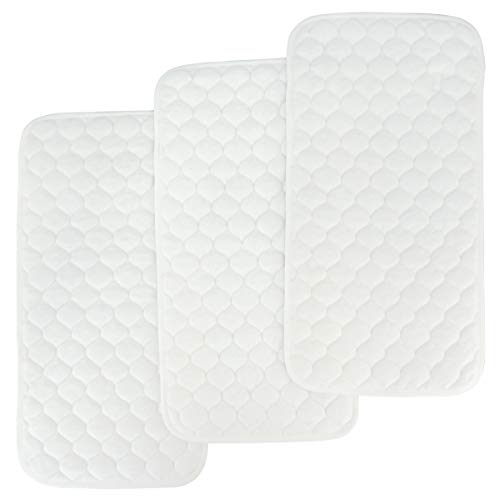
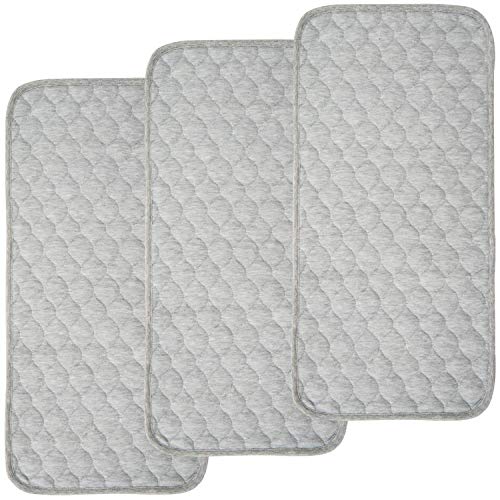
- Fabric covers: Removable, machine-washable covers add comfort and extend the pad's life. Many parents keep a crib sheet and changing pad cover set to keep a clean cover ready at all times.
Heavy-duty, reinforced seams and a solid build are signs of durable construction. In general, mid-range pads usually offer better moisture management and softer surfaces than entry-level models, while top-tier and professional-grade pads add premium materials, reinforced edges, and longer warranties.
Size and Fit: Getting It Right
A pad that is too small leaves furniture exposed; one that is too large hangs over the edges and can be unstable. Measure your changing table or dresser top before buying, and check these standard considerations:
- Standard contoured pad: Typically around 30–32 inches long and 16–18 inches wide, designed to fit most standard changing tables.
- Portable / travel pad: Compact and foldable, sized for diaper bags and restaurant restrooms.
- Security straps: Many pads include straps that anchor to the changing table; confirm your table's rail spacing and strap compatibility.
- Thickness: Thicker pads offer more cushioning but sit higher on the table; check that the raised edges still contain your baby comfortably.
If you are setting up a full changing station, consider how the pad integrates with adjacent gear, such as a convertible crib and changing table or a dedicated changing area with storage within reach. A well-fitted pad should sit flat with no rocking or gaps.
Safety Considerations Every Parent Should Know
Changing pads are not sleep surfaces, and safety guidance matters. Keep these points in mind:
- Never leave your baby unattended on a changing pad, even for a moment. Use the safety strap every time.
- Place the pad on a stable, flat surface and ensure it cannot slide. Non-slip bases and anchors reduce risk.
- Keep one hand on your baby at all times during changes.
- Do not use a changing pad for sleeping. Bassinets and cribs are the only safe sleep environments — see our baby bassinet and portable infant bassinet guides for safe sleep setups.
- Check for recalls and safety certifications on the manufacturer's website before purchasing.
For families with pets or older siblings, a sturdy 2-in-1 super wide safety gate and play yard can help keep the changing area secure and separate from busy household traffic.
Comparing Tiers: What You Get at Each Level
Waterproof changing pads are available across a wide range of market positions. Rather than focusing on numbers, use this tier-based comparison to understand what features typically come with each class of product.
| Tier | Best For | Typical Features |
|---|---|---|
| Entry-level | Occasional use, travel pads, backup pads | Basic vinyl shell, lighter foam, simple wipe-clean surface |
| Mid-range | Daily nursery use | Contoured safety edges, non-slip base, TPU/PUL waterproof layer, removable washable cover |
| Premium | Heavy daily use, long-term investment | High-density foam, reinforced seams, softer breathable waterproof membranes, secure strap system |
| Top-tier / professional-grade | Daycares, multi-child households, commercial settings | Commercial-grade materials, heavy-duty waterproofing, extended warranty, sealed construction |
A mid-range pad is usually the sweet spot for most families: it offers a good value for its tier, with reliable waterproofing and comfort without the extras of premium models. Entry-level pads remain a solid choice for portable or secondary use, while premium and top-tier options are worthwhile investments for families who want maximum durability and ease of cleaning.
Cleaning and Maintenance Tips
Waterproof pads are designed for easy upkeep, but proper care extends their life and keeps the changing area hygienic:
- Wipe after every change with a mild, baby-safe cleaner or warm soapy water. Avoid abrasive scrubs that can crack the waterproof layer.
- Wash removable covers weekly (or more often during illness) according to the care label.
- Air-dry the pad fully before replacing covers to prevent trapped moisture and odors.
- Inspect seams and edges periodically for cracks or peeling; a compromised waterproof layer means leaks.
- Keep a backup pad on hand for middle-of-the-night messes so you are never stuck with a wet surface.
Good hygiene pairs well with a complete changing station setup. Many parents add a stainless steel diaper pail nearby for odor control and keep changing pad covers stocked for quick swaps.
Frequently Asked Questions
Do I really need a waterproof changing pad?
Yes, if you want to protect your furniture and simplify cleanup. Diaper changes regularly involve spills and accidents; a waterproof layer prevents moisture from soaking into the changing table or dresser. A waterproof pad is one of the most practical nursery essentials.
Can I use a waterproof changing pad on any surface?
You can place it on any flat, stable surface, but always use the safety strap and never leave your baby unattended. Avoid soft or uneven surfaces such as beds or sofas, where the pad can shift or tip.
How often should I replace a changing pad?
Replace the pad when the waterproof layer cracks, seams peel, or the foam loses its shape. With proper care, a quality mid-range or premium pad typically lasts through one child's diaper years and sometimes beyond.
Are contoured or flat changing pads better?
Contoured pads with raised edges are generally safer for daily use because they help keep your baby centered. Flat pads are more portable and easier to store. Many families use a contoured pad at home and a flat foldable pad for travel.
Can a waterproof changing pad be used for diaper-free time?
Yes. A waterproof pad is an excellent surface for supervised diaper-free time, which can help with diaper rash. Always stay with your baby and place the pad on a stable, easy-to-clean surface.
Ready to Set Up Your Changing Station?
Explore our recommended waterproof diaper changing pads and compare features, tiers, and practical details — all in one place.
VIEW RECOMMENDED PRODUCTS