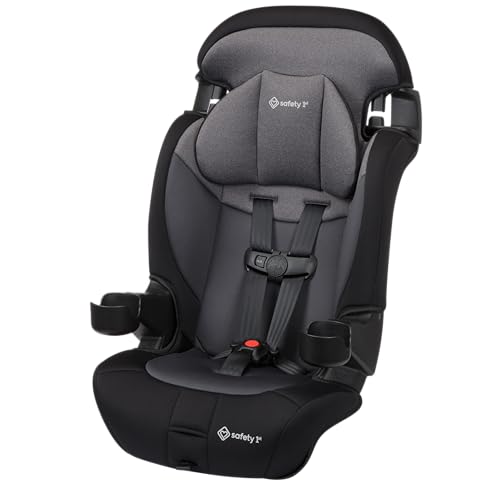
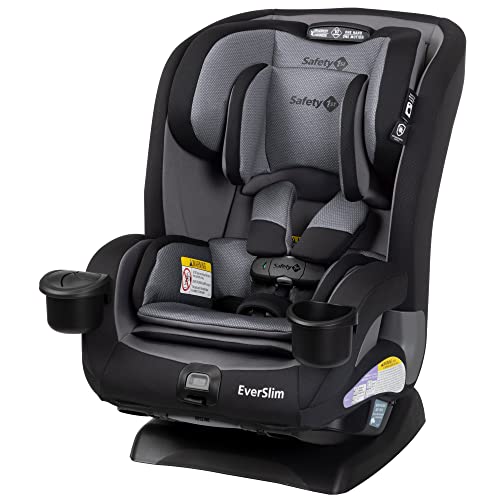
Convertible Car Seat with Highest Safety Rating
Everything you need to know before choosing a convertible car seat that prioritizes your child's protection — from crash-test standards and harness design to installation best practices.
START THE GUIDEWhy a convertible car seat deserves careful research: A convertible seat is one of the few purchases your child will use from infancy through the toddler years. Because it is engineered to protect your child across multiple growth stages, the safety engineering inside the shell — reinforced framing, energy-absorbing foam, extended rear-facing limits, and a properly fitted five-point harness — matters far more than cosmetic features. This guide walks you through the criteria that separate a top-tier safety seat from an average one, so you can make a confident, informed decision.
What "Highest Safety Rating" Actually Means
There is no single universal score stamped on every convertible car seat. Instead, safety reputation is built from a combination of independent crash testing, compliance with federal motor vehicle safety standards, and real-world performance data. When parents talk about the convertible car seat with the highest safety rating, they are typically referring to seats that consistently earn top marks across several evaluation sources and demonstrate superior engineering in three critical areas: crash-force management, structural integrity, and child-retention systems.
Federal standards require every seat sold to pass dynamic crash testing. The seats that stand out go further — they are built with steel-reinforced frames, side-impact protection, and extended rear-facing capacity that keeps a child in the safest orientation for longer. Independent testing organizations and consumer advocacy groups often highlight these models, and their findings are a reliable starting point for your research.
A safety rating is only as good as the installation. A top-tier seat installed incorrectly offers less protection than a mid-range seat installed perfectly. This is why the sections below cover both the product itself and the habits that maximize its protective potential.
Core Safety Features to Prioritize
Extended Rear-Facing Capacity
Rear-facing seats distribute crash forces across the entire back of the shell, protecting the head and spinal cord. A model with generous rear-facing height and weight limits lets your child stay in the safest orientation well into the toddler years.
Five-Point Harness
A five-point harness secures the shoulders, hips, and crotch, keeping the child positioned correctly during a crash. Look for a no-rethread harness that adjusts easily as your child grows, reducing the chance of user error.
Steel-Reinforced Frame
A heavy-duty steel frame maintains the seat's structural integrity under extreme force. Reinforced construction is a hallmark of premium and top-tier models and is a strong indicator of crashworthiness.
Side-Impact Protection
Deep side wings and energy-absorbing foam cushions the head and torso in a side collision. Side-impact protection is one of the most important differentiators between entry-level and premium seats.
Energy-Absorbing Foam
Expanded polystyrene or similar foam layers compress on impact to absorb energy before it reaches your child. High-grade foam throughout the shell, not just the headrest, is a sign of thorough engineering.
Anti-Rebound Technology
Anti-rebound bars or load legs reduce rotation and rebound motion in a crash, keeping the seat stable. This feature is increasingly common on top-tier rear-facing seats.
Comparing Convertible Car Seat Tiers
The market generally falls into three tiers. Understanding what each tier delivers helps you match a seat to your family's needs without over- or under-specifying. The table below uses universal quality descriptors rather than numeric values.
| Tier | Best For | Typical Safety Features | Installation |
|---|---|---|---|
| Essential Tier | Families seeking a dependable, straightforward safety seat | Five-point harness, basic side-impact foam, standard rear-facing limits | Seat belt or lower anchors; manual rethread harness |
| Balanced Tier | Parents who want strong protection with easier daily use | Deep side wings, no-rethread harness, extended rear-facing, reinforced shell | Multiple recline positions, clear belt-path indicators, tether included |
| Premium Tier | Buyers prioritizing maximum crash protection and longevity | Steel-reinforced frame, anti-rebound technology, high-grade foam, extended rear-facing to toddler years | Load leg or anti-rebound bar, intuitive install, premium manual and labeling |
Installation: The Most Overlooked Safety Factor
Even the convertible car seat with the highest safety rating cannot protect a child if it moves more than an inch at the belt path. Installation quality is the single most impactful thing a parent controls. Follow these practices on every install:
- Use the correct belt path. Rear-facing and forward-facing installations use different routing. Check the manual and the labels on the seat.
- Tighten until movement is minimal. At the belt path, the seat should move less than one inch front-to-back and side-to-side.
- Always use the top tether when forward-facing. The tether reduces forward head excursion and is required by many manufacturers in forward-facing mode.
- Check the recline angle. Rear-facing seats need the correct recline for your child's age; most seats include a level indicator.
- Harness snugness. You should not be able to pinch excess webbing at the shoulder. The chest clip sits at armpit level.
- Get a professional inspection. Certified child passenger safety technicians can verify your install, often at no charge through local programs.
If you are also comparing stroller and travel configurations, our guide to the car seat and stroller combo explains how travel systems integrate with convertible seats, while the five-point harness car seat up to 100 lbs overview covers harness weight limits in more detail.
Fit and Vehicle Compatibility
A safety seat must fit three things at once: your child, your vehicle, and your daily routine. Before committing to a model, measure your back seat and confirm the seat's dimensions in both rear-facing and forward-facing modes. Taller seats may not fit behind the front seats in compact vehicles when reclined for a newborn.
Also consider how the seat will be used. If you frequently switch between vehicles, a model with an intuitive install and clear labeling reduces the risk of mistakes. If your child will transition to a booster later, our guide to the safest high-back booster with harness explains the next stage of protection. For families managing multiple children, the car seat for a 3-year-old guide covers size and orientation considerations.
Some parents pair a convertible seat with a secondary travel solution. The soft-touch booster car seat and the all-in-one car seat overviews are useful references for families planning a long-term seating strategy.
Pre-Purchase Safety Checklist
Confirm these before you finalize your choice
- The seat meets current federal motor vehicle safety standards and has no open recall.
- Rear-facing height and weight limits suit your child's growth curve.
- The harness adjusts without rethreading, or rethreading is straightforward.
- Side-impact protection is present and substantial, not decorative.
- The seat fits your vehicle in both rear-facing and forward-facing positions.
- Installation method matches your vehicle's available anchors or belt system.
- The manual is clear, and the manufacturer offers accessible support.
- You have a plan for a professional installation check.
Care, Longevity, and When to Replace
A convertible seat is a long-term investment, and its protective lifespan depends on care. Clean the harness according to the manufacturer's instructions — never submerge webbing in harsh detergents, which can weaken the fibers. Avoid aftermarket inserts or covers that did not come with the seat, as they can interfere with the harness fit and crash performance.
Replace the seat after any moderate or severe crash, even if damage is not visible. Also respect the expiration date printed on the shell; plastics degrade over time. If you are organizing a nursery alongside your travel gear, our nursery furniture sets with convertible crib guide follows the same longevity logic for the sleep space.
Related Guides for Your Baby Gear Research
Choosing a car seat is part of a larger preparation process. These related guides can help you build a complete, safety-conscious setup:
Frequently Asked Questions
What makes a convertible car seat the safest choice?
A convertible car seat with the highest safety rating typically combines a reinforced steel frame, energy-absorbing foam, extended rear-facing capacity, and a five-point harness. These features work together to distribute crash forces and protect a child's head and spine.
How long should a child stay rear-facing?
Safety experts recommend keeping a child rear-facing for as long as the car seat allows, ideally until they reach the maximum rear-facing height or weight limit of the seat. Extended rear-facing provides superior protection for the head and neck.
Do I need a lower anchor system or seat belt for installation?
Both the lower anchor and tether system and the vehicle seat belt are safe when used correctly. Many top-tier models support either method, but the seat belt combined with the top tether often supports a higher weight limit, so check the manual for your specific seat.
Is a premium-tier seat always safer than a balanced-tier seat?
Not automatically. A balanced-tier seat installed and adjusted correctly can deliver excellent protection. Premium-tier seats add engineering advantages such as anti-rebound technology and higher-grade foam, but installation quality remains the dominant safety factor.
When should a convertible car seat be replaced?
Replace the seat after any moderate or severe crash and once it reaches the expiration date printed on the shell. Plastics degrade over time, and a compromised shell cannot be relied on for protection.
Recommended Convertible Car Seats
⚠️ AFFILIATE DISCLOSURE: This website contains affiliate links. As an Amazon Associate, we earn from qualifying purchases. If you make a purchase through these links, we may receive a small commission at no additional cost to you. Read our full affiliate policy.