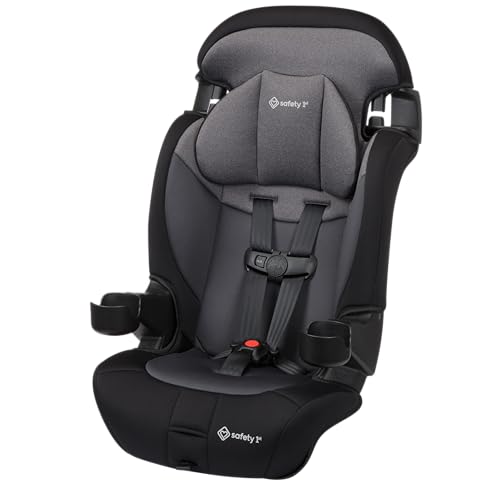
5 Point Harness Car Seat Up to 100 Lbs: The Complete Buyer's Guide
If you are researching a 5 point harness car seat up to 100 lbs, you already know the core question: how do you keep a growing child securely harnessed for as long as possible? This guide breaks down harness systems, weight limits, safety features, installation essentials, and tier-based recommendations so you can make a confident, informed decision.
Explore Recommended OptionsWhy this guide matters: A 5 point harness distributes crash forces across the strongest parts of a child's body — the shoulders, hips, and chest. For parents who want to keep a child in harness mode well beyond the toddler years, a high-weight harness seat rated to 100 lbs is one of the most protective choices available. Below, we explain how these seats work and what to look for before you commit.
What Is a 5 Point Harness Car Seat?
A 5 point harness is a restraint system with five anchor points: two at the shoulders, two at the hips, and one at the crotch buckle. When adjusted correctly, the harness keeps the child's torso positioned against the seat shell and spreads crash forces across the pelvis and shoulder structure. This design is widely regarded as one of the most secure ways to restrain a child in a vehicle.
A "5 point harness car seat up to 100 lbs" refers to a forward-facing seat whose harness mode is rated for children up to 100 lbs. These seats are designed for families who want to extend harness use well into the school-age years before transitioning to a belt-positioning booster. Many models in this category also convert to a high-back booster once the harness limit is reached, giving the seat a longer service life. For a broader look at convertible options, see our guide on the convertible car seat with highest safety rating.
How the Five Points Work Together
- Shoulder straps keep the upper body against the seat back and prevent forward movement in a sudden stop.
- Hip straps anchor the lower body and reduce the risk of submarining under the lap portion of a seat belt.
- Crotch buckle connects the harness at the center and keeps the lap straps positioned low across the hips.
- Chest clip (on most models) keeps the shoulder straps together and prevents them from slipping off the shoulders.
Why Choose a Harness Rated Up to 100 Lbs?
Children grow at different rates, and many parents prefer to keep a child in a 5 point harness for as long as the seat allows. A harness rated to 100 lbs offers several practical advantages:
- Extended protection: Harness mode typically provides more upper-body restraint than a booster alone, especially for younger or smaller children.
- Fewer transitions: A single seat can carry a child from forward-facing toddler years through early school age, reducing the need to replace seats frequently.
- Consistent fit: The harness adjusts to the child's body rather than relying on the vehicle's seat belt geometry.
- Booster conversion: Many high-weight harness seats convert to a belt-positioning booster, extending the seat's usable life even further.
For families comparing a dedicated harness seat with a combination unit, our article on the safest high back booster with harness covers how booster-ready designs differ from pure harness seats.
Key Features to Evaluate Before You Buy
1. Harness Adjustment System
Look for a seat with an easy-to-use harness tightener, ideally a front-adjust mechanism that lets you tighten the harness without removing the seat. A no-rethread harness is a major convenience because it allows you to raise or lower the shoulder strap height without disassembling the harness. Entry-level models often use a manual rethread system, while mid-range and premium seats frequently include no-rethread designs.
2. Weight and Height Limits
Check both the harness weight limit and the standing height limit. A 100 lbs harness rating is only useful if the child still fits within the height range for harness mode. Some seats list a maximum harness height that may be reached before the weight limit, so compare both figures against your child's growth curve.
3. Installation Method
Most high-weight harness seats can be installed with the vehicle seat belt or lower anchor connectors. Belt installs are generally required above a certain weight threshold, so read the manual carefully. Features like lock-offs, color-coded belt paths, and a visible recline indicator make installation more predictable. A tightly installed seat should move less than one inch at the belt path.
4. Side-Impact Protection
Reinforced head and torso side wings help protect against side collisions. Higher-tier seats often include deeper side wings, energy-absorbing foam, and adjustable headrests that move with the harness. For parents prioritizing crash protection, side-impact features are worth comparing across models.
5. Comfort and Fit for Growing Children
Padding, recline positions, cup holders, and breathable fabrics matter for longer rides. A seat that fits your vehicle's back seat well and leaves room for other passengers is also part of the equation. Check the seat's dimensions against your vehicle before ordering, especially if you drive a compact car.
Entry-Level, Mid-Range, and Premium Tiers Explained
Rather than focusing on figures, it helps to understand where a seat sits in the market. The descriptors below are used consistently throughout this guide to compare relative positioning:
Essential Protection
Basic 5 point harness with manual rethread adjustment, standard padding, and straightforward installation. A solid choice for families who need core safety features without extra convenience add-ons.
Balanced Features
Often includes a no-rethread harness, easier tightening, multiple recline positions, and improved side-impact structure. A well-specified option for most families seeking long-term harness use.
Top-Tier Engineering
Reinforced shells, premium fabrics, smoother harness adjusters, and advanced side-impact protection. Typically chosen by parents who want the highest level of comfort and refinement in the category.
Feature Comparison Across Tiers
| Feature | Entry-Level | Mid-Range | Premium |
|---|---|---|---|
| Harness adjustment | Manual rethread | Often no-rethread | No-rethread with smooth tensioner |
| Side-impact structure | Standard foam | Reinforced side wings | Deep side wings with energy-absorbing layers |
| Recline positions | Limited | Multiple | Multiple with easy indicators |
| Installation aids | Basic belt path | Lock-offs and color-coded paths | Lock-offs plus clear recline and level indicators |
| Booster conversion | On select models | Common | Common with high-back booster mode |
| Best for | Straightforward harness use | Long-term daily use | Maximum comfort and protection |
Installation and Fit: Getting It Right
Even the best-engineered seat only performs as intended when installed correctly. Follow these steps for a secure fit:
- Read the manual first. Every seat has specific routing instructions, weight thresholds for different installation methods, and recline requirements.
- Check the recline angle. Forward-facing seats typically require a more upright position than rear-facing seats, but the exact angle varies by model.
- Tighten the install. The seat should not move more than one inch side-to-side or front-to-back at the belt path.
- Adjust the harness snugly. You should not be able to pinch excess webbing at the shoulder.
- Position the chest clip. It should sit at armpit level, not on the stomach or neck.
- Check the harness height. Shoulder straps should be at or just above the child's shoulders in forward-facing mode.
Pairing a High-Weight Harness Seat With Other Gear
Families often pair a forward-facing harness seat with a stroller or a travel system for everyday errands. If you are building a full travel setup, our car seat and stroller combo guide explains how to match a car seat with a stroller frame. For parents considering a separate lightweight stroller for quick trips, the lightweight stroller overview is a useful companion read.
Families with multiple children may also want to review the umbrella stroller attachment for double option to accommodate two riders while keeping the car seat setup intact.
Who Should Consider a 5 Point Harness Seat Up to 100 Lbs?
This category tends to suit:
- Parents of growing toddlers who want to keep a child harnessed beyond the typical 40–65 lbs range.
- Families planning for long-term use who prefer a single seat that converts to a booster later.
- Caregivers of larger or older children who still benefit from the full upper-body restraint of a 5 point harness.
- Buyers who value installation flexibility and want a seat compatible with both seat belt and lower anchor installs.
If your child is still in a rear-facing stage, a dedicated rear-facing seat or a convertible model may be a better fit first. Our convertible car seat guide explains how convertible seats bridge rear-facing and forward-facing stages.
Frequently Asked Questions
What does a 5 point harness car seat up to 100 lbs mean?
It refers to a forward-facing car seat that secures a child with five harness anchor points and is rated to hold a child weighing up to 100 lbs in harness mode. This lets growing children stay in a harness longer before moving to a belt-positioning booster.
When should a child move from a 5 point harness to a booster seat?
A child should stay in a 5 point harness until they reach the maximum weight or height limit of the seat's harness mode. Moving to a booster too early can reduce protection in a crash, so always follow the manufacturer's limits.
Are high-weight harness seats harder to install?
Many high-weight harness seats are larger and heavier, which can make installation more involved. Features like lower anchor connectors, lock-offs, and clear belt paths help simplify the process. Always check that the seat fits tightly with less than one inch of movement at the belt path.
What is the difference between entry-level and premium 5 point harness seats?
Entry-level seats typically offer basic harness adjustment and standard padding. Mid-range and premium seats often add easier harness tightening, reinforced shells, multiple recline positions, and improved side-impact protection. Higher tiers usually provide smoother adjustments and more comfort features.
Can a 5 point harness car seat up to 100 lbs be used with a seat belt?
Yes. Most seats in this category can be installed with the vehicle seat belt or lower anchor connectors in harness mode. Once the child outgrows the harness, some models convert to a belt-positioning booster that uses the vehicle's lap and shoulder belt.
Quick Buying Checklist
- Confirm the harness weight limit reaches 100 lbs and the height limit fits your child's growth.
- Check whether the harness adjusts with or without rethreading.
- Review installation methods (seat belt, lower anchors) and weight thresholds.
- Look for side-impact protection features and headrest adjustability.
- Verify the seat fits your vehicle's back seat and does not block adjacent seating.
- Check whether the seat converts to a belt-positioning booster for extended use.
- Read the manual for harness height and chest clip positioning rules.
With the right seat, a 5 point harness car seat up to 100 lbs can serve a child through multiple stages of growth. Focus on harness adjustment, installation fit, and side-impact protection, and match the seat's tier to your family's daily needs. Below are recommended options to explore.