Car Seat for a 3-Year-Old: The Complete Buying Guide
Your 3-year-old is growing fast, but car safety rules do not loosen up yet. This guide explains which seat type fits this stage, how to check the fit, and the features that matter most before you choose.
Quick summary: Most 3-year-olds are safest in a forward-facing car seat with a five-point harness. Convertible and combination seats are the two main categories. Rear-facing is still preferred if your child still fits the limits. A booster seat is not yet appropriate for most children this age. Below, you will find a full breakdown of seat types, fit checks, features, installation, and common mistakes to avoid.
Why the 3-Year-Old Stage Is a Turning Point
At three years old, children typically weigh between 30 and 40 pounds and stand about 37 to 40 inches tall. That places most of them inside the forward-facing harness range, but it does not mean every seat works. The transition from toddler to preschooler brings new challenges: longer car rides, more independence, and sometimes a strong opinion about sitting still.
The core safety principle stays the same. A correctly installed seat with a snug harness protects your child far better than an advanced seat used incorrectly. According to child passenger safety guidance, harness seats should be used until the child reaches the seat's maximum forward-facing limits, not just until they turn three.
If you are comparing broader options, our convertible car seat with highest safety rating guide covers the models that score well across crash tests and ease-of-use ratings.
Which Car Seat Type Fits a 3-Year-Old?
Three main seat types come up at this age. Each has a different role, and only two are appropriate for most 3-year-olds.
| Seat Type | Best For | Key Consideration |
|---|---|---|
| Convertible seat (forward-facing mode) | Children who still fit the harness limits | Also usable rear-facing if your child has not reached the rear-facing limit |
| Combination seat (harness to booster) | Children who have outgrown a convertible's rear-facing mode | Harness mode now, booster mode later; check both sets of limits |
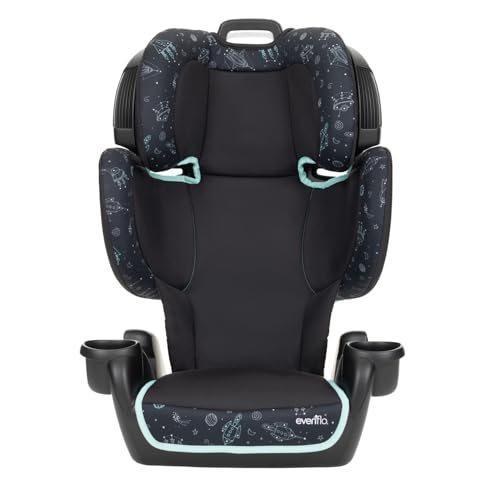
| High-back booster with harness | Larger 3-year-olds who meet weight and height minimums | Verify the harness limits; some harnessed boosters start at higher weights |
Convertible Seats
A convertible seat is installed rear-facing first, then flipped forward-facing when your child reaches the rear-facing height or weight limit. For a 3-year-old who is still within the rear-facing range, this is often the best choice because rear-facing offers superior protection for the head, neck, and spine.
If you need a seat that works from the newborn stage through the preschool years, look at models with generous rear-facing limits. Some seats now allow rear-facing up to 40 or 50 pounds, which many 3-year-olds have not yet reached.
Combination Seats
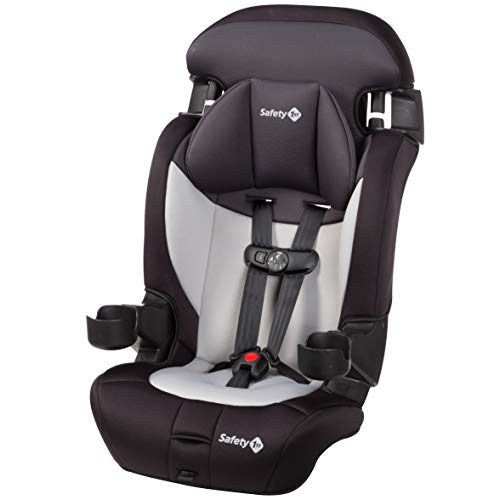
A combination seat is forward-facing only, with a five-point harness that later converts to a belt-positioning booster. It is a practical choice for a 3-year-old who has already outgrown the rear-facing mode of a convertible or who rides primarily in a second vehicle. The harness mode usually covers 22 to 65 pounds or more, and the booster mode takes over when the harness is outgrown.
One point to remember: the booster mode of a combination seat should not be used until your child meets the booster minimums, which usually include a higher weight and height threshold plus the maturity to sit correctly for the whole trip.
Harnessed Boosters and High-Back Boosters
A high-back booster with a removable harness is a hybrid. In harness mode, it works like a forward-facing seat. Once the harness is removed, it becomes a belt-positioning booster. For a 3-year-old, the harness mode is the relevant part, and the seat's harness limits must fit your child.
Our guide to the safest high-back booster with harness explains which models keep a five-point harness long enough to be useful at this age.
Important: A backless booster is not appropriate for a 3-year-old. Backless boosters require a child who can sit upright without slouching for the entire ride and who meets the seat's minimum weight and height, which most 3-year-olds do not.
Rear-Facing or Forward-Facing at Three?
This is the most common question parents ask at this stage. The short answer: keep your child rear-facing as long as the seat allows, and move to forward-facing only when the rear-facing limits are reached.
Rear-facing seats distribute crash forces across the back of the shell, which supports the head and spine. Forward-facing seats rely on the harness to restrain the body, and the head moves forward more in a frontal crash. For a 3-year-old whose neck bones are still developing, rear-facing remains the safer position.
Many convertible seats now support rear-facing to 40 or 50 pounds, which means a typical 3-year-old can stay rear-facing for another year or more. Check your seat's manual for the exact limits, and check your child's height against the top of the shell. A rear-facing child has outgrown the seat when the top of the head is within one inch of the top of the shell, or when the weight limit is reached.
How to Check That the Seat Fits Your Child
Fit matters more than the label on the box. Use these checks every time you adjust the seat.
- Harness slot height: For forward-facing use, the harness straps should come from at or just above the child's shoulders. For rear-facing use, they should be at or just below the shoulders.
- Chest clip: The clip should sit at armpit level, not on the belly or the neck.
- Harness tightness: You should not be able to pinch a horizontal fold in the strap at the collarbone. The straps should lie flat without twists.
- Head support: The top of the child's ears should be below the top of the seat shell in forward-facing mode.
- Buckle position: The buckle should sit flat against the child, not under them or floating in front.
A seat that passes these checks is doing its job. A premium seat with a loose harness is less safe than an entry-level seat with a snug, correctly routed harness.
Features That Matter for a 3-Year-Old
Not every feature is worth prioritizing. These are the ones that make a real difference at this age.
Five-Point Harness With Easy Adjustment
A five-point harness restrains the shoulders, hips, and crotch. Look for a harness that adjusts without rethreading, often called a no-rethread harness. It lets you raise or lower the harness height as your child grows without removing the seat from the car.
Installation Method
Lower anchors and a top tether are the standard forward-facing installation. A seat with a clear, intuitive belt path and a visible tightness indicator is easier to install correctly. Some models include a load leg or anti-rebound bar for rear-facing use, which adds stability in a crash.
Side Impact Protection
Deep side wings and energy-absorbing foam help protect the head and torso in a side collision. For a 3-year-old who often rides in the back seat next to a door, this is a meaningful feature.
Comfort and Recline
Longer rides mean comfort matters. A seat with multiple recline positions and breathable fabric reduces the chance of a mid-trip meltdown. A removable, washable cover is a practical bonus for spills and snacks.
Cup Holders and Storage
Small additions, but they keep sippy cups and snacks within reach without turning the back seat into a search zone. If you are also shopping for feeding gear, our stainless steel sippy cup with straw guide covers durable options that fit most seat cup holders.
Installation: The Step Most Parents Get Wrong
A car seat only protects your child when it is installed correctly. Studies consistently show that a large share of seats are installed with at least one error. These steps reduce the risk.
- Read the manual and the vehicle manual. The seat manual gives the belt path and limits. The vehicle manual tells you where the lower anchors and tether points are located.
- Use the top tether. In forward-facing mode, the top tether is not optional. It reduces forward head movement in a crash.
- Check movement at the belt path. With the seat installed, grab it at the belt path and try to move it. It should move less than one inch side to side and front to back.
- Do not use both lower anchors and the seat belt unless the seat manual specifically allows it. Choose one method.
- Recheck after a week. Seats settle, and a snug install can loosen over time.
If you are unsure, a certified child passenger safety technician can check the installation. Many fire departments and hospitals offer this service at no charge.
Common Mistakes to Avoid
- Moving to a booster too early. A 3-year-old in a backless booster is not protected as well as a 3-year-old in a harnessed seat. Wait until the harness is outgrown and your child meets the booster minimums.
- Using a bulky coat under the harness. Thick winter coats create slack. Use a thin layer or a car seat poncho instead.
- Twisted straps. A twisted harness concentrates force on a narrow area. Straighten the straps every time.
- Loose installation. A seat that moves more than an inch at the belt path is not secure.
- Buying a used seat with an unknown history. A seat that has been in a crash may have hidden damage. If you use a secondhand seat, verify its history and expiration date.
If you are building a full travel setup, our car seat and stroller combo guide explains how to match a seat with a stroller without compromising either one's safety features.
When Does a 3-Year-Old Outgrow the Seat?
A forward-facing harness seat is outgrown when any one of these happens:
- The child's shoulders rise above the top harness slot.
- The top of the child's ears reach the top of the seat shell.
- The child exceeds the seat's forward-facing weight limit.
When that happens, the next step is usually a belt-positioning booster, but only if the child meets the booster's minimums and can sit correctly for the entire trip. For many children, that transition happens closer to age five or six.
If you are also preparing for a bigger vehicle or a second child, our 5-point harness car seat up to 100 lbs guide covers seats that stay in harness mode longer.
Frequently Asked Questions
Should a 3-year-old be forward-facing or rear-facing?
Most 3-year-olds can safely ride forward-facing in a harnessed seat, provided they meet the seat's height and weight limits. However, many safety organizations recommend keeping children rear-facing as long as the seat allows, often up to age four, because rear-facing better protects the head and spine in a crash.
When can a 3-year-old move to a booster seat?
A 3-year-old should not move to a backless booster until they have outgrown the harness limits of their forward-facing seat and meet the booster's minimum requirements, typically around 40 pounds and 43 inches, plus the maturity to sit still. Most children are closer to age five or six before this transition.
What is the safest type of car seat for a 3-year-old?
A five-point harness seat, either a convertible or a combination seat, installed correctly and used consistently, is the safest choice. Harness straps should be snug, the chest clip at armpit level, and the seat installed with less than one inch of movement at the belt path.
How do I know when my 3-year-old has outgrown their car seat?
Your child has outgrown a forward-facing harness seat when their shoulders rise above the top harness slot, their ears reach the top of the shell, or they exceed the seat's weight limit. Always check your specific seat's manual for exact limits.
Is a used car seat safe for a 3-year-old?
Only if you know the seat's full history. A seat that has been in a moderate or severe crash should not be reused. Check the expiration date, confirm that all parts are present, and verify that the seat has not been recalled.
Still comparing options? Explore our detailed car seat and stroller combo with bassinet guide for travel systems, or review the OneFit Cleartex all-in-one car seat overview if you want a single seat that covers multiple stages.