Car Seat Buying Guide: Types, Safety & Installation
Choosing the right car seat is one of the most important decisions you’ll make as a parent. This guide covers everything from infant seats to boosters, safety ratings, installation tips, and the best picks for every stage.
Shop Top-Rated Car Seats ↓Why trust this guide? Our team of parenting experts and car seat technicians have analyzed the latest safety standards, ease-of-use ratings, and real-world reviews. We update this guide regularly to reflect the most current recommendations.
Understanding Car Seat Types
Car seats are not one-size-fits-all. The right seat depends on your child’s age, weight, height, and your vehicle’s compatibility. Below we break down the four main categories.
Infant Car Seats (Rear-Facing Only)
Designed for newborns up to 30–35 lbs. These are portable and often click into a stroller base. Always keep your baby rear-facing as long as possible – it’s the safest position. Most pediatricians recommend rear-facing until at least age 2.
Price range: $150 – $350
Convertible Car Seats
These grow with your child: rear-facing (5–40 lbs) then forward-facing (up to 65 lbs). They stay in the car and are bulkier, but they save money in the long run. Look for models with high rear-facing weight limits.
Price range: $200 – $550
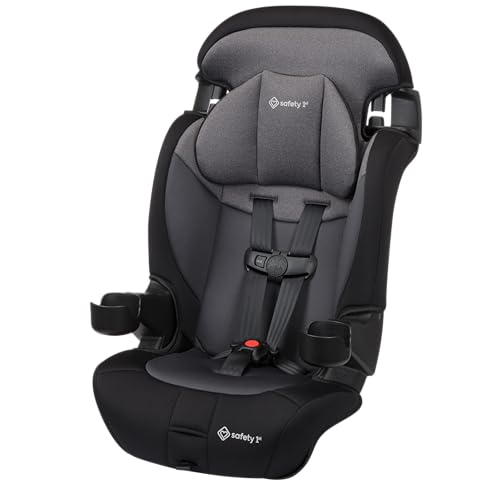
Booster Seats
For children who have outgrown forward-facing seats (usually 40–80 lbs). Boosters position the vehicle’s seat belt correctly across the child’s lap and shoulder. There are high-back and backless options.
Price range: $40 – $200
All-in-One Seats
These 3-in-1 or 4-in-1 seats transition from rear-facing to forward-facing to booster. They offer the longest use (up to 120 lbs). Ideal for parents who want a single seat for the long haul.
Price range: $300 – $600+
Car Seat Safety: What Really Matters
NHTSA & AAP Recommendations: The National Highway Traffic Safety Administration (NHTSA) and American Academy of Pediatrics (AAP) both emphasize rear-facing as long as possible, proper installation, and using the LATCH system or seat belt correctly. Always register your car seat to receive recall notices.
Key safety features to look for:
- Side-impact protection – energy-absorbing foam and deep side wings.
- 5-point harness – must be adjustable and easy to tighten.
- Recline indicators – ensure correct angle for newborns.
- Anti-rebound bar – reduces movement during a crash.
- Easy-to-read level indicators – to confirm proper installation.
Remember: the safest car seat is one that is installed correctly and used properly every time. Take your car to a certified child passenger safety technician (CPST) for a check-up.
Installation Guide: LATCH vs. Seat Belt
Both LATCH and seat belt methods are safe when used correctly. LATCH is convenient but has weight limits (usually 65 lbs combined child+seat). Seat belts are recommended for heavier children. Always follow your car seat manual and vehicle owner’s manual.
- LATCH: Lower anchors and tethers for children. Easier to use, but not all vehicles have them.
- Seat Belt: Works in any car. Ensure the belt is locked and the seat moves less than 1 inch side-to-side.
- Tether strap: Use for forward-facing seats – it reduces head excursion by up to 6 inches.
If you’re unsure about installation, many local fire stations and hospitals offer free car seat inspections. You can also find instructional videos on the NHTSA website.
When to Transition to the Next Seat
- Infant → Convertible: When your baby exceeds the infant seat’s height or weight limit (or when the top of the head is less than 1 inch from the shell).
- Rear-facing → Forward-facing: Only after age 2, or when they exceed the rear-facing height/weight limit. Keep rear-facing as long as possible.
- Forward-facing → Booster: When they outgrow the forward-facing harness (usually 40–65 lbs). The child should be mature enough to sit properly in a booster.
- Booster → Seat Belt: When the child is at least 4’9″ (145 cm) and 8–12 years old, and the seat belt fits properly (lap belt on thighs, shoulder belt across the chest).
For a more detailed timeline, visit our comprehensive buying guides section.
Top Car Seat Brands to Consider
Some of the most trusted names in car seats include Graco, Chicco, Britax, Evenflo, Cybex, and Nuna. Each brand offers a range of models with unique features. When comparing, check for ease of installation, harness adjustability, fabric quality, and crash test ratings.
For budget-friendly options, see our budget picks that don’t compromise on safety. If you’re looking for premium features like rotating seats or sensor-safe technology, be prepared to invest more.
Also, if you’re preparing for a new baby, don’t forget to check out our newborn must-haves and registry checklist to ensure you have everything ready. And for travel, consider our guide on lightweight travel strollers that pair perfectly with infant car seats.
Pro tip: Buy car seats new, not second-hand. You cannot guarantee a used seat hasn’t been in a crash or isn’t expired (most seats expire 6–10 years from manufacture date).
More Car Seat Resources
- Rear-Facing Car Seat Guidelines
- Best Convertible Car Seats for Newborns
- Infant Rear-Facing Car Seat Safety
- High-Back Booster Seats vs. Backless
- Car Seats for 4-Year-Olds
- Car Seats for 5-Year-Olds
For more parenting tips, visit our Parenting & Development hub.