Infant Car Seat Guide: Safety, Types & Smart Buying
Choosing the right infant car seat is one of the most critical decisions you’ll make as a new parent. This guide walks you through rear‑facing safety, fit, budget, and top-rated features — so you can ride with confidence.
of parents say car seat safety is their #1 concern
common infant car seat types explained below
typical price range for quality infant seats
Why You Need a Dedicated Infant Car Seat
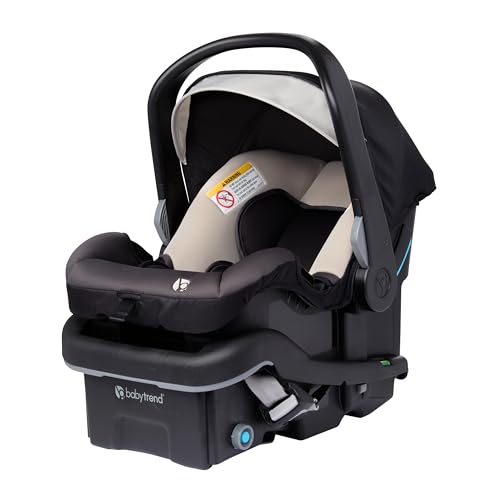
An infant car seat is specifically designed for babies from birth up to about 30–35 pounds (depending on the model). Unlike convertible seats, infant seats are rear‑facing only and come with a convenient carry handle, making it easy to move your sleeping baby from car to stroller or indoors. Most importantly, they provide the optimal ergonomic support for a newborn’s head, neck, and spine during the first critical months.
All infant car seats must meet strict federal safety standards, but features like side‑impact protection, adjustable headrests, and easy‑to‑tighten harnesses vary between models. Choosing a seat that fits your vehicle and lifestyle is just as important as safety ratings.
Types of Infant Car Seats
✅ Standard Infant Seat
Best for: Everyday use, easy transfers.
Weight: 4–35 lbs | Price: $150–$350
Comes with a base that stays in the car and a carrier that clicks in/out. Most parents start with this type.
✅ Travel System
Best for: On‑the‑go families.
Weight: 4–35 lbs | Price: $250–$550
Includes an infant seat + compatible stroller frame. One‑click attachment makes errands and walks effortless.
✅ Lightweight / Compact
Best for: Frequent travelers or small cars.
Weight: 4–30 lbs | Price: $120–$280
Slimmer design with a lighter carrier, but may have fewer extra features. Ideal for city dwellers.
✅ Multi‑mode (3‑in‑1)
Best for: Parents who want longevity.
Weight: 4–40 lbs | Price: $300–$500
Converts from infant seat to toddler seat and even booster later. Check the weight limits carefully.
What to Look For in an Infant Car Seat
- 🔹 Rear‑facing only: Never turn your infant forward‑facing before they reach the maximum weight/height of the seat (usually 2+ years).
- 🔹 Easy‑adjust harness: A no‑rethread harness saves time and ensures proper fit as your baby grows.
- 🔹 Side‑impact protection: Look for energy‑absorbing foam and deep side wings for head protection.
- 🔹 Base with level indicator: Helps you install the seat at the correct recline angle (critical for airway safety).
- 🔹 Machine‑washable cover: Trust us, you’ll appreciate this after the first diaper blowout.
Installation & Fit Tips
A 2023 study showed that nearly 46% of car seats are installed incorrectly. To avoid that, always read your vehicle’s manual and the car seat instructions. Use the LATCH system or seat belt (both are equally safe when used correctly). Many fire stations and certified child passenger safety technicians offer free installation checks – take advantage of that.
The pinch test is a simple way to check harness tightness: if you can pinch the strap horizontally at the shoulder, it’s too loose. The chest clip should be at armpit level, not on the belly.
Budget vs. Premium: Where to Spend
Infant car seats range from $120 to over $550. Higher‑priced models often offer better side‑impact protection, premium fabrics, and easier installation (e.g., click‑tight technology). However, many mid‑priced seats ($200–$350) score top marks in safety tests. The key is to choose a seat that fits your car and your baby well – a $500 seat that doesn’t fit your vehicle is less safe than a $180 seat that does.
Also, consider expiration dates – most seats expire 6–10 years from manufacture. Avoid buying used unless you know its full history (no crashes, recalls, or missing parts).
Expert‑Recommended Infant Car Seats
Based on safety ratings, ease of use, and parent reviews, here are three solid choices (prices are approximate):
- Chicco KeyFit 30 – Consistently top‑rated, easy install, fits most vehicles. ~$200
- Graco SnugRide SnugLock 35 – Great value, SnugLock technology for hassle‑free installation. ~$180
- Nuna PIPA urbn – Premium, lightweight, no‑base installation option, luxurious fabric. ~$350
Remember: the safest seat is the one that is installed correctly and used properly every time.
When to Move to a Convertible Seat
Most infants outgrow their infant seat by 12–18 months, when they reach the maximum height or weight limit (check your seat’s manual). At that point, you’ll transition to a convertible car seat that stays rear‑facing as long as possible (ideally until age 2 or more). Some parents also keep a booster seat in mind for the long run, but that’s years away.
Ready to choose your infant car seat?
Browse the recommended infant car seats below – each one has been selected for safety, comfort, and value. Click through to check current prices and read real parent reviews.