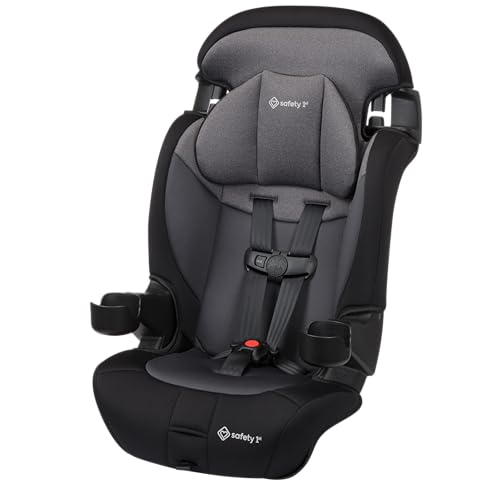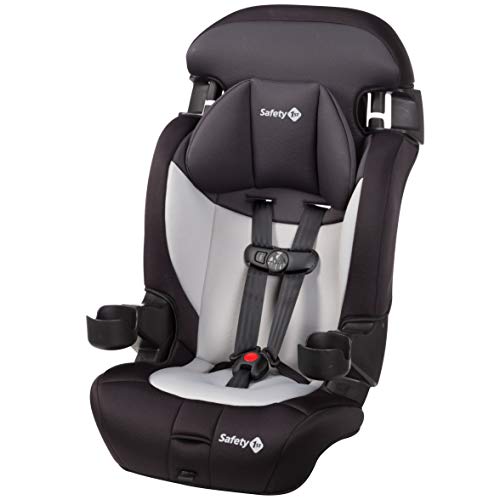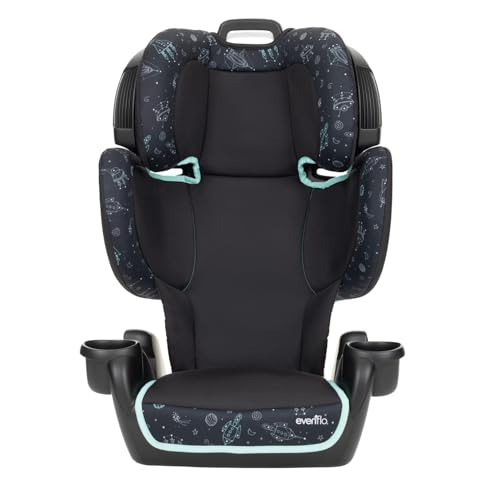
At age four, children are typically ready to transition from a forward‑facing harness seat to a belt‑positioning booster seat or a convertible car seat that accommodates higher weight limits. However, every child develops differently, so it’s crucial to consider your child’s height, weight, and maturity before making a switch. This guide explains the best car seats for 4‑year‑olds, including high‑back boosters, all‑in‑one seats, and forward‑facing harness options.
Many parents wonder whether a high‑back booster seat or a backless booster is better. High‑back boosters provide head and neck support, especially in vehicles without adjustable headrests, making them a safer choice for most 4‑year‑olds. A belt‑positioning booster ensures the vehicle’s lap and shoulder belt fit correctly across the child’s stronger bony structures, reducing injury risk in a crash.
Types of Car Seats for 4‑Year‑Olds
High‑Back Booster Seats
Designed to position the seat belt correctly across the shoulder and lap. Provides head and side‑impact protection.
$80 – $200+- Ideal for vehicles without headrests
- Offers better sleep support
- Most models fit 30–100+ lb
Convertible Car Seats
These seats can be used rear‑facing (for younger children) then forward‑facing with a harness, and some convert to boosters.
$150 – $450- Extended harness use up to 65 lb
- Often have higher height limits
- All‑in‑one models can last through booster stage
All‑in‑One (3‑in‑1)
From rear‑facing infant to forward‑facing harness to belt‑positioning booster, these seats grow with your child.
$200 – $500- One seat for years of use
- Harness weight limits up to 65–90 lb
- Convenient but bulky in some vehicles
Forward‑Facing Harness Seats
Specifically designed for forward‑facing use with a 5‑point harness, often with higher weight capacities.
$120 – $300- Keeps child securely harnessed
- Usually has steel frame and energy‑absorbing foam
- Good for tall or heavy 4‑year‑olds
What to Look For in a Car Seat for a 4‑Year‑Old
When shopping for a car seat for your 4‑year‑old, prioritize these key safety and convenience features:
- Weight and Height Limits: Ensure the seat accommodates your child’s current weight and height, and allows room to grow. Look for harnesses that fit up to 65 lb or more.
- Side Impact Protection: Seats with deep side wings and energy‑absorbing foam provide extra safety in side collisions.
- LATCH System: Makes installation easier and more secure. Many seats also allow seat belt installation.
- Ease of Use: Look for clearly marked belt paths, easy‑to‑adjust headrests and harnesses, and simple recline adjustments.
- Harness System: A no‑rethread harness saves time—you can adjust the height without disassembling the seat.
- Materials & Care: Removable, machine‑washable covers are a lifesaver for messy kids.
For even more detailed safety checks, browse our buying guides section, where we break down the latest standards and installation tips.
When Should a 4‑Year‑Old Use a Booster Seat?
Most experts recommend keeping a child in a harnessed car seat as long as possible. A 4‑year‑old should only move to a booster when they have outgrown the forward‑facing harness by weight or height. Typically, children reach booster readiness at around 40–50 lb and are mature enough to sit properly for the entire ride.
If your child is very tall, you may want to consider a convertible car seat with high harness slots or a dedicated forward‑facing seat. Always check the seat’s manual for specific limits. For children who are still within the weight limits of their current seat, there is no rush to switch to a booster—safety comes first.
Installation & Safety Checklist
Proper installation is just as important as choosing the right seat. Follow these steps for a secure fit:
- Read both manuals: Your vehicle’s owner manual and the car seat’s manual are your best guides.
- Use the LATCH system if your vehicle supports it and your child is within the weight limit (usually 65 lb combined child + seat).
- Check the recline angle: A level base ensures the seat is safe and comfortable.
- Perform the “pinch test”: Once installed, the seat should not move more than one inch side‑to‑side or front‑to‑back at the belt path.
- Adjust the harness: The straps should be at or just above your child’s shoulders for forward‑facing. The chest clip should be at armpit level.
If you’re unsure about installation, many local fire stations or car seat technicians offer free checks. You can also find helpful videos online. Our car seat resource page provides additional guidance.
Top Car Seat Picks for 4‑Year‑Olds
Based on safety ratings, ease of use, and parent reviews, the following car seats are among the best for 4‑year‑olds. They offer extended harnessing, high‑weight limits, and excellent side‑impact protection.
- Graco 4Ever DLX – All‑in‑one with 10‑position headrest, harness up to 65 lb, and easy‑to‑clean cover. (≈ $300)
- Chicco MyFit – High‑back booster that converts to backless. Steel frame, 5‑point harness up to 65 lb. (≈ $220)
- Britax Boulevard ClickTight – Outstanding safety features, including SafeCell impact protection. Harness up to 65 lb. (≈ $350)
- Evenflo EveryStage – All‑in‑one with harness up to 65 lb and belt‑positioning booster mode. (≈ $280)
- Diono Radian 3R – Slim design, steel frame, harness up to 65 lb, and folds for travel. (≈ $270)
For a broader selection, check the recommended products below. All items are sourced from reputable retailers and meet federal safety standards.
FAQs About Car Seats for 4‑Year‑Olds
Can a 4‑year‑old sit in a backless booster?
While some 4‑year‑olds may fit in a backless booster, high‑back boosters provide better head and neck support, especially in vehicles without side airbags. Most safety experts recommend high‑back boosters for younger children.
When should I switch from harness to booster?
Switch when your child exceeds the height or weight limit of the forward‑facing harness. Typically, this is around 50‑65 lb. Until then, keep using the harness—it’s safer.
Are expensive car seats safer?
All car seats sold in the U.S. must meet federal safety standards. More expensive models often have extra features (e.g., steel frames, better padding, easier installation), but a correctly installed budget seat is just as safe as a premium one.
How do I clean my car seat?
Most seats have removable, machine‑washable covers. Check your manual before using harsh chemicals. Spot‑clean with mild soap and water when possible.
Do I need to replace the car seat after a crash?
Yes, if the crash was moderate to severe, the seat should be replaced. Check the National Highway Traffic Safety Administration (NHTSA) guidelines for specific instructions.
For more parenting and safety resources, explore our Parenting & Development section, where we cover everything from newborn sleep to sleep training methods.
💡 Final advice: Take your 4‑year‑old with you when shopping (or use the seat’s weight/height guidelines). Their comfort and safety are paramount. Always read the seat’s manual thoroughly and register your seat with the manufacturer for recall notifications.