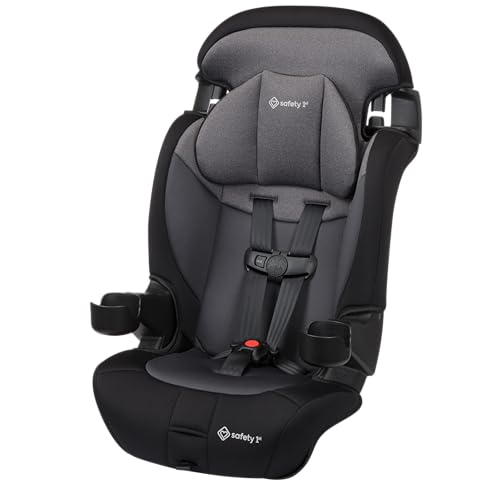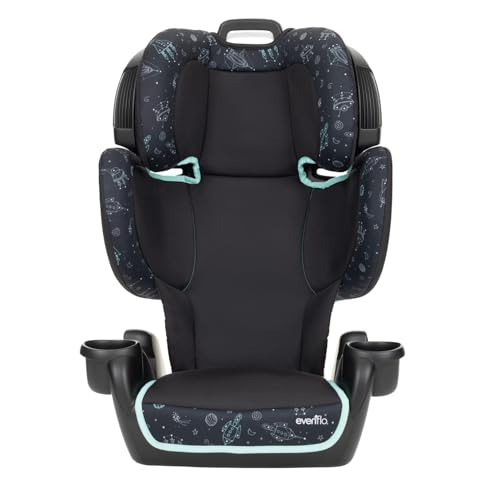
Car Seats for 5 Year Olds
Find the safest and most comfortable car seat or booster for your growing child. Expert advice on harnesses, boosters, and legal requirements.
At age five, children are typically ready to transition from a forward-facing car seat with a 5-point harness to a booster seat, but the right choice depends on their size, weight, and maturity. This guide covers everything you need to know about car seats for 5 year olds, including types, safety ratings, installation tips, and our top recommendations.
Key Fact: According to the American Academy of Pediatrics (AAP), children should remain in a 5-point harness car seat for as long as possible, until they reach the maximum height or weight limit of the seat, before moving to a booster.
Types of Car Seats for 5-Year-Olds
There are two primary options for 5-year-olds: a forward-facing car seat with a 5-point harness and a booster seat (high-back or backless). Each has its benefits and ideal use cases.
Forward-Facing 5-Point Harness
Best for children who have not yet reached the height/weight limit of their car seat. Offers maximum protection with a 5-point harness system.
- Weight range: Typically 22–65 lbs
- Height range: Up to 49 inches
- Pros: Superior side-impact protection, adjustable harness, suitable for children with special needs.
- Cons: Bulkier, can be more expensive, harder to install.
Price range: $150–$350
High-Back Booster Seat
Designed for children who have outgrown their forward-facing harness. Uses the vehicle's seat belt to secure the child while providing head and neck support.
- Weight range: 30–100 lbs
- Height range: 38–57 inches
- Pros: Better seat belt positioning, head support for sleeping, lightweight, easy to move between cars.
- Cons: No built-in harness, requires mature child to sit properly.
Price range: $50–$200
For most 5-year-olds, a high-back booster is the recommended choice if they have outgrown their harness seat. However, if your child is small for their age, keep them in a 5-point harness as long as possible. Always check the seat's label for specific height and weight limits.
What to Look for in a Car Seat for a 5-Year-Old
When shopping for a car seat for your 5-year-old, consider these essential features to ensure safety, comfort, and ease of use.
- Weight and Height Limits: Ensure the seat accommodates your child's current size and allows room to grow. A seat with a higher weight limit (e.g., 65 lbs for harness, 100 lbs for booster) offers longer use.
- Side-Impact Protection: Look for seats with energy-absorbing foam, deep side wings, and adjustable headrests to reduce injury risk in a crash.
- Installation System: LATCH (Lower Anchors and Tethers for Children) or seat belt installation – both are safe, but some seats are easier to install correctly than others. Check for clear instructions and indicators.
- Comfort and Adjustability: Padded armrests, recline options, and adjustable headrests improve your child's comfort, especially on long trips.
- Ease of Cleaning: Removable, machine-washable covers are a lifesaver for busy parents.
For more detailed information on child passenger safety, visit our Car Seat guide and Booster Seat resources.
Safety Ratings and Legal Requirements
All car seats sold in the US must meet Federal Motor Vehicle Safety Standard (FMVSS) 213. Additionally, many seats are tested by third-party organizations like the Insurance Institute for Highway Safety (IIHS) for ease of use and performance.
Legal Requirements: Most states require children under 8 years old or under 4'9" to be in a child restraint system. However, the Car Seats guide recommends keeping your child in a booster until they are at least 4'9" tall and 8–12 years old, even if state law says otherwise.
Pro Tip: The National Highway Traffic Safety Administration (NHTSA) offers a car seat finder tool to help you choose the right seat based on your child's age, height, and weight. Always register your seat to receive recall notifications.
Installation and Usage Tips
Proper installation is critical for car seat effectiveness. Here are some expert tips for installing your 5-year-old's car seat:
- Read Both Manuals: Always read the car seat manual and your vehicle's owner manual for installation instructions.
- Use the Tether: For forward-facing harness seats, always use the top tether to reduce head movement in a crash.
- Check the Angle: The seat should be at the correct recline angle – too upright or too reclined can affect safety.
- Test for Tightness: The seat should not move more than 1 inch side-to-side or front-to-back at the belt path.
- Position the Seat Belt Correctly: For booster seats, the lap belt must lie flat across the upper thighs (not the stomach), and the shoulder belt should cross the center of the shoulder and chest.
If you are unsure about installation, many local fire stations and police departments offer free car seat inspection services. You can also find help at Daycare Centers or community health clinics.
Top Recommended Car Seats for 5-Year-Olds
Based on safety ratings, ease of use, and parent reviews, here are some of the best car seats for 5-year-olds on the market today.
| Product Name | Type | Weight Range | Price (approx.) |
|---|---|---|---|
| Graco Highback Booster | High-Back Booster | 30–100 lbs | $120 |
| Britax Forward-Facing Harness | 5-Point Harness | 22–65 lbs | $280 |
| Chicco MyFit Harness+Booster | Harness & Booster | 25–100 lbs | $250 |
| Evenflo Booster | High-Back Booster | 40–100 lbs | $80 |
These products are available through various retailers. For more options, check out our Buying Guides and Baby Gear section.
When to Transition from a Harness to a Booster
Every child is different, but there are clear signs that your 5-year-old is ready to move from a 5-point harness to a booster seat.
- Maximum Height/Weight Reached: Your child has outgrown the forward-facing harness limits (typically 49–65 lbs or 49 inches).
- Shoulder Height Exceeds Harness Slots: The harness straps are at or below the child's shoulders, and the top slots are above.
- Maturity: Your child can sit properly for the entire ride without slouching, leaning out of position, or playing with the seat belt.
If you are unsure, it is safer to keep your child in a harness until they reach the maximum limit. Check our guide on Convertible Car Seats for more information on multi-stage seats.
Common Mistakes Parents Make
Even well-intentioned parents can make mistakes that compromise car seat safety. Avoid these common pitfalls:
- Moving to a Booster Too Early: Many parents transition too soon. Keep your child in a 5-point harness as long as the seat allows.
- Loose Harness Straps: The harness should be snug – you should not be able to pinch any webbing at the collarbone.
- Improper Seat Belt Routing: For boosters, ensure the belt is positioned correctly across the lap and shoulder.
- Buying a Used Seat Without History: Never buy a used car seat unless you know its full history – it may have been in a crash or recalled.
For more tips on avoiding mistakes, read our article on Registry Mistakes, which includes general product selection advice.
Frequently Asked Questions
Can a 5-year-old ride in a backless booster?
Yes, if the vehicle has a headrest and the child is tall enough (usually over 40 lbs and 38 inches). However, a high-back booster offers better side-impact protection and head support, especially for sleeping.
How long should a 5-year-old stay in a booster?
Most experts recommend keeping a child in a booster until they are at least 4'9" tall, usually between 8 and 12 years old. Your 5-year-old should remain in a booster for several more years.
Is it safe to use a car seat that is more than 6 years old?
Most car seats expire after 6–10 years due to wear, tear, and changes in safety standards. Always check the expiration date on the seat label.
If you have more questions, explore our Parenting & Development section for additional resources.
Ready to Choose the Right Car Seat?
Browse our top-rated car seats for 5-year-olds and find the perfect fit for your child's safety and comfort.
View Recommended Products